Finding a face cream that truly nourishes your skin without weighing it down is an art as much as a science. This guide distills expert editorial insight into practical, elegant advice—how to read labels, match textures to your lifestyle and age, layer actives with confidence, and choose premium formulations that support hydrated, radiant skin.
Why a Dedicated Face Cream Matters After 30
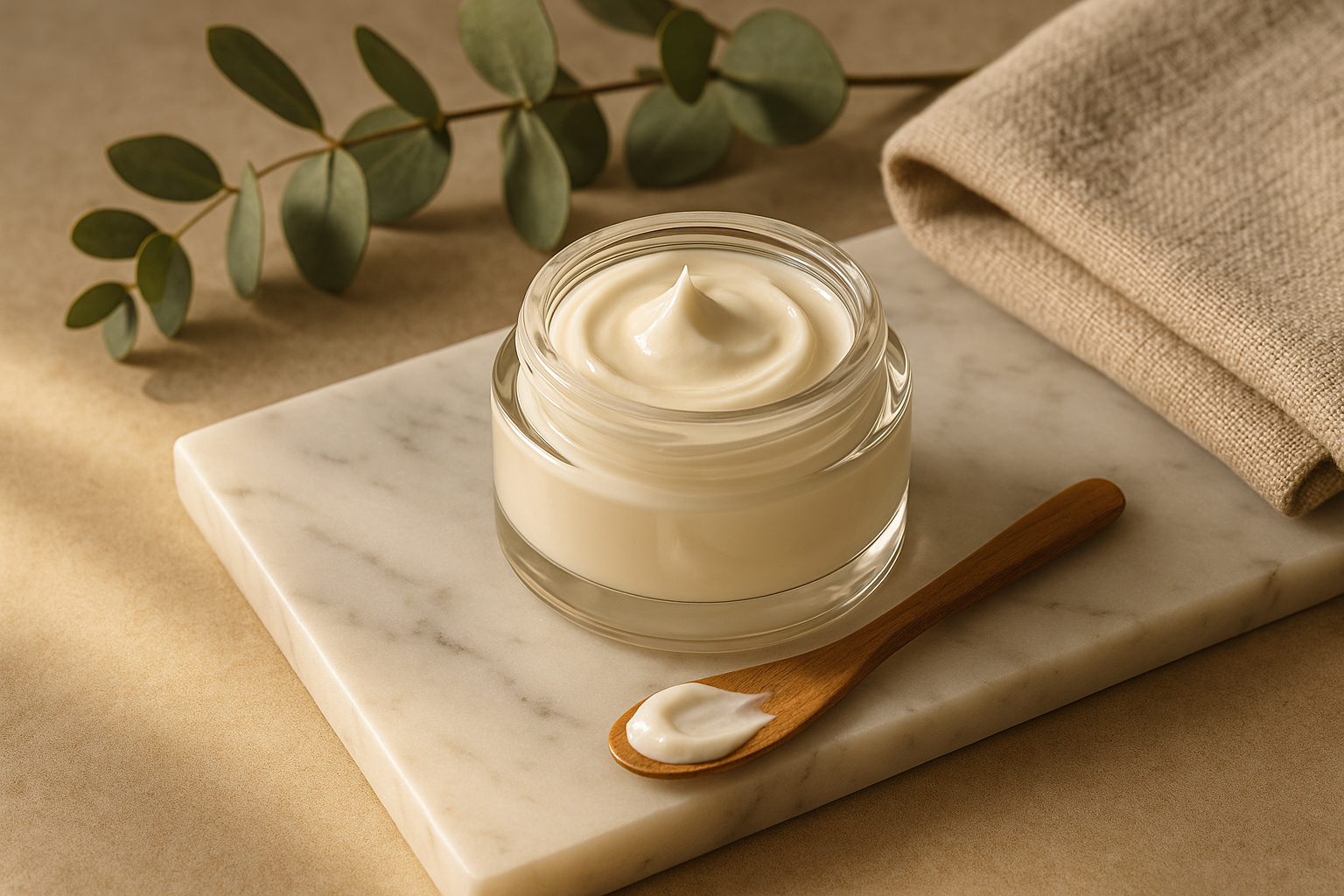
After 30, skin’s needs subtly shift: moisture retention, barrier resilience, and surface radiance become priorities alongside targeted concern management. A thoughtful face cream does more than hydrate; it replenishes lipids, smooths texture, and creates an even, luminous base for makeup or bare skin. Choose a formulation that supports your daily lifestyle—lightweight textures for active mornings, richer creams for restorative nights—and focus on products that strengthen the skin’s barrier and visibly brighten without harshness. This section explains the functional role of creams in a modern routine and why a single, well-chosen jar can streamline and elevate your skincare ritual.
Assessing Your Skin Type and Routine Needs
Identifying whether you have dry, combination, oily, or sensitive skin is the first step to selecting a face cream that performs. Consider seasonal shifts, how your skin responds to central heating or air conditioning, and common sensations like tightness, shine, or sensitivity. Match your cream to routine goals: daily hydration, pore refinement, gentle brightening, or nourishment for flaky areas. This practical assessment includes simple at-home checks (how your skin feels two hours after cleansing, where oil accumulates, and how quickly surface dryness returns) and guidance for tailoring a cream to daytime versus nighttime rituals.
Key Ingredients to Seek — Elegant, Evidence-Inspired Choices
Look for ingredients known to support hydration and surface radiance while maintaining a refined sensorial experience. Humectants like hyaluronic acid attract moisture; glycerin and propanediol lend long-lasting softness. Barrier-supporting lipids—squalane, ceramides, lightweight oils—help seal hydration without heaviness. Gentle actives such as vitamin C derivatives, niacinamide, and polyhydroxy acids can brighten and refine texture when formulated at skin-friendly concentrations. Antioxidant-rich botanical extracts and peptides add luxurious finishing touches. This section refrains from medical claims but clarifies the typical role each ingredient plays in a premium cream.
Choosing the Right Texture and Formulation
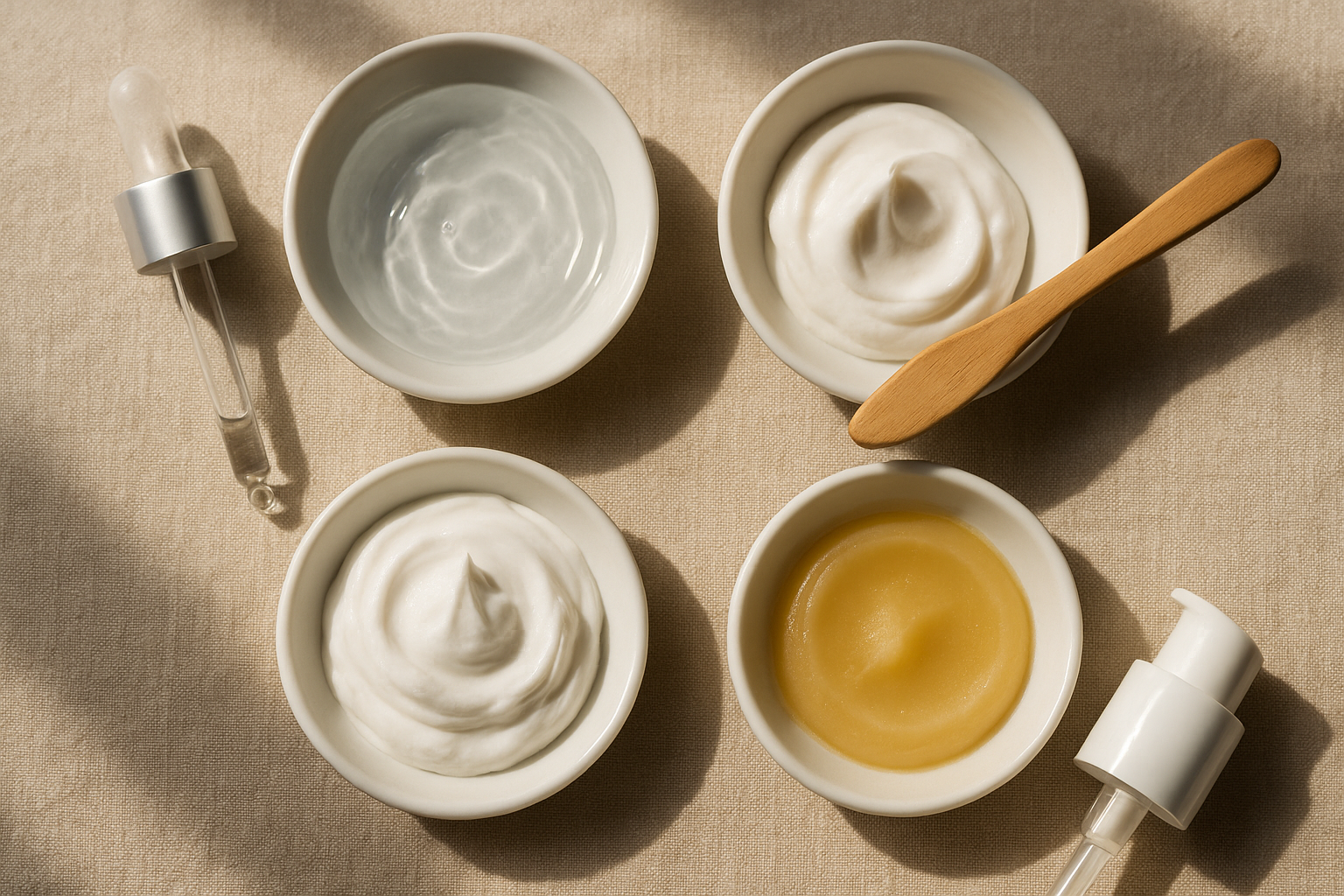
Texture shapes the feel and function of a cream: gels and gel-creams for oily or combination skin, lightweight emulsions for normal skin, and richer creams or balms for dry winter months or nighttime repair. Consider formulation details such as fragrance-free options for sensitivity, non-comedogenic labels for pore-prone skin, and water-free balms when intense occlusion is desired. We also cover elegant packaging—airless pumps that minimise contamination, recyclable glass jars, and refill options that align with a premium sensibility. Practical examples help you match texture to climate, age, and skin rhythm.
How to Layer Face Creams with Serums and Treatments
Layering is where a routine becomes tailored: lightweight serums deliver actives deeply, and creams lock in moisture and create a comfortable finish. Apply from thinnest to thickest: serums or essences first, targeted treatments next, then your chosen cream. For mornings, follow with sunscreen. At night, richer creams pair well with single-ingredient oils or sleeping balms for added renewal. This section offers a clear, step-by-step ritual for morning and evening with timing, product order, and simple compatibility tips to avoid pilling or irritation.
Application Technique: Small Rituals That Make a Difference
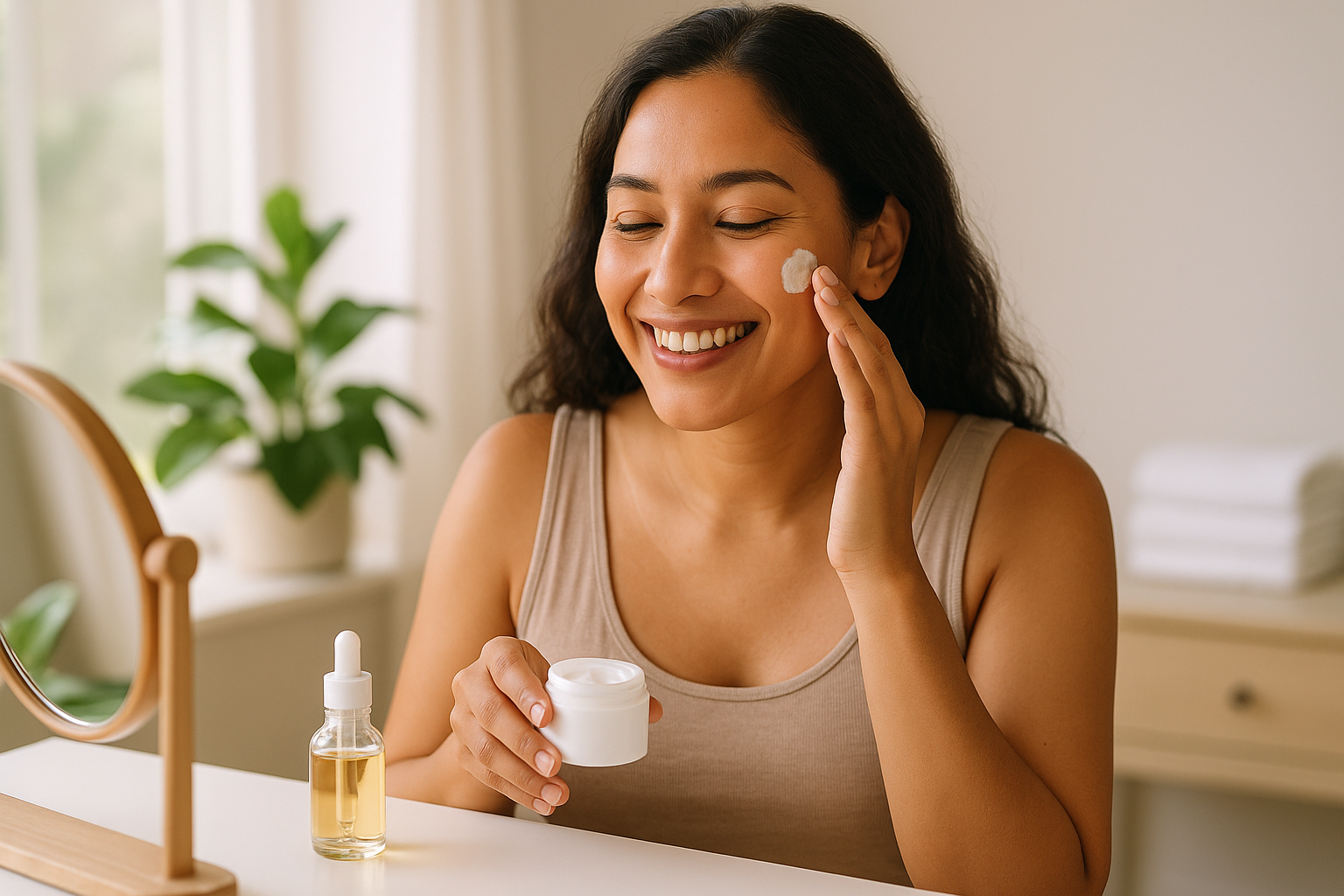
The way you apply cream affects absorption and results. Warm a pea-sized amount between clean fingertips and press gently into the face—cheeks, forehead, nose, and chin—rather than rubbing aggressively. Use upward, outward motions and finish with light pressing across the jawline and neck. For delicate under-eye areas, choose a dedicated eye cream and tap gently using the ring finger. Incorporate a few moments of mindful breathing to make this step feel restorative rather than routine. These tactile habits enhance product performance and elevate daily self-care.
Sustainable and Luxurious: Packaging and Ethical Considerations
Premium skincare increasingly pairs efficacy with sustainability. Seek brands that use refillable formats, recyclable materials, or responsible sourcing statements. Minimalist packaging that protects sensitive formulas—dark glass for light-sensitive actives, airless pumps for preservatives reduction—can indicate thoughtful design. We outline questions to ask when evaluating a brand’s environmental and ethical claims and suggest how to weigh sensorial luxury against a brand’s transparency and lifecycle impact.
Shopping Guide: How to Trial, Compare, and Commit
Sampling strategies help you find the right cream without commitment: request sachets or travel sizes, read fine-print ingredient lists, and monitor skin response for two to three weeks. Compare textures side by side if possible—apply small amounts on the back of the hand to appraise absorption, finish, and scent. Consider seasonal rotation rather than one-size-fits-all purchases and allocate budget to products you’ll use daily. This practical shopping guide includes tips for reading reviews critically, using professional consultations, and prioritising formulations that complement—not complicate—your existing routine.
Routine Inspiration: Day and Night Rituals for 30–50 Skin
Curated routines provide a starting point: morning ritual—gentle cleanser, antioxidant serum, lightweight hydrating cream, and SPF; evening ritual—cleanse, resurfacing or reparative serum (as tolerated), richer cream or nourishing oil, and targeted eye care. We offer three concise templates tailored for combination, dry-mature, and sensitive skin, each mindful of active compatibility and layering. Use these as adaptable blueprints, swapping textures and actives according to season and personal preference.
Final Notes: Investing in a Cream That Fits Your Life
Choosing a face cream is both practical and personal. Prioritise formulations that feel pleasurable to use—texture, scent, and ritual matter—and align with your skin’s changing needs. A carefully selected cream should simplify your routine, support hydrated, glowing skin, and be flexible enough to adapt across months and years. End with confidence: gradual improvements, consistent care, and thoughtful selection are the most reliable path to a radiant complexion.
Frequently Asked Questions
How often should I change my face cream?
Change your face cream when your skin’s needs evolve—seasonal shifts, hormonal changes, or a move in climate are common triggers. If a product no longer hydrates, feels heavy, or irritates, consider switching. Otherwise, allow at least four to eight weeks to assess a product’s effect before making a judgement.
Can I use the same cream morning and night?
You can use the same cream both morning and night if the texture and ingredients suit both uses. Often, people prefer a lighter formulation during the day and a richer cream or an oil at night for extra nourishment. Adjust based on comfort, absorption, and how your skin responds.
What should I avoid in a premium face cream if I have sensitive skin?
For sensitive skin, look for creams without unnecessary fragrances, high concentrations of strong acids, or known irritants like denatured alcohol. Seek gentle humectants and barrier-supporting lipids, and patch-test new products on a small area before full-face use.
Are oil-free creams better for combination skin?
Not necessarily. Combination skin often benefits from a lightweight, non-comedogenic cream that balances hydration without excess oil. Oil-free formulations can work well, but some lightweight oils like squalane provide balancing hydration without clogging pores.
How do I choose between a cream and a balm?
Choose a cream for daily moisture with a lighter finish; select a balm when you need occlusive protection and intensive nourishment, such as during dry winter months or for very dry patches. Balms are usually best reserved for targeted use or nighttime application.
Final Thoughts
Discover our editor-curated selection of premium face creams—try a travel size or sample kit to find the perfect match for your skin and routine.