Choosing a luxury serum should feel less like guesswork and more like a small, considered ritual: a formula selected for your skin’s needs, preferences and routine. This guide walks you through identifying your skin type, decoding ingredient labels for hydration, brightening and age‑focused benefits, and making a confident, indulgent purchase that fits both skin and lifestyle.
See the featured skincare pick
Why a luxury serum matters
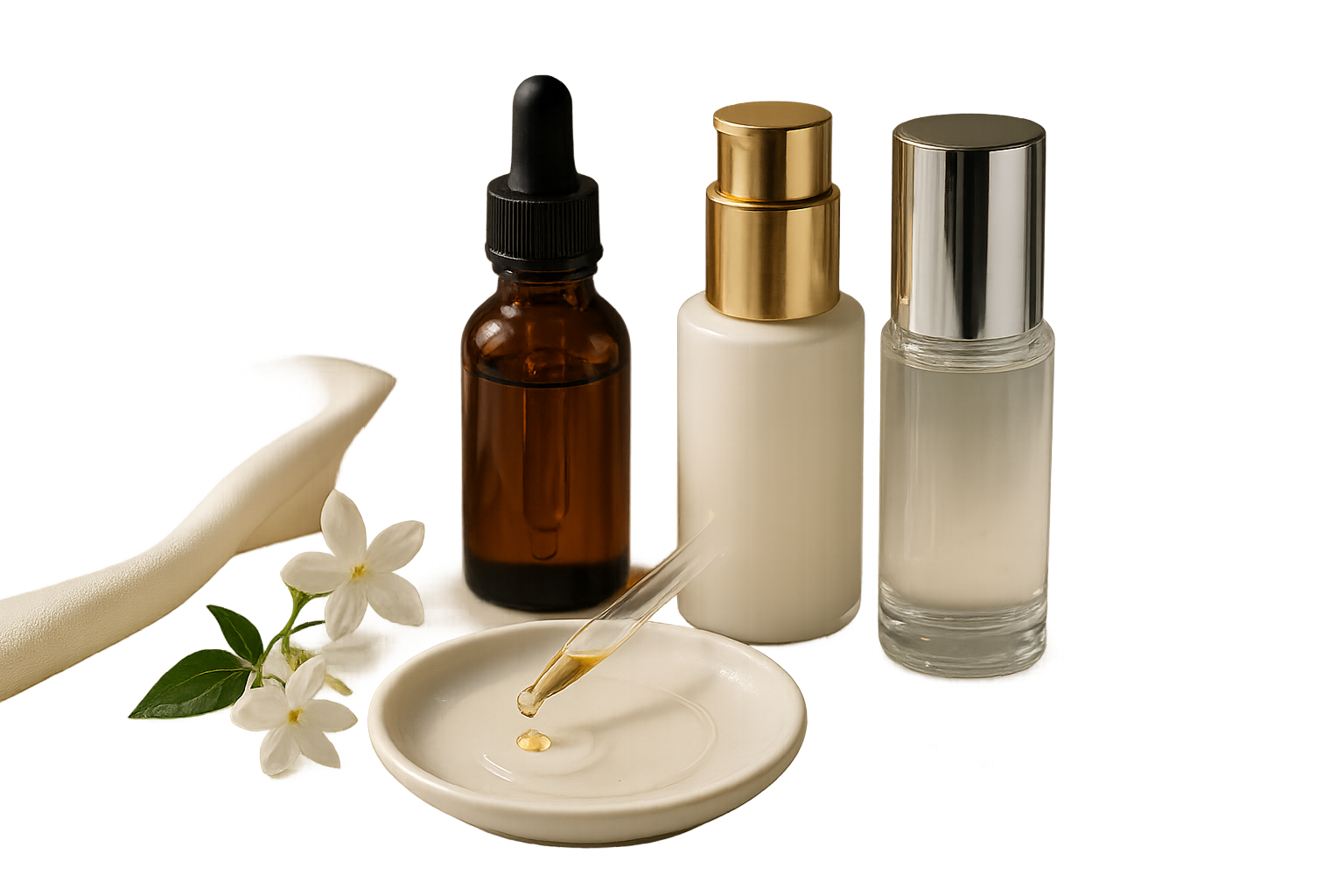
A serum concentrates advanced actives and refined textures so you can target a specific concern—more luminous skin, plumped hydration, or a firmer-looking surface—without overburdening the routine. Luxury serums often prioritise higher-purity actives, stable packaging and silkier textures that enhance ritual and efficacy in daily use. Choosing a formula that aligns with your skin type and lifestyle makes the investment feel purposeful: think of a serum as a precision tool within your bedside cabinet rather than an extra step.
Identify your skin type: a simple at‑home assessment
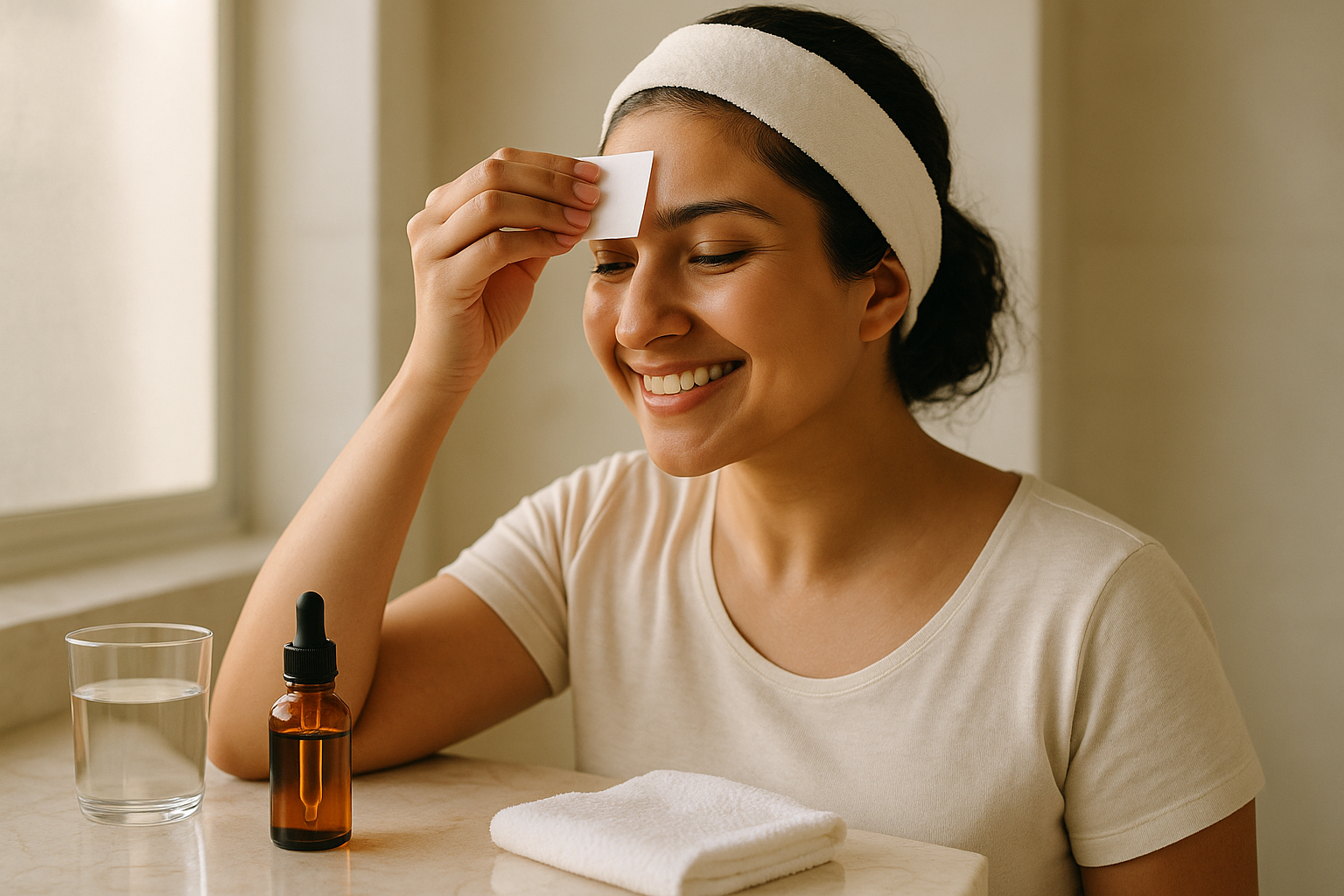
Before you fall for pretty packaging, spend five minutes assessing how your skin behaves through the day. Cleanse with a gentle, fragrance‑free cleanser and wait one hour without applying products. Observe and note the following: (1) shine concentrated on the T‑zone suggests combination to oily; (2) a tight or flaky feeling after an hour suggests dry; (3) normal skin feels balanced, neither dry nor overly shiny; (4) redness, stinging or visible irritation points to sensitive tendencies. You can also blot gently with tissue—a visibly oily tissue indicates oilier skin. These observations will steer you toward hydration boosters, lightweight antioxidant serums, or gentler, calming formulations.
Check the product details here
Match your goals to ingredients (hydration, brightening, age‑focused)
Luxury serums vary by active profile. For hydration, look for humectants like hyaluronic acid (including multi‑molecular weights), glycerin and lightweight emollients like squalane that give a silky finish. Brightening-focused serums commonly feature stable vitamin C derivatives, niacinamide and gentle exfoliating acids (low‑percentage AHAs) paired with antioxidants. For a refined, age‑attentive approach, search for peptides, bakuchiol as a milder alternative to retinoids, and antioxidant complexes that support a more even-looking surface. The finer points: choose a stable form of vitamin C for daytime radiance, prefer lower concentrations of acids if you are new to them, and prioritise formulations that combine complementary ingredients rather than layering many active serums at once.
Textures, packaging and practical formulation cues
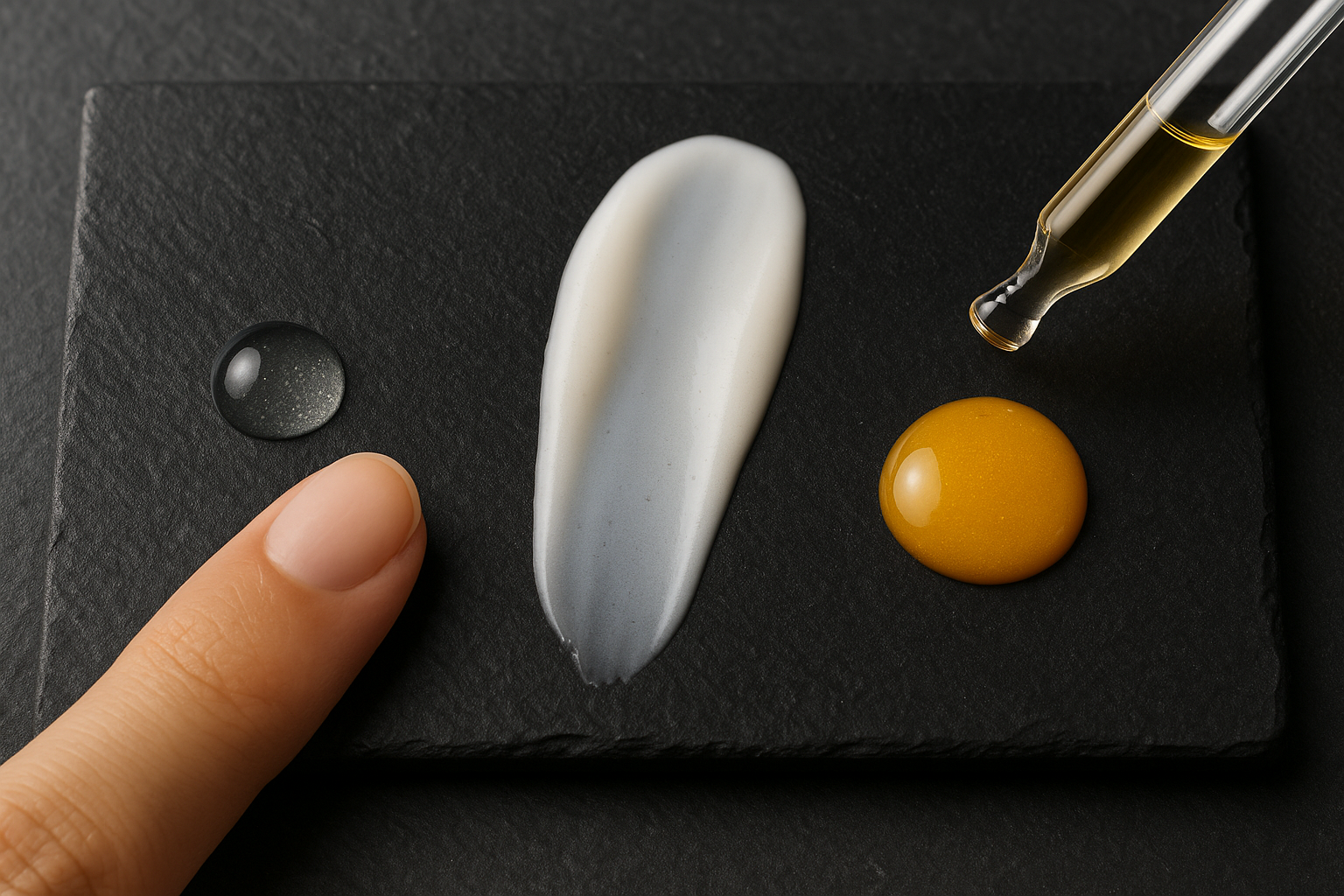
Texture matters as much as actives when choosing a luxury serum: lightweight, watery serums absorb quickly and suit oilier or combination skin; gel‑cremes and lightweight oils work well for drier skin types and offer a sensorial finish. Packaging is a practical indicator of quality—airless pumps or opaque dropper bottles protect light- and air-sensitive ingredients like vitamin C. Look at the ingredient list near the top for the active you care about; avoid long lists of unnecessary fragrances or heavy botanical extracts if you have reactive skin. Finally, check for stability cues: vitamin C mentions L‑ascorbic acid or stable derivatives, and AHAs should indicate percentage if it’s a key selling point.
How to layer serums in your morning and evening ritual
Order of application enhances performance. As a rule, apply thinnest to thickest: start with watery serums (antioxidants, hydrating hyaluronic boosters), then move to thicker emulsions, then oils and creams. In the morning, pair a lightweight antioxidant or hydrator with a broad-spectrum sunscreen (your SPF is non‑negotiable for everyday protection and to preserve results). At night, consider a restorative serum—peptides or bakuchiol for a gentler night focus—followed by a richer cream if needed. When pairing actives, allow a brief pause between layers so each formula can absorb; three to five minutes is usually sufficient for most serums.
Patch testing, sensitivity and introducing actives
Luxury should never mean discomfort. Always patch test a new serum on the underside of the jaw or behind the ear for 48 hours before integrating it into your face routine. Introduce potent actives gradually—start every third night for two weeks, then increase frequency if no irritation appears. If you notice persistent redness, stinging, or unusual scaling, pause use and reintroduce more slowly or opt for a gentler formulation. Fragrance‑free, dermatologist‑tested labels can be helpful signposts, though ingredient lists remain the most reliable guide to tolerance.
Sampling, decants and when to splurge
A luxury price tag can reflect ingredient purity, research and upscale packaging. Instead of committing to full sizes, look for sample programs, travel sets or decant services offered by boutiques—these let you confirm texture, scent and tolerance without the investment. Splurge when a serum contains a unique, research-backed active you’ll use consistently and that complements your existing routine; save when a similar active can be layered from a less expensive hydrator or cream. Keep in mind return policies and reputable retailers when purchasing higher‑end formulas.
Application tips and the small rituals that elevate results
Apply serums to slightly damp skin to maximise humectant performance and use gentle, upward strokes. A single pipette or two pea-sized pumps is often sufficient; overapplication can lead to pilling under subsequent layers. Consider incorporating a light gua sha or a few minutes of facial massage to boost circulation—choose clean hands and a compatible oil or cream for glide. Store active serums away from direct sunlight—cool, dark drawers preserve ingredient stability and the sensorial quality of your luxury formulas.
A concise shopping checklist before you buy
Before you add a serum to cart, run through this checklist: (1) Does the active profile address your primary concern—hydration, brightness, or firmness? (2) Is the texture compatible with your skin type and routine? (3) Is the packaging protective and does the ingredient list avoid unnecessary irritants? (4) Can you sample it or does the retailer offer a generous return policy? Use this checklist to make a calm, confident decision rather than chasing trends.
Final thoughts: choosing a serum that feels like an indulgence and a tool
A luxury serum should be both an effective addition to your skin routine and a small daily pleasure—textures that absorb cleanly, scents that are unobtrusive, and packaging that feels considered. Focus on what your skin needs, how a formula will fit into your morning or evening ritual, and whether you can realistically use it consistently. With a clear shortlist built from the steps above, shopping for a luxury serum becomes a mindful, rewarding experience rather than a gamble.
Frequently Asked Questions
Can I use more than one serum at a time?
Yes—layering can be effective when done thoughtfully. Apply thinnest to thickest, and introduce new actives one at a time to monitor tolerance. Avoid stacking multiple strong exfoliants or high‑strength actives simultaneously; instead, alternate them between mornings and evenings or between days.
How long before I notice visible changes from a new serum?
Timing varies by ingredient and concern. Hydration and surface luminosity can feel noticeable within days to a couple of weeks because of improved moisture balance. More gradual changes—like smoothing of texture or a perceived increase in firmness—often take several weeks to a few months of consistent use. Regular, patient use paired with sensible sun protection helps maintain results.
Is vitamin C safe for sensitive skin?
Many sensitive-skin formulas use stable, gentler derivatives of vitamin C or lower concentrations to minimise irritation. If you have sensitivity, look for products labelled for sensitive skin, perform a patch test, and start with a lower concentration or alternate use to build tolerance.
Are expensive serums always better than affordable options?
Price can reflect ingredient quality, concentration, and research, but not all high-cost products are inherently superior. Consider the active, formulation stability, and how the texture and packaging suit your routine. Sampling or reading independent reviews from trusted editorial sources can help determine whether the experience justifies the price.
Recommended Product
SK-II Facial Treatment Essence
We feature SK-II Facial Treatment Essence as this article’s curated Amazon affiliate pick—a luxury-market reference that aligns with the editorial tone and routine ideas above. It gives readers a specific, high-quality option to explore when they are ready to shop. If you purchase through our links, we may earn a commission at no additional cost to you.
Final Thoughts
Ready to refine your routine? Explore our editor’s recommended luxury serums and sample options to find the one that best complements your skin type and ritual.