If you’re in your 40s and navigating sensitivity alongside concerns like dehydrated, thinner-feeling skin, Japanese serums offer a refined balance of delicate textures and focused ingredients. This guide compares luxury-leaning, sensitive-friendly options, explains how to choose by formula and routine, and recommends precise buys so you can shop with confidence.
Explore a treatment-step serum worth a closer look
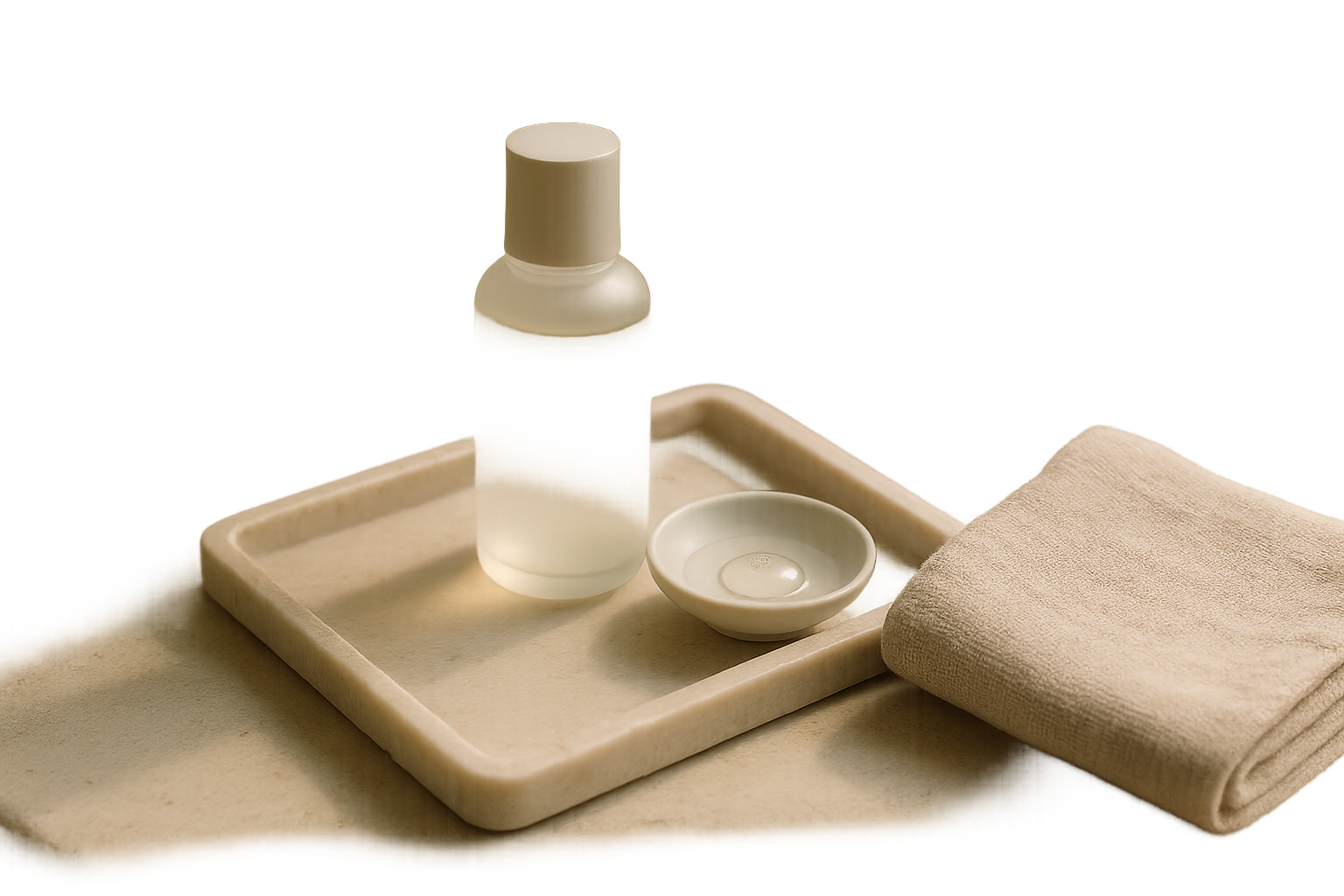
Why Japanese Serums Appeal to Sensitive 40s Skin
Japanese skincare often emphasizes minimalist, high-quality formulation and textures that prioritize comfort and wearability—qualities that resonate when skin is more reactive or drier in your 40s. Expect feather-light essences and serums built around hydration, barrier support and low-irritant delivery rather than heavy fragrance or aggressive actives. This section frames the category so you understand the typical trade-offs: gentle formulations may act more gradually than potent clinical serums, but they fit daily routines with less risk of disruption or sensitivity flare-ups.
Continue exploring · An editorial companion read: Best Luxury Serums for Deep Hydration and Glowing Skin: Top Picks for Dry and Dull Skin (Serum Edit)
How to Choose: What to Look for (and Avoid) in a Serum
Choose serums that balance effective actives with low-irritant bases. Look for: humectants like multiple-weight hyaluronic acids for layered hydration; ceramides and squalane for barrier support; anti-oxidant botanicals that are low-irritant (green tea, rice-derived extracts); and fragrance- and essential-oil-free labels. Avoid densely fragranced formulas, high-concentration acids (unless recommended by a professional), and heavy alcohols that can strip moisture. Consider texture and dispersibility: in your 40s a thin, easily absorbed serum pairs best with richer creams later in the routine. Finally, factor packaging—airless pumps and dark glass help preserve delicate ingredients and reduce contamination risk for sensitive skin.
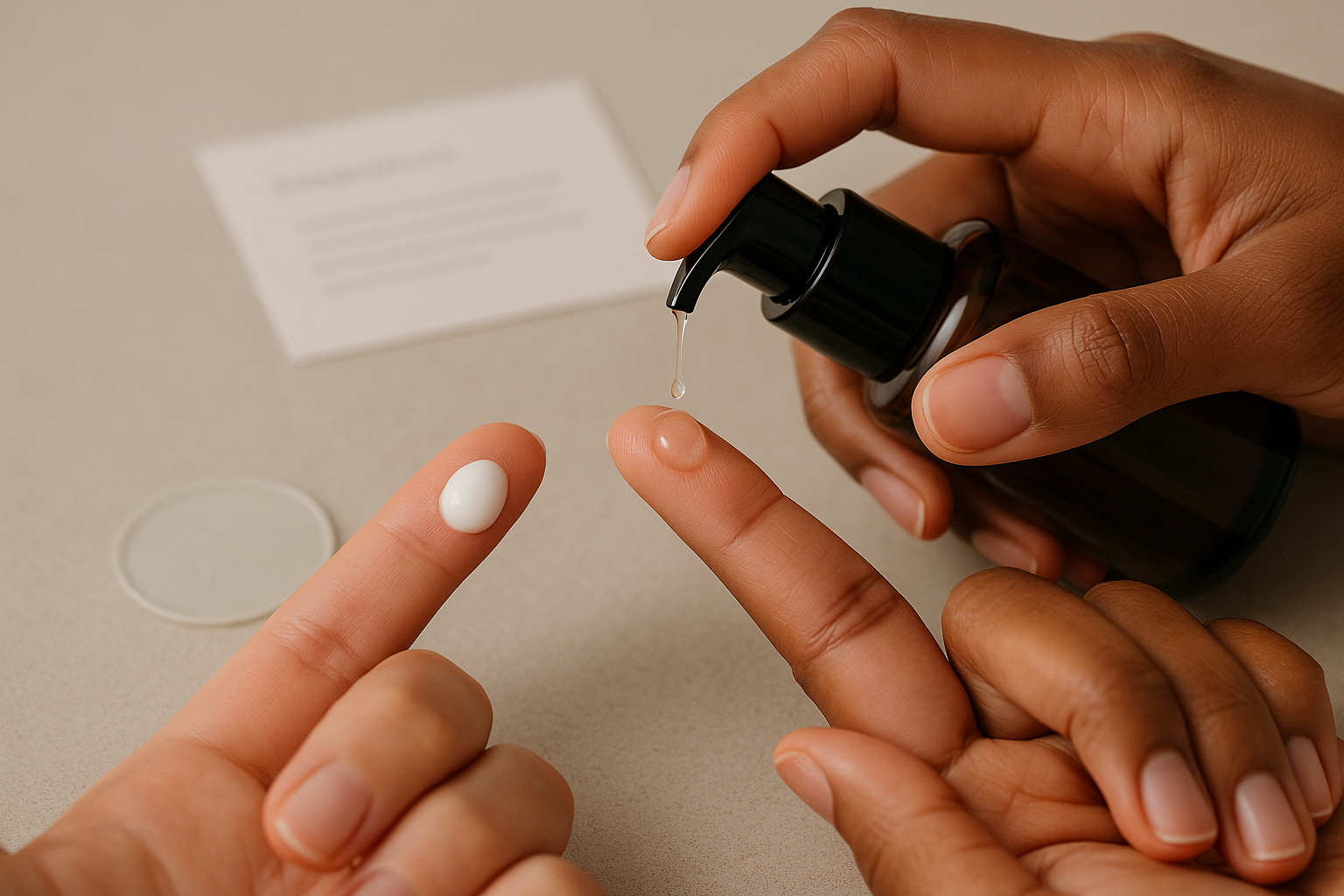
Compare textures and positioning across three serum picks
Key Ingredient Threads: Gentle Actives for Hydration, Barrier and Luminous Tone
Prioritize ingredients that support barrier and moisture first: multi-weight hyaluronic acid, glycerin, ceramides, and squalane. For gentle brightening and skin tone, low‑dose niacinamide and rice ferment extracts are common in Japanese formulations and are typically well tolerated. If you want mild resurfacing, look for low-strength enzyme or PHA formulations rather than high-strength AHA. When evaluating product labels, focus on concentration cues (listed early vs. later), presence of fragrance, and the supporting emollients—lighter esters and botanical oils are preferable to heavy mineral oils if you experience congestion.
Continue exploring · Continue exploring on-site: Best Luxury Japanese Serums for Radiant, Youthful-Looking Skin (Serum Edit)
Top Picks and Who They Suit — Trade-offs and How to Choose Between Them
This comparison frame helps you select by priority rather than brand cachet. Example picks: 1) Lightweight Hydrator (Hada Labo Gokujyun Premium) — best for barrier-hydration and layering under creams; very low irritation risk but limited in brightening actives. 2) Soothing Antioxidant Serum — best if you want a calming green-tea forward formula with mild antioxidant protection; trades off immediate plumping for calming benefits. 3) Barrier Repair Concentrate — thicker texture with ceramides and squalane; best at night or for drier patches, but may feel heavy in humid climates. 4) Gentle Brightening Lightweight Serum — includes low-dose niacinamide or rice-derived extracts; ideal if tone evening is a priority, but patch-test first if you are reactive. Compare by: primary goal (hydrate vs calm vs radiance), texture preference (watery vs silky vs balm), and climate or season (lighter textures for summer, richer for winter).
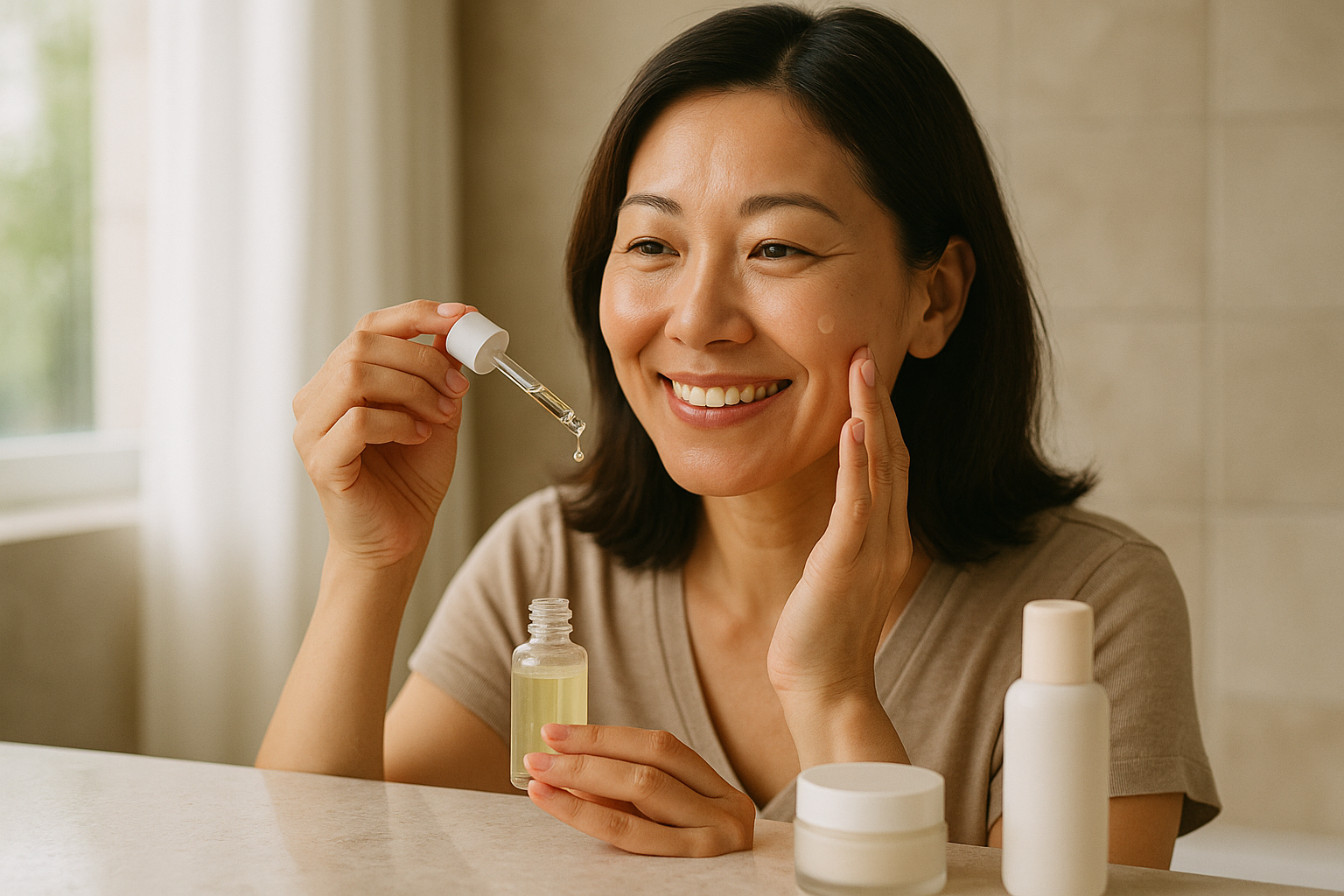
How to Use and Layer These Serums in a 40s Sensitive Routine
AM: cleanse gently, pat to damp skin, apply a light hyaluronic serum, follow with antioxidant moisturizer and a broad-spectrum sunscreen. PM: after double-cleansing if wearing makeup, apply a serum targeted to your goal—barrier concentrate at night on dry areas, or a gentle brightening serum a few times a week—then seal with a nourishing cream. When introducing a new serum, patch-test on the forearm for 3–5 days and start every other night for a week. Avoid layering multiple actives at once; if combining a niacinamide serum with a low-strength acid or retinol, alternate nights or consult a specialist to prevent irritation.
Price, Packaging and Where to Buy — Practical Trade-offs
Luxury Japanese serums vary from pharmacy-tier value to premium boutique prices. Consider packaging: airless pumps and opaque glass protect delicate actives and suit sensitive skin because they reduce preservative demand. If budget is a concern, focus on ingredient efficacy and texture rather than brand prestige—a well-formulated hyaluronic serum can outperform an expensive, heavily fragranced prestige option. Buy from authorized retailers or reputable cross-border pharmacies to ensure authenticity and clear return policies. For travel, smaller pump bottles with secure caps reduce contamination risk.
Final Recommendations: Which Serum to Choose for Your Priority
If hydration and barrier support are your top priority, choose a multi-weight hyaluronic serum that is fragrance-free and packs simple emollients—this is the safest first step. If you want gentle radiance without agitation, opt for a niacinamide or rice-extract serum at a conservative concentration. For targeted night repair on dry areas, select a ceramide-rich concentrate used sparingly. Above all, match texture to routine and climate, introduce one new product at a time, and prioritize packaging that protects formula integrity.
Start with the editor comparison, then explore the featured pick
Recommended Options Comparison
Three editor-curated picks compared for intent, feel, and positioning. Use this as a decision aid—not a substitute for patch testing or professional advice when you need it.
| Product Name | Best For | Texture / Feel | Positioning | Shop |
|---|---|---|---|---|
| SK-II Facial Treatment Essence | Best when you prioritize brightening, dark spot, vitamin c. | Refined, luxury-market texture intended for consistent daily use. | Prestige, editor-curated lane—positioned for discerning skincare shoppers. | View on Amazon |
| SHISEIDO Ultimune Power Infusing Concentrate | Best when you prioritize hydration, hydrating, dry skin. | Refined, luxury-market texture intended for consistent daily use. | Prestige, editor-curated lane—positioned for discerning skincare shoppers. | View on Amazon |
| POLA B.A Serum | Best when you prioritize anti-aging, wrinkle, firmness. | Lightweight, layerable texture designed for treatment steps. | Prestige, editor-curated lane—positioned for discerning skincare shoppers. | View on Amazon |
Frequently Asked Questions
Are Japanese serums generally safe for sensitive skin in your 40s?
Many Japanese serums are formulated with simple, low-irritant bases and lightweight textures that suit sensitive, mature skin. Look for fragrance-free labels, barrier-supporting ingredients like hyaluronic acid and ceramides, and patch-test new products before full-face use.
How should I introduce a new serum into my routine to avoid irritation?
Patch-test for several days, then start using the serum every other night for a week before moving to nightly use. Limit other new actives when introducing a product and avoid stacking multiple targeted serums until you confirm tolerance.
Can I use a Japanese brightening serum with niacinamide if my skin is reactive?
Low-dose niacinamide is often well tolerated and can be a good option for evening tone in sensitive skin. Choose formulas without fragrance and introduce gradually. If you notice persistent redness or stinging, reduce frequency or stop and consult a skincare professional.
What texture of serum works best for 40s skin that is both sensitive and dry?
A slightly richer, silky serum with humectants plus lightweight emollients (like squalane) balances moisture without feeling greasy. Use it primarily in the PM or layer under a richer cream in colder months; in humid climates choose a lighter hyaluronic-focused serum to avoid buildup.
Recommended Product
SK-II Facial Treatment Essence
We feature SK-II Facial Treatment Essence as this article’s curated Amazon affiliate pick—a luxury-market reference that aligns with the editorial tone and routine ideas above. It gives readers a specific, high-quality option to explore when they are ready to shop. If you purchase through our links, we may earn a commission at no additional cost to you.
Final Thoughts
Explore curated, sensitive-friendly Japanese serums recommended here and compare textures and formulas to find the best fit for your routine.