Many women in their 40s notice that sensitivity and ageing concerns sometimes demand a different approach—lighter textures, fewer fragrances, and purposeful ingredients. This guide helps you choose a Japanese serum that calms and hydrates without overcomplication, comparing formula types and giving clear, practical trade-offs so you can decide what to buy and why.
See a J-beauty hero product that anchors this ritual
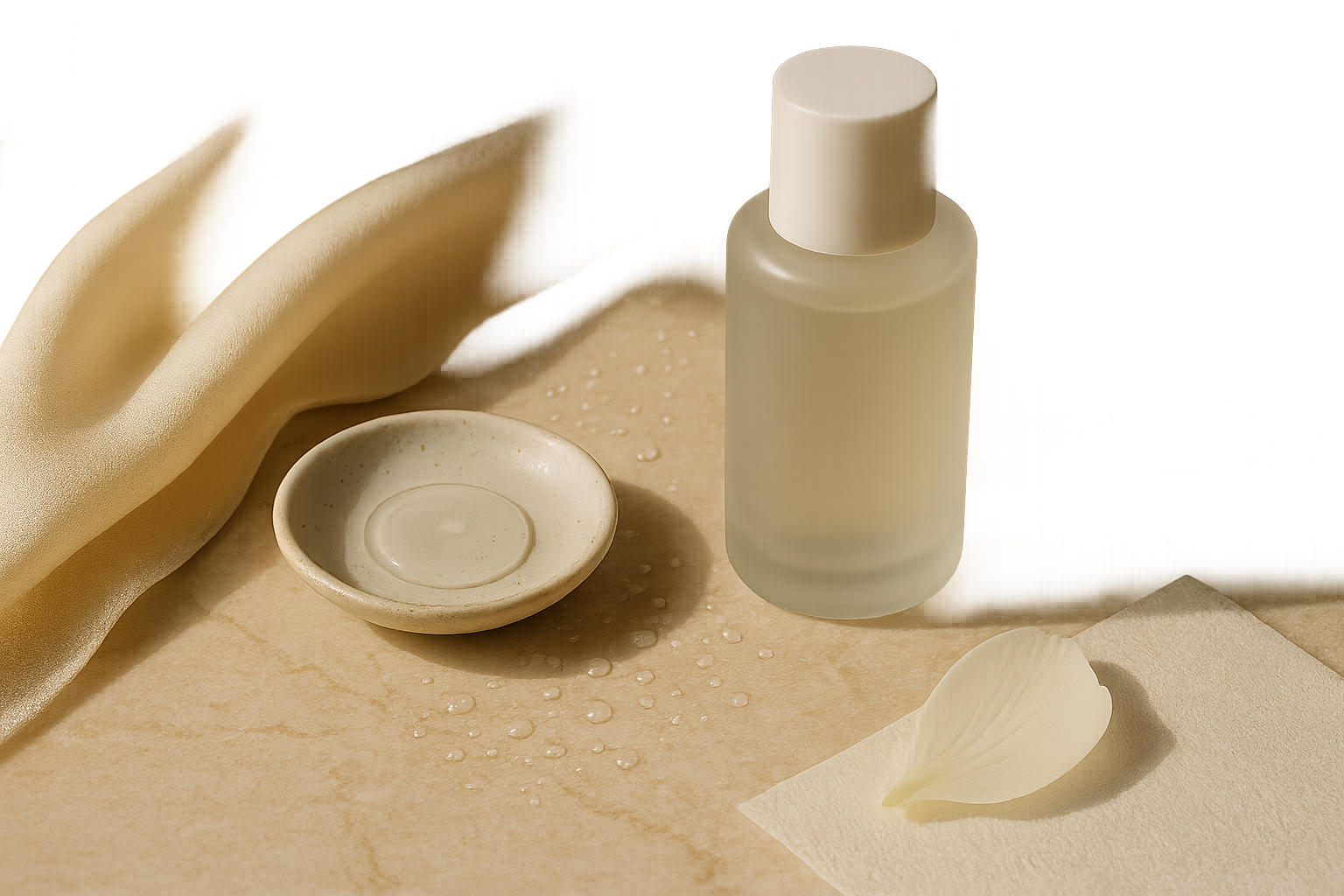
Why your 40s and sensitive skin deserve a deliberate serum choice
Your forties often bring subtle shifts: moisture balance changes, slower surface turnover, and occasional reactivity to fragrances or actives. What often matters most is targeted support—hydration, barrier reinforcement, and gentle brightening—without irritation. This introductory section frames common lifestyle triggers (sleep, hormones, environmental stressors) and explains why a serum—rather than a heavy cream or a single-actives treatment—can be an elegant, low-risk way to deliver concentrated care beneath your moisturizer.
What makes Japanese serums distinct: formulation notes and philosophy
Japanese skincare tends to emphasise skin comfort, layering, and ingredient restraint: high-quality humectants, fermented botanicals, rice-derived actives, and meticulous textures that play well under moisturisers. Expect lightweight gels, watery emulsions, and essences that focus on hydration and barrier balance more than aggressive exfoliation. This section outlines common J‑beauty ingredients (hyaluronic acid variants, ceramides, rice bran, camellia oil, green tea extracts, low-dose niacinamide) and how Japanese brands balance efficacy with sensory elegance—important when sensitivity is a concern.
Continue exploring · For a more complete luxury routine, see How to Choose the Right Luxury Serum for Your Skin Type: A Complete Guide to Hydration, Brightening, and Age‑Defying Radiance
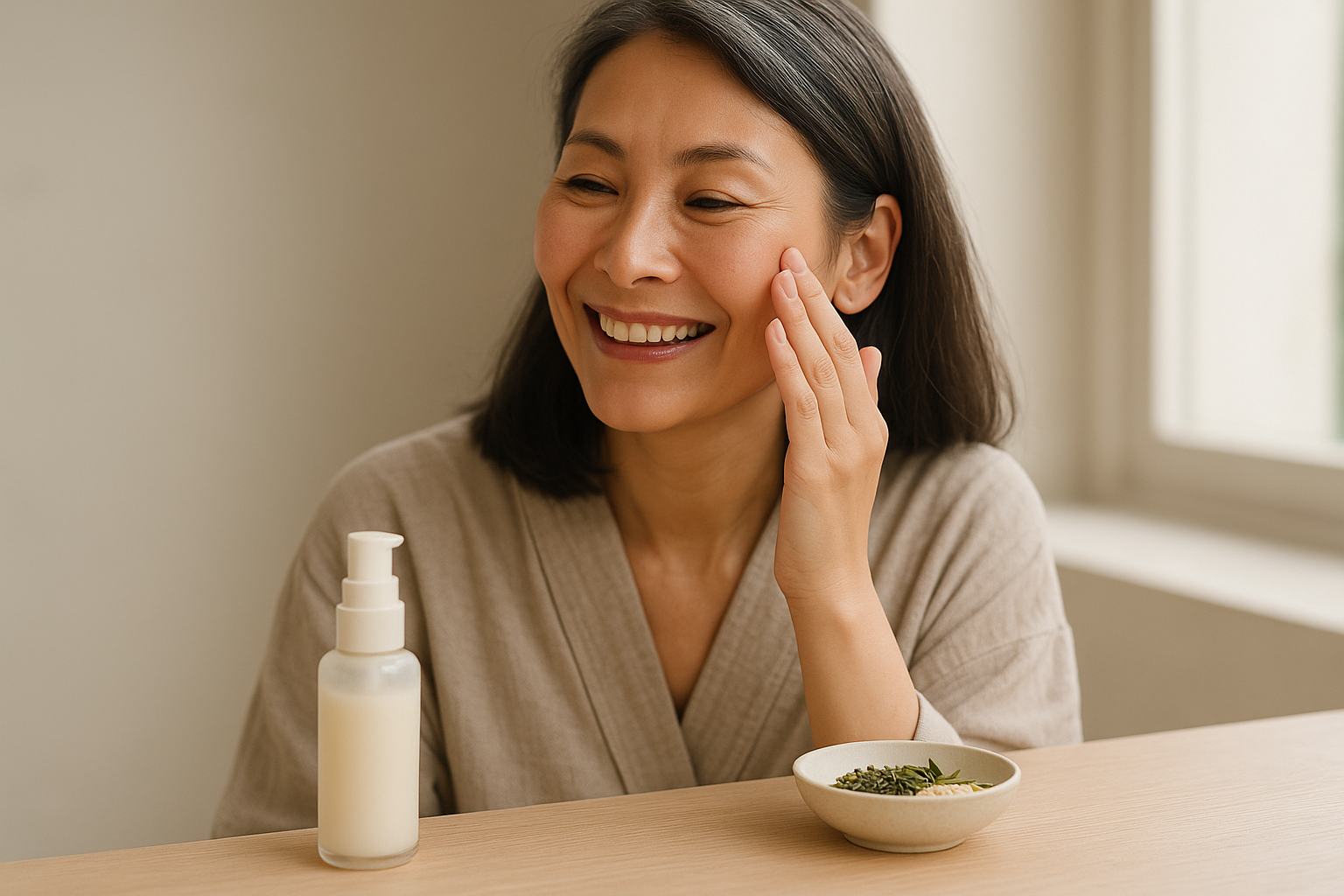
The table below highlights who each formula is really for
How to choose: a step-by-step decision guide for sensitive skin in your 40s
Start with your primary skin goal (hydration, calming redness, gentle brightening) and work through five checkpoints: 1) Texture preference—do you want a watery essence, gel serum, or lightweight emulsion? 2) Ingredient profile—seek humectants and barrier supporters first, avoid high fragrance and high-alcohol bases. 3) Active strength—choose lower concentrations of potent actives (niacinamide, mild AHAs) or formulas that combine actives with soothing agents. 4) Packaging—airless pumps and droppers keep formulas stable and reduce preservative load. 5) Practical testing—patch-test small areas for 48 hours and introduce slowly, one new product every 1–2 weeks. Each checkpoint includes trade-offs so you can decide what matters most to your routine and sensitivity level.
Which formula fits: trade-offs and who should pick which serum
This comparative section maps common serum types to specific needs and sensitivities: – Hydration-first (hyaluronic acid variants): best for dryness and fine lines; low irritation risk but some thick gels can pill under certain moisturisers. – Barrier builders (ceramides, squalane blends): ideal if your skin feels tight or reactive; slightly richer feel but excellent under creams. – Gentle brighteners (low-dose niacinamide, tranexamic-acid-light): helpful for uneven tone in a subtle way; choose buffered formulas if reactive. – Botanical-soothing (rice bran, camellia, green tea): elegant sensory experience and calming properties but watch for plant sensitivities. For each option this section lists the main benefit, a potential downside, and the profile of the reader who should lean toward it.
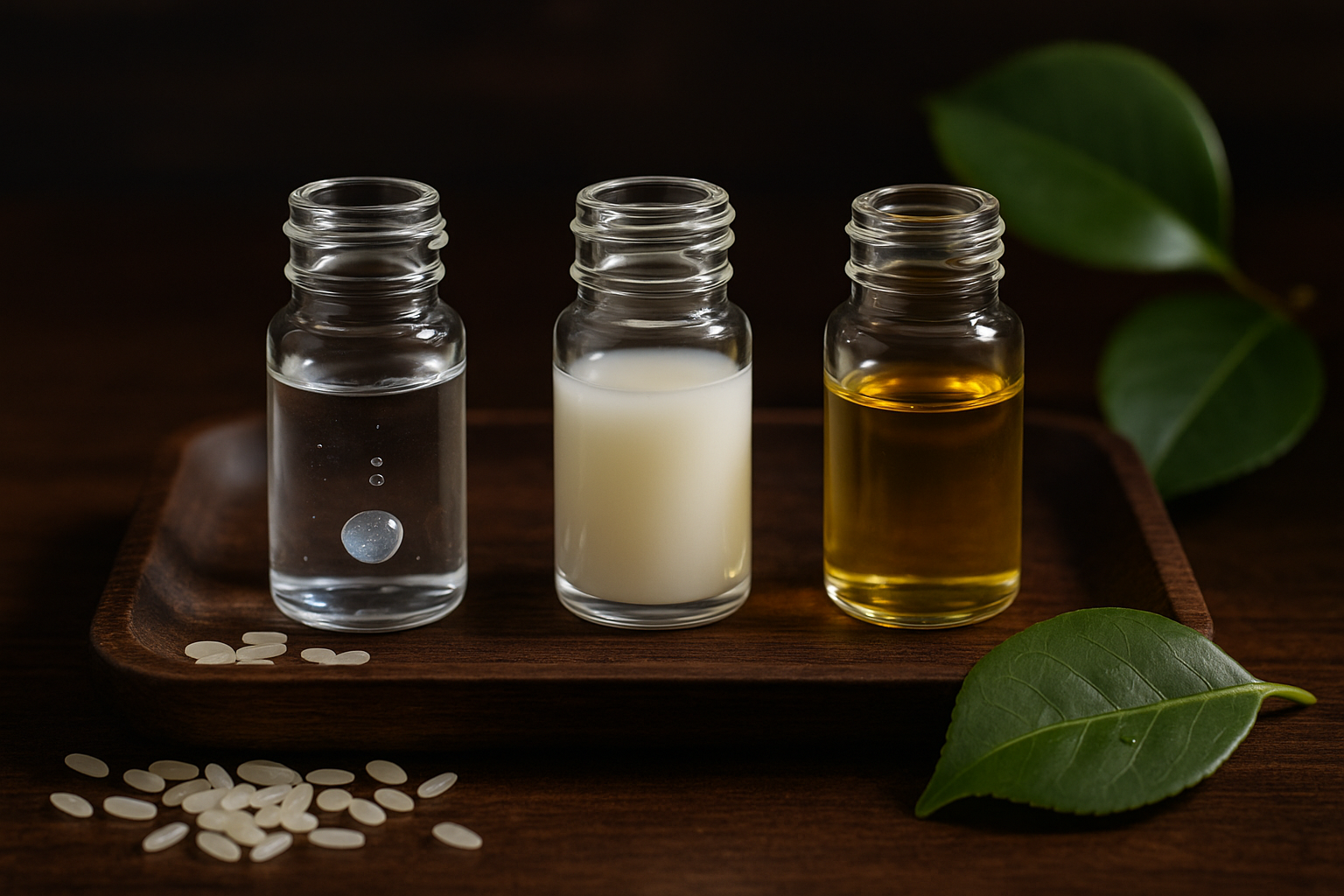
How to layer a Japanese serum into a 40s AM and PM routine
Practical, step-by-step routine examples show where a serum fits in both morning and evening. Morning: cleanse, gentle essence or hydrating toner, lightweight Japanese serum (apply to slightly damp skin), moisturiser, sunscreen. Evening: double-cleanse if wearing makeup, hydrating serum or barrier builder, targeted treatment (introduced slowly), richer night cream as needed. Notes include guidance on mixing actives, how long to wait between layers, and tips to avoid pilling while preserving the serum’s effectiveness.
Top Japanese serums to consider — comparison and who they suit
A curated comparison of four distinct Japanese serums chosen to represent different trade-offs: 1) Hada Labo Gokujyun Premium Hyaluronic Acid Serum — hydration-first, minimal fragrance; great as a baseline daily hydrator for sensitive 40s skin. 2) Decorté Liposome Advanced Repair Serum — premium delivery system that supports barrier repair and subtle firmness; suited to readers seeking luxe textures and proven stability. 3) Muji Sensitive Skin Moisturizing Serum — straightforward, budget-friendly, fragrance-free option for reactive skin that prefers simplicity. 4) Shiseido Vital-Perfection (light step) or a similar anti-ageing concentrate — for those who want an anti-ageing focus but with formulations that can be introduced cautiously and with patch testing. For each product the copy summarises texture, key gentle actives, expected sensory experience, and the reader profile most likely to prefer it.
How to test, introduce, and troubleshoot a new Japanese serum
Practical safety and longevity tips: perform a 48-hour patch test on the inner forearm, introduce new serums on alternate nights when combined with other actives, reduce frequency if you notice irritation, and keep a short diary to track reactions. Troubleshooting covers mild stinging vs true irritation, what to pause (fragrance, alcohol-heavy tonics), and when to simplify your routine to three core products (cleanser, serum, moisturiser) until tolerance improves.
Shopping checklist and questions to ask before you buy
A printable-style checklist helps readers compare labels quickly: fragrance listed? alcohol denat? preservatives type? packaging (airless/pump vs jar)? percentage or phrasing of actives? Then a short decision tree—are you prioritising hydration, barrier support, or brightening?—so readers can line up their priorities with product claims and choose confidently without overbuying.
Move to the side-by-side view to choose with confidence
Recommended Options Comparison
Each row is meant to read differently—if two lines sound identical, look at Texture and Ideal Concern first. Not medical advice; patch-test when unsure.
| Product | Best For | Texture | Ideal Concern | Why It Stands Out | Shop |
|---|---|---|---|---|---|
| SHISEIDO Ultimune | Readers who want a distinct luxury lane—not a generic catch-all | Light / layerable | Clarifying which luxury lane fits your routine | Frames daily defense and prep as the hero—useful when consistency and comfort anchor the routine. | View on Amazon |
| SK-II Facial Treatment Essence | Readers who want a distinct luxury lane—not a generic catch-all | Light / layerable | Clarifying which luxury lane fits your routine | Leans into luminous, texture-forward storytelling—often chosen when glow reads as the priority. | View on Amazon |
| Clé de Peau Beauté La Crème | Readers who want a distinct luxury lane—not a generic catch-all | Rich / cushioning | Clarifying which luxury lane fits your routine | Sits in a more maximal, prestige lane—appealing when you want a richer, age-supportive feel. | View on Amazon |
Editor notes on each pick
Short, decision-oriented context before you click through—still editorial, not a guarantee of results.
A credible luxury reference when you want one clear option to evaluate against the comparison above.
A credible luxury reference when you want one clear option to evaluate against the comparison above.
A credible luxury reference when you want one clear option to evaluate against the comparison above.
Continue exploring · To compare textures and intent across another guide, read Top Luxury Cleansers for a Fresh, Balanced Complexion: How to Choose the Perfect Formula for Your Skin
Final Recommendation
A concise map—not a prescription. Use it alongside the comparison table and your own preferences.
- If Readers who want a distinct luxury lane—not a generic catch-all → consider SHISEIDO Ultimune. A credible luxury reference when you want one clear option to evaluate against the comparison above.
- If Readers who want a distinct luxury lane—not a generic catch-all → consider SK-II Facial Treatment Essence. A credible luxury reference when you want one clear option to evaluate against the comparison above.
- If Readers who want a distinct luxury lane—not a generic catch-all → consider Clé de Peau Beauté La Crème. A credible luxury reference when you want one clear option to evaluate against the comparison above.
Recommended Product
SHISEIDO Ultimune
A credible luxury reference when you want one clear option to evaluate against the comparison above.
We feature SHISEIDO Ultimune as this article’s curated Amazon affiliate pick—a luxury-market reference that aligns with the editorial tone and routine ideas above. It gives readers a specific, high-quality option to explore when they are ready to shop. If you purchase through our links, we may earn a commission at no additional cost to you.
Final Thoughts
Explore curated Japanese serums and compare gentle formulas—start with a hydrating option and choose the one that best fits your sensitivity profile.
Frequently Asked Questions
Is hyaluronic acid safe for sensitive skin in your 40s?
Hyaluronic acid is widely used for hydration and is generally well tolerated because it works by attracting moisture to the skin surface. For sensitive skin, choose a lightweight formula without heavy fragrances or high‑alcohol bases, and patch-test first to ensure compatibility with your routine.
How long should I patch test a Japanese serum before using it on my face?
Patch testing for 48 hours on the inner forearm or behind the ear gives a practical initial read on sensitivity. If no redness or persistent irritation appears, introduce the serum to your face gradually—start every other night or once daily and increase as tolerated.
Can I use a Japanese serum with retinol in my 40s if I have sensitive skin?
You can combine a gentle hydrating serum with retinol, but proceed slowly. Use the serum to support the skin barrier and apply retinol on alternate nights at first. Avoid layering strong actives together until you know your tolerance, and keep fragrance- and alcohol-light support products to reduce cumulative irritation.
Which ingredients should I avoid if my skin is reactive but I want anti-ageing benefits?
Consider limiting products with high fragrance, essential oils, and high concentrations of acids (strong AHAs/BHAs) or alcohol denat in leave-on steps. Look instead for barrier-supporting actives (ceramides, cholesterol, squalane), soothing botanicals (fermented rice, green tea), and low-dose, buffered versions of anti‑ageing ingredients.