In this guide, we compare SK-II Facial Treatment Essence, SHISEIDO Ultimune, and Clé de Peau Beauté La Crème through the lens of hidden japanese skincare ingredients for aging skin—the same trio you will see summarized in the comparison table below.
Japanese skincare often hides powerful, time‑tested actives inside simple, elegant formulas. This article unpacks the lesser-known ingredients—sake kasu, rice bran, tsubaki (camellia) oil, konjac, and fermented essences—showing how they function in real routines, which products make them work best, and how to choose the right formula for your skin and lifestyle.
See a J-beauty hero product that anchors this ritual
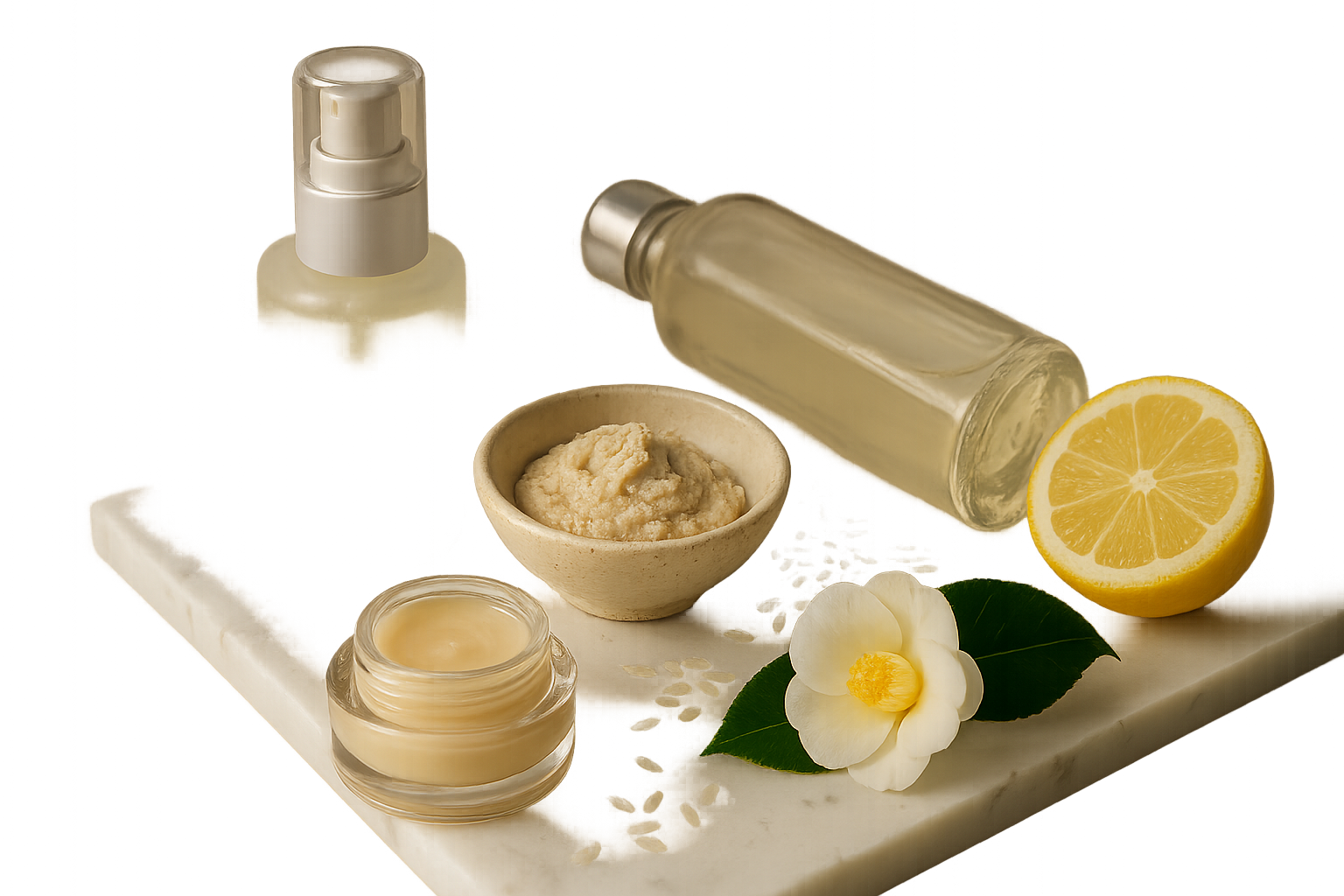
What we mean by ‘hidden’ ingredients in J‑beauty
In Japanese skincare, ‘hidden’ ingredients are the traditional, often plant-derived components tucked into modern lotions, essences and oils rather than headline actives like retinol. They are usually mild, cumulative and ritual-friendly—think sake lees, rice bran (nuka), camellia (tsubaki) oil, konjac-derived glucomannan and gentle ferments. Many of these ingredients excel at improving tone, texture and hydration with consistent use over months rather than overnight transformations. For readers aged 30–50, what often matters most is subtle, reliable improvement and how a product fits into an already busy routine. This section sets the scene before we dive into specific ingredients and formulas.
Six Japanese ‘hidden’ ingredients and how to use them
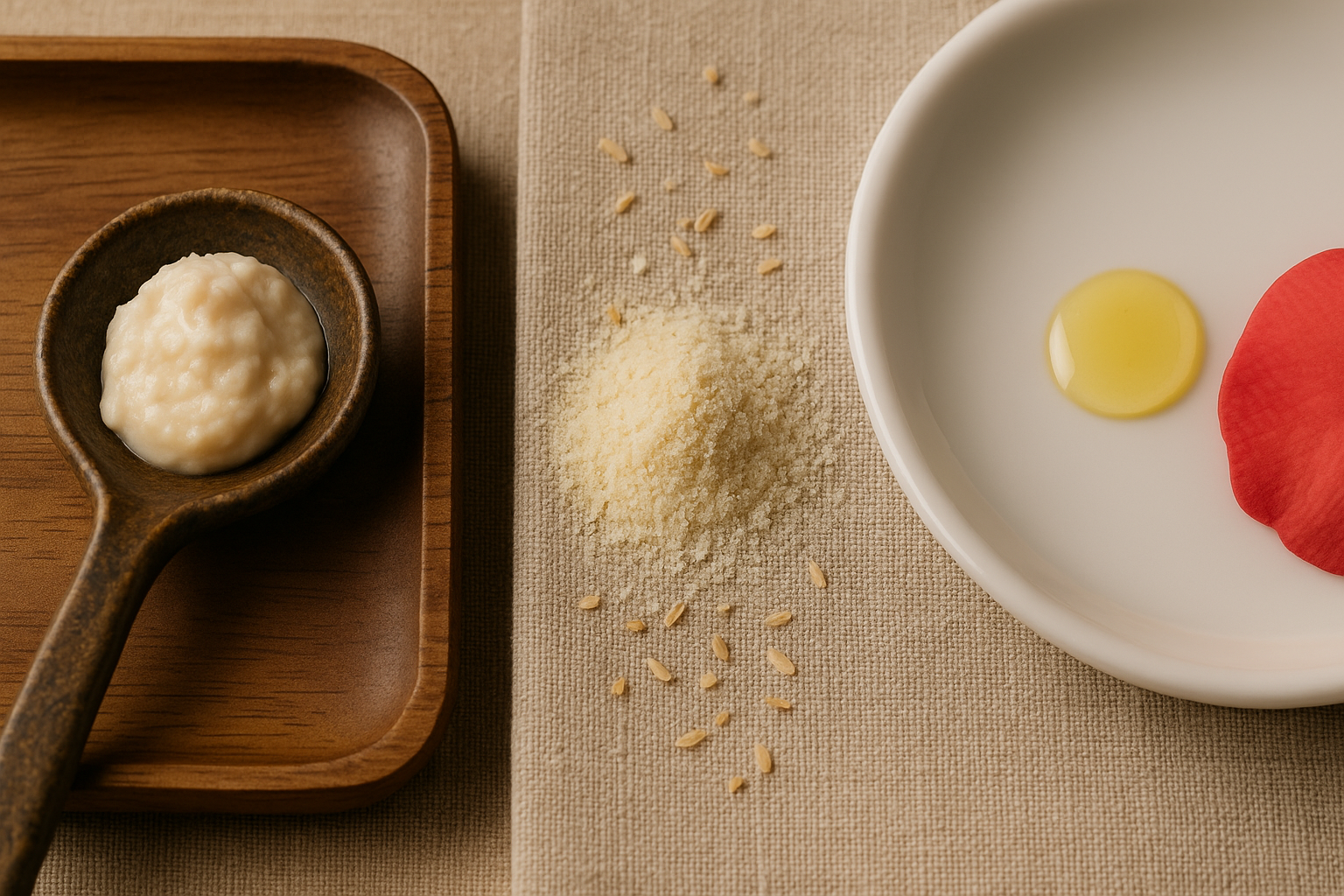
1) Sake kasu (sake lees): A by-product of sake production, often found in lotions and masks. It can add a softening, hydrating layer and is best used as a lightweight first essence or hydrating lotion you press into skin. 2) Rice bran (nuka): Ground rice bran appears in oils, creams and cleansers. It’s a gentle exfoliating and nourishing component that blends well with a daily oil or balm. 3) Tsubaki (camellia) oil: A classic hair and skin oil in Japan, prized for its silky texture. Use sparingly as a last-step oil or massaged into the cuticle area for immediate smoothing. 4) Fermented yeast extracts (e.g., Pitera-style essences or koji-derived ferments): These are common in luxury essences and help with overall skin clarity and resilience when layered under moisturizers. 5) Konjac-derived glucomannan: Often in sponges or hydrating gels, it lifts moisture and aids texture; a konjac sponge can be a gentle daily exfoliant. 6) Silk protein and plant peptides: Found in creams and serums for lightweight suppleness—pair them with a hydrating lotion for balanced layering. Each entry below includes routine context: which step to add them in, how often, and what textures they pair best with (lotions, essences, oils or creams).
Continue exploring · If you want a second lens before you decide, see Are You Over-Cleansing? How to Pick the Right Japanese Cleanser for Sensitive Skin in Your 40s
See how these three picks diverge in the comparison
Products spotlight: three real formulas that showcase these ingredients
To see these ingredients in action, we compare three distinct, widely available products that represent the J‑beauty spectrum: Kikumasamune Sake High Moisture Lotion (hydrating, sake-derived), SK-II Facial Treatment Essence (Pitera ferment-rich essence), and Shiseido Eudermine Revitalizing Essence (classic lightweight essence/lotion). Kikumasamune is an affordable, layerable lotion that introduces sake-influenced hydration and works well beneath serums and creams. SK-II is a premium, cult essence centered on a proprietary fermented extract—best for readers who prioritize a single, luxe essence step and are comfortable with a higher price point. Shiseido Eudermine sits between them: a versatile, sensitive-skin-friendly revitalizing lotion that can be used morning or night and pairs well with targeted serums. Later sections will keep these three names consistent as we weigh trade-offs, who each suits, and how to build routines around them.
How to choose: which formula fits your skin, routine and budget
We discipline the narrative around three concrete luxury references—SK-II Facial Treatment Essence, SHISEIDO Ultimune, and Clé de Peau Beauté La Crème. These are not background examples; they are the same formulas named again in the comparison table, so you are never reconciling one shortlist in the prose with a different roster later.
SK-II Facial Treatment Essence is the row we emphasize when dullness, uneven daylight tone, or makeup that never quite sits evenly lead the brief. In the table, that priority is labeled Easily irritated; editorially, Leans into luminous, texture-forward storytelling.
SHISEIDO Ultimune is the row we emphasize when lines that read deeper by evening, or a preference for a richer, weightier feel lead the brief. In the table, that priority is labeled Dull uneven tone; editorially, Frames daily defense and prep as the hero.
Clé de Peau Beauté La Crème is the row we emphasize when lines that read deeper by evening, or a preference for a richer, weightier feel lead the brief. In the table, that priority is labeled Deeper lines; editorially, Sits in a more maximal, prestige lane.
Routine examples: simple morning and evening builds
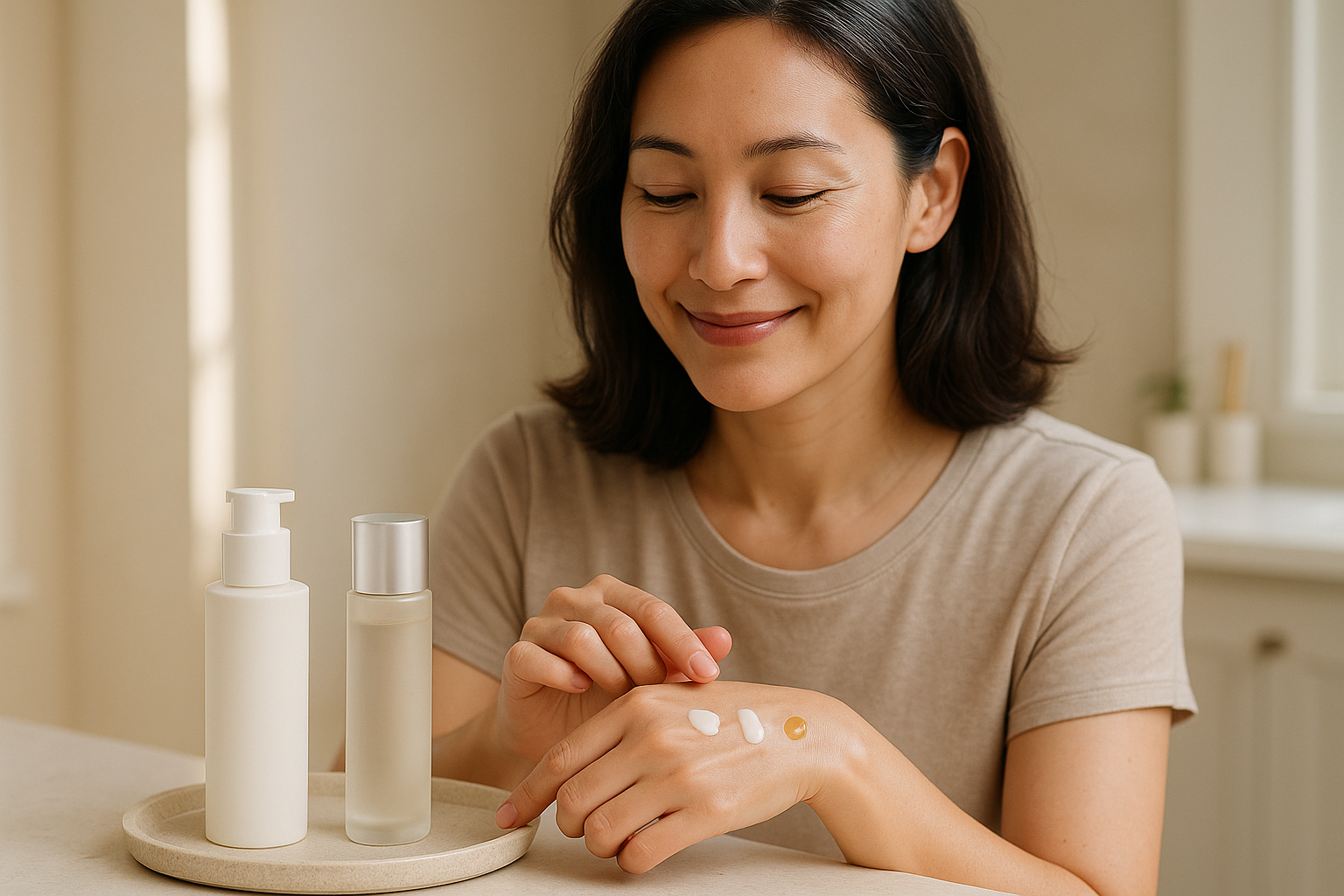
Morning (quick): gentle cleanser → hydrating lotion (Kikumasamune or Eudermine) → antioxidant serum if used → lightweight moisturizer → SPF. Morning (ritual): cleanse → essence (SK-II or Eudermine) pressed into skin → lighter serum → moisturizer → SPF. Evening (layered): double-cleanse if wearing makeup → essence/lotion (Kikumasamune or SK-II) → targeted serum (e.g., peptide or hyaluronic) → tsubaki oil as last-step sealing if desired → richer cream. Tips: press rather than rub for essences to increase absorption; use konjac sponge once or twice weekly for gentle surface renewal; and reserve concentrated oils for nights or drier climate days. These examples show how hidden ingredients can slot into familiar routines without creating an extra, complicated step.
Sourcing, authenticity and practical shopping tips
Look for transparent ingredient lists and buy from reputable retailers or the brand’s official channels to avoid counterfeit formulations—especially for high-demand essences. Smaller, traditional ingredients like rice bran and sake lees can vary in concentration; read the label to see whether the ingredient is a named extract and where it appears in the list. If fragrance or alcohol is a concern, prioritize formulas labeled for sensitive skin or fragrance-free. Pay attention to packaging: essences in dark or opaque bottles often protect fermentation-derived extracts better. Finally, check price-per-millilitre to compare value—sometimes a concentrated essence costs more but requires fewer drops per use, while a lotion you can layer generously may be more cost-effective for daily hydration.
Final thoughts and a compact comparison
We discipline the narrative around three concrete luxury references—SK-II Facial Treatment Essence, SHISEIDO Ultimune, and Clé de Peau Beauté La Crème. These are not background examples; they are the same formulas named again in the comparison table, so you are never reconciling one shortlist in the prose with a different roster later.
SK-II Facial Treatment Essence is the row we emphasize when dullness, uneven daylight tone, or makeup that never quite sits evenly lead the brief. In the table, that priority is labeled Easily irritated; editorially, Leans into luminous, texture-forward storytelling.
SHISEIDO Ultimune is the row we emphasize when lines that read deeper by evening, or a preference for a richer, weightier feel lead the brief. In the table, that priority is labeled Dull uneven tone; editorially, Frames daily defense and prep as the hero.
Clé de Peau Beauté La Crème is the row we emphasize when lines that read deeper by evening, or a preference for a richer, weightier feel lead the brief. In the table, that priority is labeled Deeper lines; editorially, Sits in a more maximal, prestige lane.
Move to the side-by-side view to choose with confidence
Recommended Options Comparison
Each row is meant to read differently—if two lines sound identical, look at Texture and Ideal Concern first. Not medical advice; patch-test when unsure.
| Product | Best for | Texture | Ideal Concern | Why It Stands Out | Shop |
|---|---|---|---|---|---|
| SK-II Facial Treatment Essence | Easily irritated | Light / layerable | Clarifying which luxury lane fits your routine | Leans into luminous, texture-forward storytelling—often chosen when glow reads as the priority. | View on Amazon |
| SHISEIDO Ultimune | Dull uneven tone | Light / layerable | Clarifying which luxury lane fits your routine | Frames daily defense and prep as the hero—useful when consistency and comfort anchor the routine. | View on Amazon |
| Clé de Peau Beauté La Crème | Deeper lines | Rich / cushioning | Clarifying which luxury lane fits your routine | Sits in a more maximal, prestige lane—appealing when you want a richer, age-supportive feel. | View on Amazon |
Editor notes on each pick
Short, decision-oriented context before you click through—still editorial, not a guarantee of results.
A natural match if new steps tend to burn along the cheeks yet you are not willing to downgrade texture.
Especially relevant if daylight reveals patchy tone or makeup that never quite sits evenly on the surface.
Especially relevant if fine lines look more obvious when skin is dry, tired, or you have been in dry air all day.
Continue exploring · To compare textures and intent across another guide, read How to Choose a Japanese Moisturizer for Sensitive Skin in Your 40s: A Luxury Cream Guide That Adapts to Your Skin
Final Recommendation
A concise map—not a prescription. Use it alongside the comparison table and your own preferences.
- If your skin stings after cleansing, turns red easily, or feels hot when you add a new serum → consider SK-II Facial Treatment Essence. A natural match if new steps tend to burn along the cheeks yet you are not willing to downgrade texture.
- If your complexion looks dull and uneven—rough patches, shadowy zones, or tired color under natural light → consider SHISEIDO Ultimune. Especially relevant if daylight reveals patchy tone or makeup that never quite sits evenly on the surface.
- If lines look deeper at the end of the day, or creases stay etched after you stop smiling → consider Clé de Peau Beauté La Crème. Especially relevant if fine lines look more obvious when skin is dry, tired, or you have been in dry air all day.
Match by skin situation
Three reader profiles—not rigid rules. Use them to narrow the field, then cross-check with the table above.
- If your skin stings after cleansing, turns red easily, or feels hot when you add a new serum, start your shortlist with SK-II Facial Treatment Essence.
- If your complexion looks dull and uneven—rough patches, shadowy zones, or tired color under natural light, start your shortlist with SHISEIDO Ultimune.
- If lines look deeper at the end of the day, or creases stay etched after you stop smiling, start your shortlist with Clé de Peau Beauté La Crème.
Recommended Product
SK-II Facial Treatment Essence
A natural match if new steps tend to burn along the cheeks yet you are not willing to downgrade texture.
We feature SK-II Facial Treatment Essence as this article’s curated Amazon affiliate pick—a luxury-market reference that aligns with the editorial tone and routine ideas above. It gives readers a specific, high-quality option to explore when they are ready to shop. If you purchase through our links, we may earn a commission at no additional cost to you.
Final Thoughts
Explore our curated picks and compare textures to find the right Japanese formula for your routine—see product details and where to buy.
There is no one perfect serum — only the one that fits your skin today.
Frequently Asked Questions
Are sake-based lotions safe for sensitive skin?
Many sake-based lotions are formulated to be gentle and hydrating, but sensitivities vary. Look for minimal fragrance and formulas marketed for sensitive skin, and patch-test on the inner forearm for several days before full-face use. If irritation occurs, stop use and simplify to a basic cleanser and moisturizer until skin calms.
How long does it take to notice changes from fermented essences like Pitera or sake?
These ingredients often work cumulatively; many people notice a subtle improvement in texture or radiance after several weeks of consistent use. Changes tend to be gradual rather than dramatic, so give a new essence or lotion at least 4–8 weeks when incorporated into a stable routine.
Can I layer a sake lotion and a fermented essence together?
Yes—layering a lightweight sake lotion under an essence or using an essence first and pressing in a lotion can be effective. Pay attention to textures so the product sequence absorbs well. If you experience stickiness or piling, reduce the number of products or alternate usage in morning and evening.
Is SK-II worth it compared with more affordable Japanese essences?
SK-II is prized for its concentrated Pitera fermentation extract and luxury ritual, but it comes at a premium. More affordable options like Kikumasamune provide fermented rice benefits in a different texture and cost profile. Consider whether you prefer a signature single-essence ritual (SK-II) or a layerable, budget-friendly approach (Kikumasamune) when deciding.