Combination skin asks for dual personalities: a lightweight touch where pores and shine prevail, and deeper nourishment where dryness lingers. This editorial guide decodes premium textures, ingredients and layering strategies so you can choose a high-end moisturizer that harmonises both needs without compromise. Expect curated product pick-ups, practical application tips and confidence-building advice for a balanced, luminous feel.
See the featured skincare pick
Understanding Combination Skin: Why It’s Not One-Size-Fits-All
Combination skin typically presents as a mix of oilier zones (usually the forehead, nose and chin) and drier cheeks or jawline. Rather than a flaw, it’s a sign your skin needs nuanced care—targeted hydration where it’s parched and lightweight oil control where it’s shiny. Environmental factors, hormones and seasonal shifts can all alter the balance, so a premium routine often focuses on products that layer well, are adaptable in texture, and deliver targeted benefits without overwriting the skin’s natural tone or glow. The goal is to reconcile comfort and clarity with a luminous, even finish.
What to Look for in a High-End Moisturizer
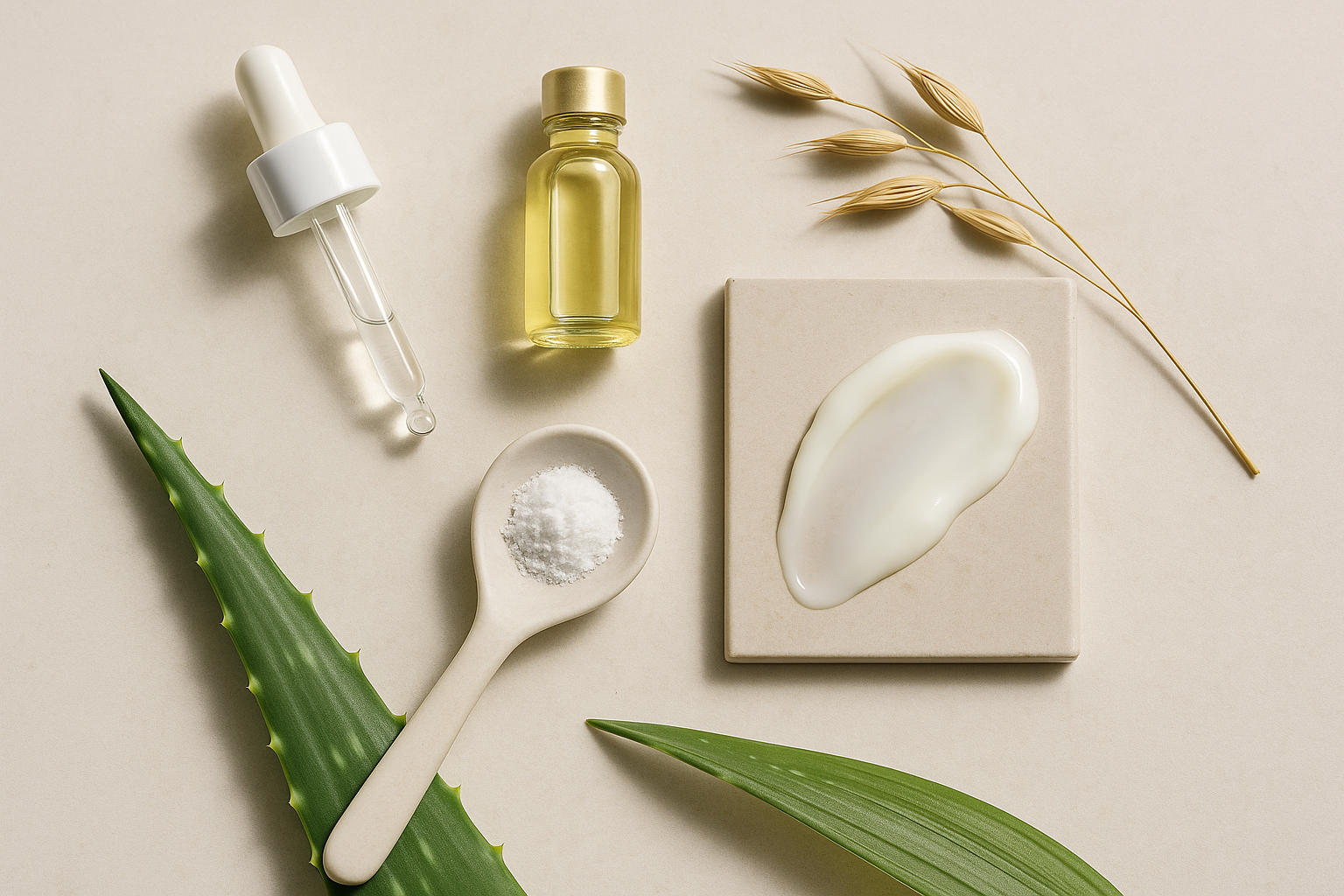
When choosing a luxury moisturizer for combination skin, prioritise formulation clarity: humectants (like hyaluronic acid and glycerin) attract and retain moisture without weight; lightweight emollients and esters provide silky slip and barrier support; and non-comedogenic oils such as squalane hydrate without clogging pores. Ingredients like niacinamide and ceramides help regulate barrier function and texture; peptides and gentle antioxidant complexes refine the skin’s surface and appearance over time without harshness. Fragrance-free or subtly scented formulations are often kinder to sensitive areas, and high-end options should balance efficacy with elegant textures—gel-creams, soft creams and balm-cream hybrids that layer easily and respond to seasonal needs.
Check the product details here
Textures and Formats: Gel-Creams, Emulsion, Balms and Lightweight Oils
Texture matters for combination skin. Gel-creams offer immediate refreshment and are ideal for oil-prone zones; emulsions and soft creams deliver sustained hydration to drier patches while remaining weightless; balms and richer creams are best reserved for targeted night use on dry cheeks. Lightweight facial oils—used sparingly—can seal in moisture without tipping the T-zone toward congestion when chosen wisely (look for non-comedogenic designations). Many luxury brands now engineer bi-phase or hybrid formats that bridge these categories, offering a silky touch up front with deeper nourishment over time. Sampling textures in store or requesting decants is especially helpful for combination skin to test how a product settles across different areas of your face.
How to Build a Moisturizing Routine for Combination Skin
A balanced routine is about layering strategically. In the morning, cleanse gently, follow with a lightweight hydrating serum (hyaluronic acid or a vitamin-rich antioxidant), then apply a gel-cream or light emulsion—pat gently into dry areas and press into the T-zone sparingly. Finish with a broad-spectrum SPF as your final daytime step. At night, allow richer creams or targeted balms on drier cheeks and a breathable cream on the T-zone to maintain balance without heaviness. For very oily moments, consider spot-treating shine with a mattifying primer rather than switching to a less hydrating moisturizer. Consistency is key: a predictable ritual helps products perform predictably across mixed zones.
Top High-End Picks for Combination Skin (Editor’s Selections)
This selection highlights premium textures and trusted formulations that suit mixed skin needs:
– Augustinus Bader The Cream — a richly engineered yet wearable cream that layers well and comforts dry areas while maintaining skin clarity.
– Tatcha The Water Cream — a weightless gel-cream that absorbs quickly and leaves a dewy matte finish, ideal for oil-prone zones.
– La Mer The Moisturizing Soft Cream — luxurious and nourishing; best for those who rotate richer creams at night or use selectively on dry areas.
– Dr. Barbara Sturm Face Cream — a refined, science-forward option with lightweight slip and a hydrating profile that suits uneven skin.
– Sisley Paris Black Rose Cream Mask (as an occasional treatment) — offers immediate radiance and plumping to dry patches when used weekly.
– Omorovicza Thermal Cleansing Balm (for double-cleansing and overnight care) — silky for dry areas and rinses clean from oily zones.
Each pick balances sensorial luxury with targeted performance; consider texture and seasonal changes when selecting your day and night favourites.
How to Apply, Layer and Spot-Treat Without Overloading
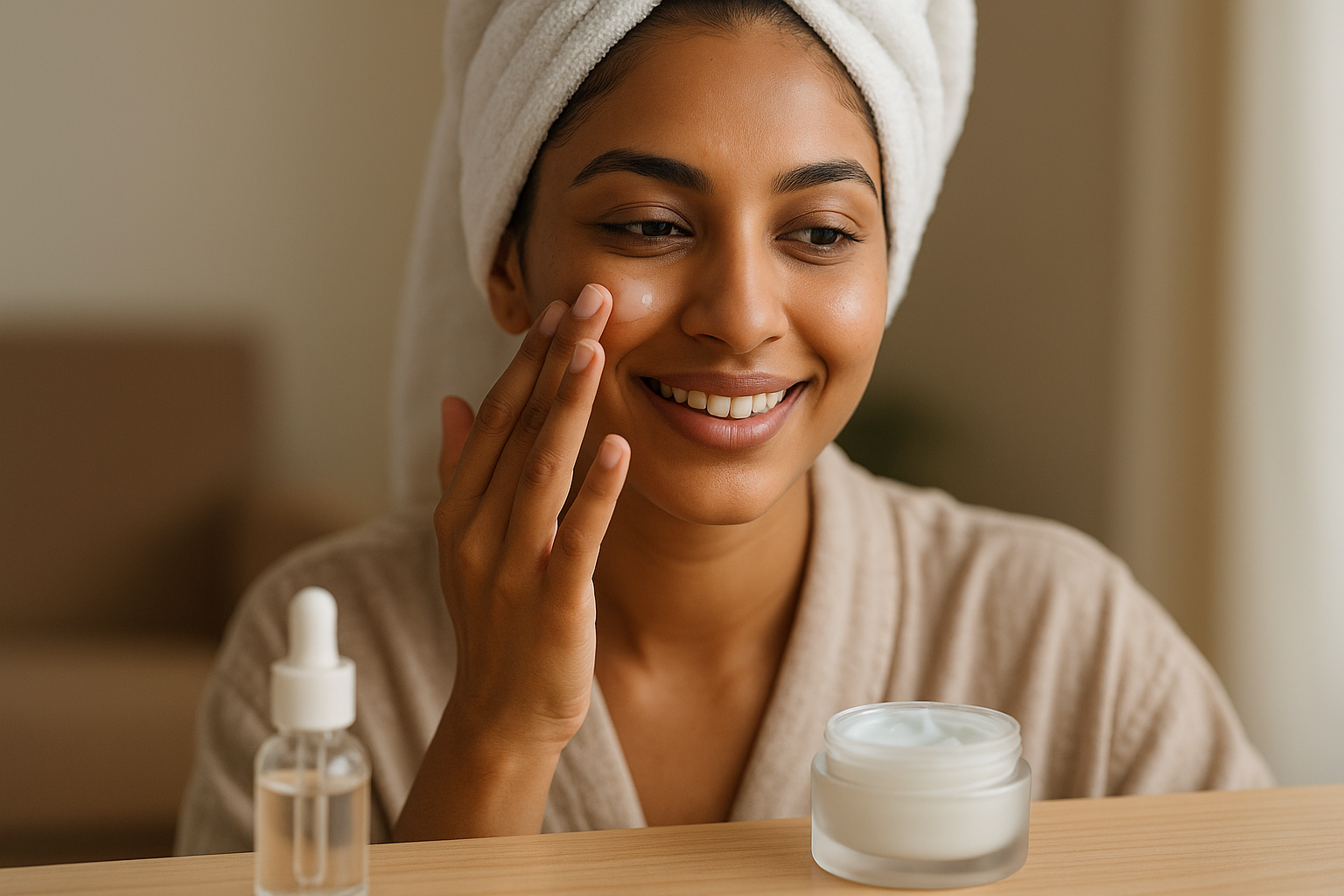
Less is often more when layering luxury products. Apply moisturizer to slightly damp skin to lock in hydration; warm a pea-sized amount between fingers and press rather than rub to aid absorption. For combination skin, use a lighter hand on the forehead, nose and chin and a touch more on dry cheeks. When introducing active serums—exfoliating acids, vitamin C or retinoids—allow them to absorb fully before moisturizing to prevent pilling. For localized dry patches, use a richer cream or balm only where needed, and reserve oil-based sealants for overnight use to avoid midday shine.
Shopping Tips: Samples, Seasonality and Sustainability
Investing in premium skincare is about sensory fit as much as ingredients. Request samples or travel sizes before committing to full sizes—luxury jars are an elevated purchase, and patching and in-person texture tests preserve both budget and skin harmony. Consider seasonal rotations: lighter gel-creams in summer, richer creams in winter, and hybrid formulas during transitional months. Finally, evaluate a brand’s sustainability practices—refill programs, recyclable packaging and ingredient sourcing—if those values matter to you; many high-end houses now combine luxury presentation with eco-conscious choices.
When to Seek Expert Advice and How to Trial New Products
If your combination skin becomes persistently reactive, excessively oily, or shows signs of congestion despite thoughtful product selection, consult a qualified skincare professional for personalised guidance. When trialling new high-end items, introduce one product at a time for a week or two to assess how your mixed zones respond. Keep a simple diary—note texture, shine levels, and any changes in dry patches—to refine your rotation. Thoughtful sampling prevents waste and ensures your final collection truly complements your personal skin landscape.
Frequently Asked Questions
Can I use a single moisturizer for both day and night?
Yes—many high-end moisturizers are designed for versatile use. For combination skin, choose a day-friendly texture (light cream or gel-cream) that layers under SPF, then add a richer cream or balm at night for targeted nourishment if needed. Alternatively, pick one balanced cream and adjust amount by area.
Are oils safe for combination skin?
Some facial oils, such as squalane and lightweight esters, are suitable for combination skin when used sparingly. Apply oils only where the skin needs extra barrier support—often the cheeks—and avoid heavy oils on the T-zone to prevent midday shine.
How do I know if a premium moisturizer is worth the price?
Consider texture, ingredient concentration, and lasting comfort. A higher price can reflect advanced delivery systems, rare actives or superior sensorial experience; samples and decants help determine whether the performance and ritual justify the investment for your unique skin needs.
How should I layer moisturizer with serums and SPF?
Apply water-based serums (hyaluronic acid, vitamin C) first, let them absorb, then smooth on your moisturizer to seal hydration. In the morning, finish with a broad-spectrum SPF as the final step; in the evening, replace SPF with any targeted night treatments or richer creams.
Recommended Product
Clé de Peau Beauté Full Skincare Set
We feature Clé de Peau Beauté Full Skincare Set as this article’s curated Amazon affiliate pick—a luxury-market reference that aligns with the editorial tone and routine ideas above. It gives readers a specific, high-quality option to explore when they are ready to shop. If you purchase through our links, we may earn a commission at no additional cost to you.
Final Thoughts
Discover the full edit and sample the textures that suit your mixed skin—explore our curated luxury picks and find the moisturizer that brings balance to your routine.