In this guide, we compare HADA LABO Gentle Hydrating Cleanser, DHC Deep Cleansing Oil, and TATCHA Camellia Cleansing Oil through the lens of best japanese cleansers for clear skin—the same trio you will see summarized in the comparison table below.
Japanese cleansers are prized for their textures, meticulous formulation and ability to fit into a considered routine. In this comparison-focused guide we test the trade-offs between oil-first cleansers like DHC Deep Cleansing Oil and Shu Uemura’s luxe oil, plus beloved foams such as Hada Labo Gokujyun and Shiseido Senka Perfect Whip. Read on for clear buying guidance: who each formula suits, how to use them in a double-cleanse, and which pick makes the most sense for your skin and lifestyle.
See a gentle, luxury cleanse worth comparing
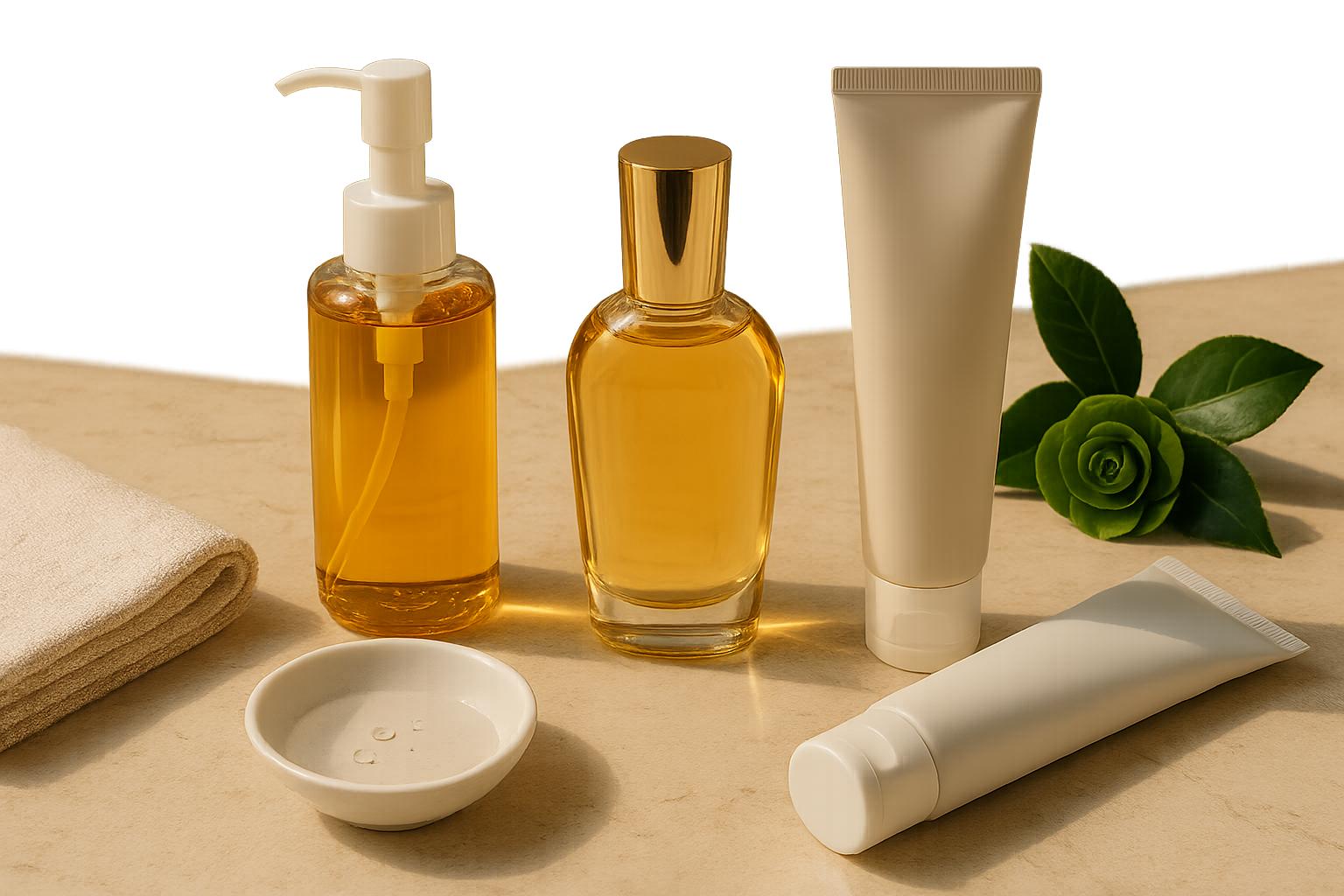
Why Japanese Cleansers Deserve a Place in Your Routine
Japanese cleansing culture tends to prioritise texture, layering and a gentle approach to removing impurities and makeup. Brands often specialise—some excel at silky oil cleansers that break down sunscreen and long-wear makeup, others produce cushiony foam that rinses clean without leaving tightness. What matters for everyday use is not gimmickry but how each formula balances efficacy with comfort: an oil that melts makeup without leaving residue; a foam that removes surface sebum yet preserves hydration. For women in their 30s to 50s, that balance can make a noticeable difference to how the skin looks and feels in the mirror, day to day.
Quick Comparison: Our Top Japanese Cleansers (Who They’re For)
We discipline the narrative around three concrete luxury references—HADA LABO Gentle Hydrating Cleanser, DHC Deep Cleansing Oil, and TATCHA Camellia Cleansing Oil. These are not background examples; they are the same formulas named again in the comparison table, so you are never reconciling one shortlist in the prose with a different roster later.
HADA LABO Gentle Hydrating Cleanser is the row we emphasize when skin that stings after cleansing, flushes easily, or feels hot when you add a new step lead the brief. In the table, that priority is labeled Easily irritated; editorially, Offers a clearly different angle from the other rows.
DHC Deep Cleansing Oil is the row we emphasize when lines that read deeper by evening, or a preference for a richer, weightier feel lead the brief. In the table, that priority is labeled Dull uneven tone; editorially, Offers a clearly different angle from the other rows.
TATCHA Camellia Cleansing Oil is the row we emphasize when skin that stings after cleansing, flushes easily, or feels hot when you add a new step lead the brief. In the table, that priority is labeled Deeper lines; editorially, Prioritizes thorough yet refined removal.
Continue exploring · To compare textures and intent across another guide, read Best Japanese Serums for Sensitive Skin in Your 40s: Luxury Picks That Truly Work
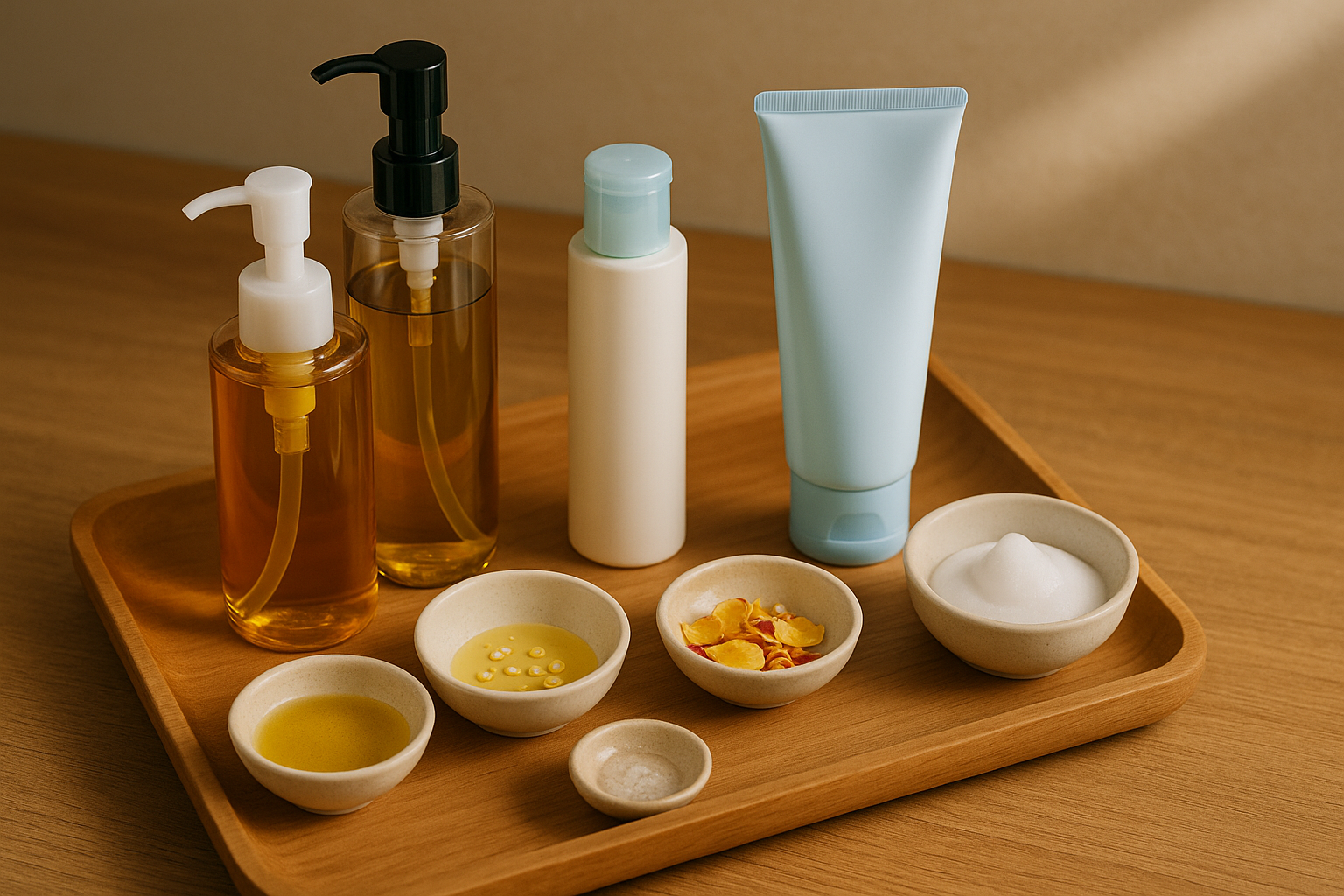
Move to the side-by-side view to choose with confidence
How to Choose: Which Formula Fits Your Skin and Routine
We discipline the narrative around three concrete luxury references—HADA LABO Gentle Hydrating Cleanser, DHC Deep Cleansing Oil, and TATCHA Camellia Cleansing Oil. These are not background examples; they are the same formulas named again in the comparison table, so you are never reconciling one shortlist in the prose with a different roster later.
HADA LABO Gentle Hydrating Cleanser is the row we emphasize when skin that stings after cleansing, flushes easily, or feels hot when you add a new step lead the brief. In the table, that priority is labeled Easily irritated; editorially, Offers a clearly different angle from the other rows.
DHC Deep Cleansing Oil is the row we emphasize when lines that read deeper by evening, or a preference for a richer, weightier feel lead the brief. In the table, that priority is labeled Dull uneven tone; editorially, Offers a clearly different angle from the other rows.
TATCHA Camellia Cleansing Oil is the row we emphasize when skin that stings after cleansing, flushes easily, or feels hot when you add a new step lead the brief. In the table, that priority is labeled Deeper lines; editorially, Prioritizes thorough yet refined removal.
How to Use Japanese Cleansers: Double-Cleansing, Application Tips and Timing
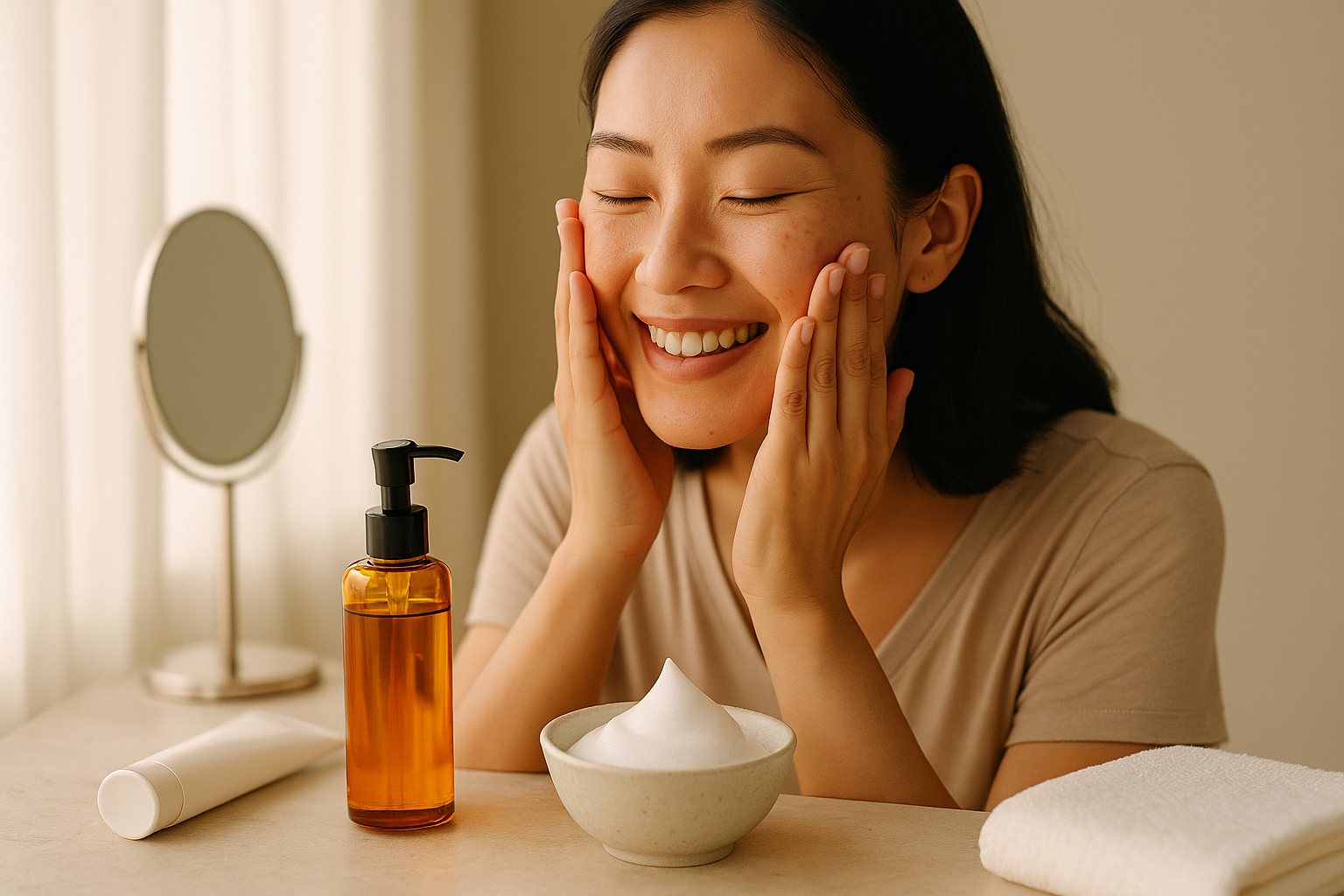
Double-cleansing is a practical routine many readers adopt: an oil cleanser first to dissolve makeup and sunscreen, then a water-based foam to cleanse without stripping. Here’s a simple, habit-friendly sequence:
1) Start dry: Dispense the oil (about a teaspoon) into dry hands and warm it between palms. Massage carefully onto dry face for 30–60 seconds, focusing on the eyes, lips and areas with makeup or sunscreen. DHC and Fancl both emulsify well with light water and rinse clean.
2) Emulsify and rinse: Add a little water to your hands, continue massaging to turn the oil milky, then rinse thoroughly. The oil-first step is about dissolving heavy products, not over-exfoliating.
3) Second cleanse: Use a pea-sized amount of your foam cleanser (Hada Labo or Senka) worked into a soft lather. Gently cleanse for 30 seconds to remove any film and residual sebum; avoid harsh scrubbing.
4) Pat dry and follow with toner/serum while skin is slightly damp.
Frequency notes: Double-cleansing is ideal in the evening or after wearing SPF/makeup. In the morning, a single gentle foam cleanse is often enough unless you slept in heavy products. For sensitive skin, shorten massage time and use lukewarm water—cold water can reduce product efficacy, while hot water may increase irritation.
In-Depth Reviews: Pros, Cons and Who Should Buy Each Pick
DHC Deep Cleansing Oil — Pros: olive-oil-rich melt that removes sunscreen and makeup smoothly; emulsifies cleanly; widely accessible. Cons: oil texture may feel heavy to those who dislike oils; some formulas contain fragrance. Who should buy: anyone seeking a dependable oil-first step that pairs well with a lightweight foam.
Shu Uemura Ultime8 Sublime Cleansing Oil — Pros: luxe sensory notes, silky finish and a blend of botanical oils for a pampering cleanse. Cons: premium price; the ritual texture may feel ‘too rich’ for very oily skin. Who should buy: readers looking for an indulgent, sensorial cleansing ritual and who value texture as part of skincare.
Fancl Mild Cleansing Oil — Pros: preservative-minimal formulation, low-irritant profile and excellent for reactive skin types. Cons: shorter shelf life and less convenient travel resilience. Who should buy: people prone to sensitivity who want a simple, effective oil cleanser.
Hada Labo Gokujyun Foaming Cleanser — Pros: hydrating foaming action that leaves skin soft, budget-friendly and widely recommended for layering with hydrating essences. Cons: thinner foam for those who prefer super-dense lather. Who should buy: anyone who prefers a hydrating foam as their morning or second-step cleanser.
Shiseido Senka Perfect Whip — Pros: rich, abundant lather that feels luxurious and cleans thoroughly; great value. Cons: dense foam can be too foamy for very dry skin if used alone. Who should buy: fans of rich lather and those with combination to slightly oily skin who enjoy a tactile cleansing experience.
Shopping Notes: Sizing, Authenticity and Where to Buy
Japanese cleansers are available through brand boutiques, travel retail, authorised online retailers and larger marketplaces. To protect purchases: buy from authorised sellers, check for batch codes and avoid suspiciously discounted sealed goods. Consider travel sizes when trying a new formula—Fancl in particular may arrive in smaller, refillable bottles due to its preservative-light nature. Note also regional packaging differences and ingredient lists; always cross-reference the formulation if fragrance or certain extracts concern you.
Final Verdict: Which One to Pick and Why
If you want a single, practical recommendation to start with, DHC Deep Cleansing Oil is a dependable choice for most readers: it balances efficacy, texture and availability and integrates easily into a double-cleanse. Choose Shu Uemura when you want a ritualised, luxury experience; opt for Fancl if sensitivity is a prime concern; select Hada Labo or Senka if you prefer foam as a primary or second-step cleanser. Ultimately, match the formula to your makeup habits, skin reaction history and how much time you want to spend on ritual versus quick efficiency.
The table below highlights who each formula is really for
Recommended Options Comparison
Each row is meant to read differently—if two lines sound identical, look at Texture and Ideal Concern first. Not medical advice; patch-test when unsure.
| Product | Best for | Texture | Ideal Concern | Why It Stands Out | Shop |
|---|---|---|---|---|---|
| HADA LABO Gentle Hydrating Cleanser | Easily irritated | Refined, prestige-market feel | Sensitivity, stress, barrier comfort | Offers a clearly different angle from the other rows—compare finish, intent, and where it sits in a ritual. | View on Amazon |
| DHC Deep Cleansing Oil | Dull uneven tone | Silky / melt-away | Clarifying which luxury lane fits your routine | Offers a clearly different angle from the other rows—compare finish, intent, and where it sits in a ritual. | View on Amazon |
| TATCHA Camellia Cleansing Oil | Deeper lines | Silky / melt-away | Tightness, dehydration, comfort | Prioritizes thorough yet refined removal—strong when SPF and pigment need a clean, elegant reset. | View on Amazon |
Editor notes on each pick
Short, decision-oriented context before you click through—still editorial, not a guarantee of results.
Worth considering when your face turns red after cleansing but you still want a polished, prestige finish.
Particularly practical when sunscreen and long-wear base products leave residue that still needs a luxe removal step.
Leans useful when smile lines stay visible at rest and you want a weightier, more substantial feel on the skin.
Continue exploring · If you want a second lens before you decide, see Oil vs Foam Cleansers: What Works Best for Mature Skin in Japanese Skincare?
How to Choose Among These Picks
A concise map—not a prescription. Use it alongside the comparison table and your own preferences.
- If your skin stings after cleansing, turns red easily, or feels hot when you add a new serum → consider HADA LABO Gentle Hydrating Cleanser. Worth considering when your face turns red after cleansing but you still want a polished, prestige finish.
- If your complexion looks dull and uneven—rough patches, shadowy zones, or tired color under natural light → consider DHC Deep Cleansing Oil. Particularly practical when sunscreen and long-wear base products leave residue that still needs a luxe removal step.
- If lines look deeper at the end of the day, or creases stay etched after you stop smiling → consider TATCHA Camellia Cleansing Oil. Leans useful when smile lines stay visible at rest and you want a weightier, more substantial feel on the skin.
Match by skin situation
Three reader profiles—not rigid rules. Use them to narrow the field, then cross-check with the table above.
- If your skin stings after cleansing, turns red easily, or feels hot when you add a new serum, start your shortlist with HADA LABO Gentle Hydrating Cleanser.
- If your complexion looks dull and uneven—rough patches, shadowy zones, or tired color under natural light, start your shortlist with DHC Deep Cleansing Oil.
- If lines look deeper at the end of the day, or creases stay etched after you stop smiling, start your shortlist with TATCHA Camellia Cleansing Oil.
Recommended Product
HADA LABO Gentle Hydrating Cleanser
Worth considering when your face turns red after cleansing but you still want a polished, prestige finish.
We feature HADA LABO Gentle Hydrating Cleanser as this article’s curated Amazon affiliate pick—a luxury-market reference that aligns with the editorial tone and routine ideas above. It gives readers a specific, high-quality option to explore when they are ready to shop. If you purchase through our links, we may earn a commission at no additional cost to you.
Final Thoughts
Curious which cleanser fits your routine? Explore DHC Deep Cleansing Oil and our other top picks to find the right match for your skin and lifestyle.
There is no one perfect serum — only the one that fits your skin today.
Frequently Asked Questions
Are Japanese oil cleansers good for acne-prone skin?
Many people with acne-prone skin find Japanese oil cleansers effective at removing oil-based sunscreen and makeup without harsh rubbing. Choose non-comedogenic formulas and look for lighter oil blends; if you’re worried about breakouts, test a small area first and follow with a gentle water-based cleanser.
How do I double cleanse with DHC Deep Cleansing Oil and a foam cleanser?
Start with DHC on dry skin: massage for 30–60 seconds to dissolve makeup, add a little water to emulsify, then rinse. Follow with a water-based foam like Hada Labo or Senka: work into a soft lather and cleanse for 30 seconds before rinsing. Pat dry and continue with serums or moisturizer.
Is Fancl Mild Cleansing Oil safe for sensitive or reactive skin?
Fancl Mild Cleansing Oil is formulated with minimal preservatives and fewer potential irritants, which many sensitive-skin readers appreciate. Because it has a shorter shelf life, buy from a trusted retailer and use within the recommended time after opening.
Can I use foam cleansers like Hada Labo in the morning and oil cleansers only at night?
Yes. A lightweight foam cleanser in the morning typically removes overnight sebum and is less likely to strip, while an oil cleanser at night helps remove SPF and makeup. Tailor frequency to how your skin responds.
Are premium Japanese cleansing oils worth the price compared with drugstore options?
Premium oils often offer more refined textures, botanical blends and packaging that enhance the ritual; drugstore options can still be effective. Consider whether texture, scent and formulation benefits are meaningful to your routine before choosing a luxury option.