In this guide, we compare shu uemura Cleansing Oil, TATCHA Camellia Cleansing Oil, and DHC Deep Cleansing Oil through the lens of best Japanese cleansing oils for dry skin in cold weather—the same three formulas you will see in the comparison table and Recommended Product section below.
This guide compares formulas by product type, texture, ingredient positioning, and routine fit. This is non-medical editorial guidance, not a diagnosis or treatment recommendation. Patch-test when introducing a new formula, especially if your skin is reactive.
For a cold-weather dry-skin routine, shu uemura Cleansing Oil is the best starting point. It is best suited to readers who want a balanced first cleanse with a clear makeup-removal role, although shoppers seeking the most cushiony sensorial finish may prefer TATCHA Camellia Cleansing Oil. This guide compares shu uemura Cleansing Oil, TATCHA Camellia Cleansing Oil, and DHC Deep Cleansing Oil through slip, rinse behavior, and the amount of massage needed, so the recommendation is based on routine fit rather than prestige alone.

The Quick Verdict
Start with TATCHA Camellia Cleansing Oil if your priority is a cushiony, elegant first cleanse that emulsifies with minimal rubbing. Choose shu uemura Cleansing Oil when its format or finish better matches your habits, and consider DHC Deep Cleansing Oil when its more specific role solves the problem you actually notice. The useful question is not which product sounds most luxurious; it is which one earns a repeatable place in cold evenings, indoor heating, and layered daytime products. A product that requires extra rubbing, waiting, or corrective layering can be a poor value even when the formula itself is appealing.
The three choices occupy distinct lanes. TATCHA Camellia Cleansing Oil offers the most balanced answer to this search intent. shu uemura Cleansing Oil is the deliberate alternative for a shopper who values a different sensorial experience. DHC Deep Cleansing Oil makes sense when practicality or a narrower need matters more than ceremony. None is universally best, and each asks the buyer to accept a trade-off. That clarity is what makes a premium purchase easier to live with after the initial excitement fades.
How to Choose by Texture, Timing, and Routine Role
Texture and ingredient positioning often decide the fit between shu uemura Cleansing Oil, TATCHA Camellia Cleansing Oil, and DHC Deep Cleansing Oil. Below is a texture-focused read based on ingredient lists and product positioning—not hands-on testing claims.
shu uemura Cleansing Oil reads as silky / melt-away with makeup and spf removal focus. Trade-off to note: needs thorough rinse; not ideal for very reactive skin.
TATCHA Camellia Cleansing Oil reads as silky / melt-away with makeup and spf removal focus. Trade-off to note: needs thorough rinse; not ideal for very reactive skin.
DHC Deep Cleansing Oil reads as silky / melt-away with makeup and spf removal focus. Trade-off to note: needs thorough rinse; not ideal for very reactive skin.
Continue exploring · To compare textures and intent across another guide, read Best Japanese Cleansing Oils for Dry, Mature Skin
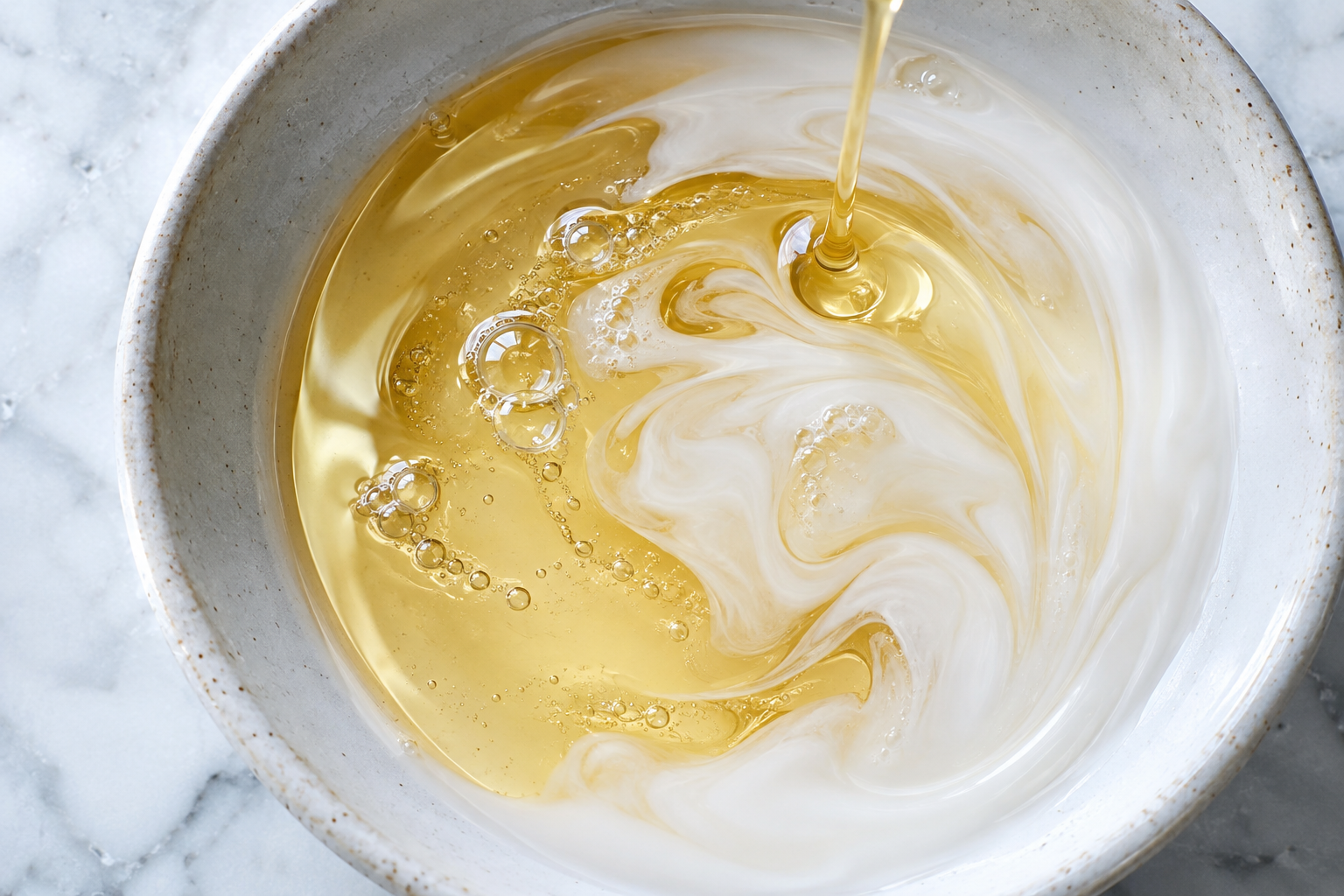
See how these three picks diverge in the comparison
Best Overall: shu uemura Cleansing Oil
TATCHA Camellia Cleansing Oil is the clearest starting point. Consider it through the article’s core buying lens: slip, rinse behavior, and the amount of massage needed. It belongs in the same conversation as the other two choices, but it should not be treated as interchangeable. Check the current Amazon listing for size, seller, availability, and price before purchasing, because those details can change. The best choice is the one whose texture and role remove friction from a routine you already follow.
The reason it leads is fit, not a claim of universal superiority. Its profile most directly answers the article promise while leaving room to adjust amount and placement. The principal caution is equally important: its richer sensorial profile may feel more elaborate than a quick, utilitarian cleanse. If that trade-off describes something you already dislike, move to one of the alternatives rather than trying to force the recommendation to work. A premium product should simplify the routine, not demand that the routine be redesigned around it.
Which of the Three Fits You Best?
shu uemura Cleansing Oil is the strongest alternative for a different finish. Consider it through the article’s core buying lens: slip, rinse behavior, and the amount of massage needed. It belongs in the same conversation as the other two choices, but it should not be treated as interchangeable. Check the current Amazon listing for size, seller, availability, and price before purchasing, because those details can change. The best choice is the one whose texture and role remove friction from a routine you already follow.
DHC Deep Cleansing Oil is the option for shoppers with a more specific routine preference. Consider it through the article’s core buying lens: slip, rinse behavior, and the amount of massage needed. It belongs in the same conversation as the other two choices, but it should not be treated as interchangeable. Check the current Amazon listing for size, seller, availability, and price before purchasing, because those details can change. The best choice is the one whose texture and role remove friction from a routine you already follow.
A useful final test is to imagine using the product on an unremarkable weekday. If the application time, finish, and follow-up steps still sound appealing, the choice is probably grounded in habit rather than novelty. If only the special-occasion version of the routine feels convincing, select the smaller commitment when the listing offers one. The goal is a satisfying purchase with a clear role, not the largest possible collection.

A Practical First-Week Routine
Keep the surrounding routine stable for several days. Introduce the product in the simplest version of its intended role, use a modest amount, and avoid adding other unfamiliar products at the same time. This makes texture, finish, and compatibility easier to judge without pretending that a short trial proves long-term results. Pay attention to comfort, residue, pilling, and whether you naturally reach for the step again.
Adjust one variable at a time. If the finish is heavy, reduce the amount or use it only where needed. If the result feels too light, examine the final cream or the amount of time allowed between layers before immediately adding more. For daytime use, test the complete sequence on a low-pressure day before relying on it beneath makeup or during travel. For evening use, check how the skin and pillowcase feel the next morning. These ordinary observations are more useful for buying decisions than dramatic promises.
If discomfort occurs, stop and return to a familiar routine. Cosmetic products do not need to be endured to justify their price. The best premium choice is one that feels easy, predictable, and proportionate to the benefit you value.
Buying Notes Before You Check Out
Amazon listings can change, so treat the product page as the final source for size, seller, availability, and current price. Compare the unit or set contents rather than relying on the hero image. Confirm that the name matches exactly, especially when families contain several textures or versions. If packaging differs from the imagery you recognize, review the listing details and seller information carefully before ordering.
Choose TATCHA Camellia Cleansing Oil for the most direct route to removing long-wear daytime layers while keeping a dry-skin routine comfortable. Choose shu uemura Cleansing Oil if its specific texture or use pattern better matches your routine. Choose DHC Deep Cleansing Oil if its narrower strength is the missing piece you can describe clearly. That final distinction protects against buying three products that perform overlapping jobs. A thoughtful shortlist should reduce indecision, not create a new reason to overbuy.
Use the comparison to match texture and intent to your routine
Side-by-Side Comparison (Three Formulas)
Start with your skin priority and the trade-off you can accept; price and availability are confirmed on Amazon.
shu uemura Cleansing Oil
TATCHA Camellia Cleansing Oil
DHC Deep Cleansing Oil
Editor notes on each pick
Short, decision-oriented context before you click through—still editorial, not a guarantee of results.
A strong editorial fit if your face stings when you rinse, or turns blotchy minutes after a new step.
A good fit if your skin feels tight and looks flat by afternoon, especially when sleep has been uneven.
Leans useful when smile lines stay visible at rest and you want a weightier, more substantial feel on the skin.
Continue exploring · If you want a second lens before you decide, see shu uemura vs TATCHA vs DHC Cleansing Oils for Dull, Dry Skin
Final Recommendation
A concise map—not a prescription. Use it alongside the comparison table and your own preferences.
- If your skin stings after cleansing, turns red easily, or feels hot when you add a new serum → consider shu uemura Cleansing Oil. A strong editorial fit if your face stings when you rinse, or turns blotchy minutes after a new step.
- If your complexion looks dull and uneven—rough patches, shadowy zones, or tired color under natural light → consider TATCHA Camellia Cleansing Oil. A good fit if your skin feels tight and looks flat by afternoon, especially when sleep has been uneven.
- If lines look deeper at the end of the day, or creases stay etched after you stop smiling → consider DHC Deep Cleansing Oil. Leans useful when smile lines stay visible at rest and you want a weightier, more substantial feel on the skin.
Recommended Product
shu uemura Cleansing Oil
shu uemura Cleansing Oil makes sense when you accept the trade-off (needs thorough rinse; not ideal for very reactive skin) but still want a focused first purchase from this shortlist.
Best for readers seeking a balanced first cleanse with a clear makeup-removal role and a gentle sensorial profile. It fits cold evenings and indoor heating, though shoppers wanting the most cushiony feel may prefer the camellia option. Check the current listing for size, seller, availability, and price.
Check Price & Availability on Amazon
Price and availability can change. Opens Amazon in a new tab.
Final Thoughts
Compare the three routine fits and choose the option that feels easiest to use consistently.
There is no one perfect cleanser — only the one that fits your skin today.
Price and availability can change. Opens Amazon in a new tab.
Frequently Asked Questions
Which option is the best starting point for this routine?
TATCHA Camellia Cleansing Oil is the best starting point for the search intent because it offers a cushiony, elegant first cleanse that emulsifies with minimal rubbing. The main trade-off is that its richer sensorial profile may feel more elaborate than a quick, utilitarian cleanse.
How do shu uemura Cleansing Oil and DHC Deep Cleansing Oil differ from the top pick?
shu uemura Cleansing Oil is the alternative when its format and sensorial profile better match your habits. DHC Deep Cleansing Oil is better considered for a more specific routine preference. Compare amount, finish, and the steps used immediately before and after.
Should I buy more than one of the three products?
Usually not at first. Choose the product that fills the clearest routine gap, keep the rest of the routine stable, and learn whether that format is enjoyable before adding an overlapping option.
What should I verify on the Amazon listing?
Check the exact name, size, seller, current price, availability, and set contents where applicable. These details can change, so verify them at checkout rather than treating them as fixed.