Many women in their 40s notice skin that is both more delicate and less forgiving. This article compares four luxury Japanese serums that are commonly recommended for sensitive, mature skin—examining textures, ingredient priorities, and who should lean toward each formula. You’ll leave knowing which serum suits your specific sensitivity profile and how to introduce it into a calm, effective routine.
Explore a treatment-step serum worth a closer look
Why Japanese serums are worth considering if your skin is sensitive in your 40s
Japanese skincare has a long tradition of lightweight, texture-forward formulations that emphasise hydration, gentle actives, and ritual. For women in their 40s, what often matters most is restoring elasticity and evenness without provoking redness, stinging, or barrier disruption. Many Japanese luxury serums take a layered, minimalist approach—small-but-potent concentrations, calming botanicals, and textures designed to absorb quickly under creams or oils. This section sets the frame: expect trade-offs between potency and tolerance, and prioritise what your skin reliably accepts over marketing claims.
The contenders — four luxury Japanese serums, at a glance
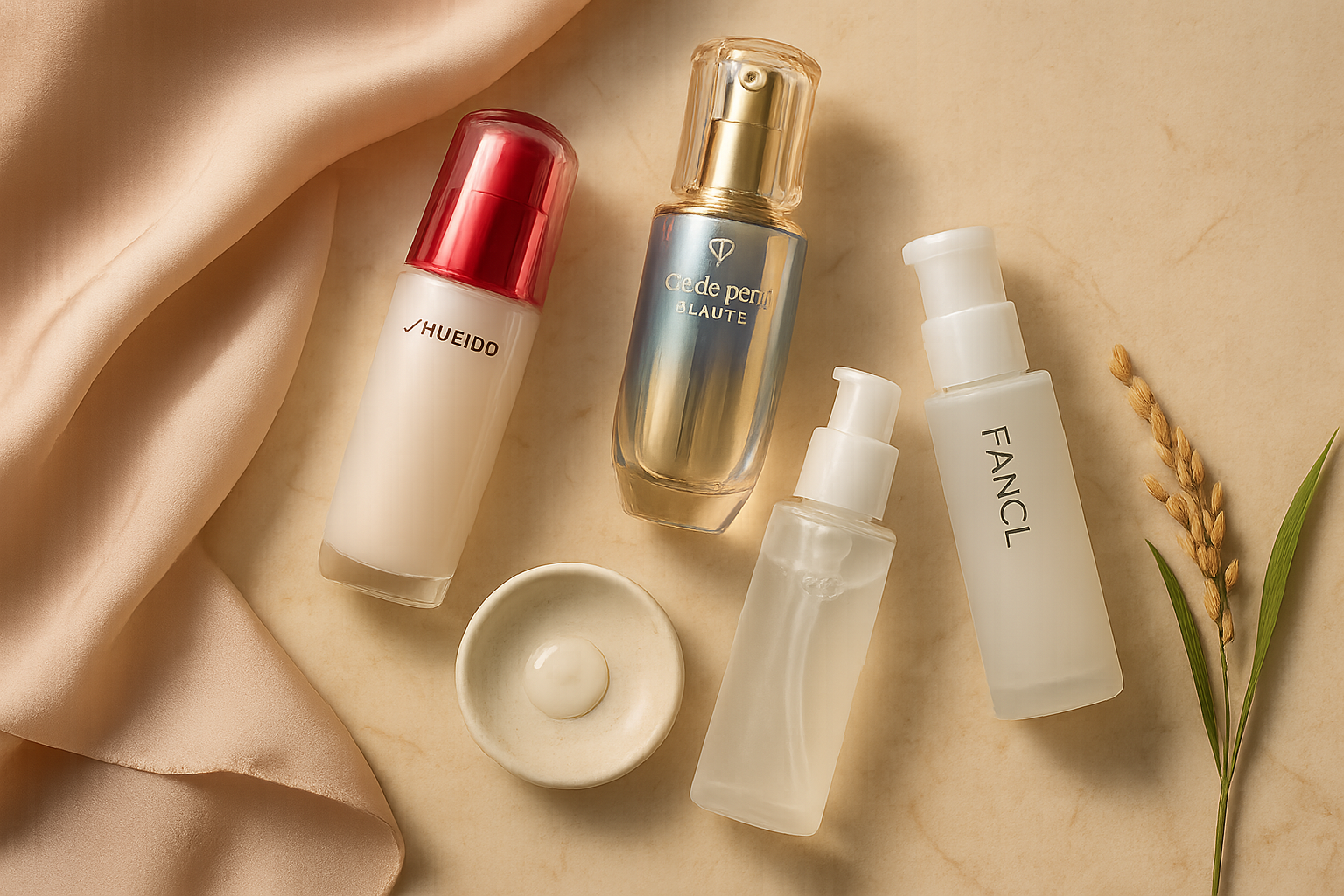
Here are four distinct luxury formulas we compare in this guide. Each entry includes the formula’s tonal focus, key texture notes, and the typical sensitive-skin profile that would find it most appealing.
1) Shiseido Vital-Perfection Uplifting and Firming Serum — Focus: firming and radiance; texture: silky, fast-absorbing. Best for readers who want an elegant anti-sagging option with a refined fragrance profile and proven sensorial luxury. Tolerance-wise, suited to those whose skin tolerates light fragrances and cosmetic actives.
2) Clé de Peau Beauté The Serum — Focus: luminous, strengthening; texture: luminous gel-serum. Best for those prioritising a smoothing, radiant base that layers under cream without pilling. Generally well-tolerated but higher price point.
3) Hada Labo Gokujyun Premium Hyaluronic Acid Serum — Focus: hydration; texture: water-gel, zero-frills. Best for sensitised skin that needs plump hydration and minimal extras. Fragrance-free and straightforward formulation makes it a gentle workhorse.
4) FANCL Enrich Lift Serum (or FANCL Wrinkle Repair type) — Focus: targeted anti-ageing with preservative-free promise; texture: lightweight lotion-serum. Best for truly reactive skin that flares with preservatives or fragrance; the no-preservative approach reduces some irritation risks but requires careful storage.
Each product trades off potency, texture, and sensory luxury against compatibility with sensitive skin. Later sections break down those trade-offs in more detail so you can decide which matters most for your routine.
Continue exploring · For a more complete luxury routine, see How to Choose a Japanese Serum for Sensitive Skin in Your 40s: A Luxury Guide to the Right Formula
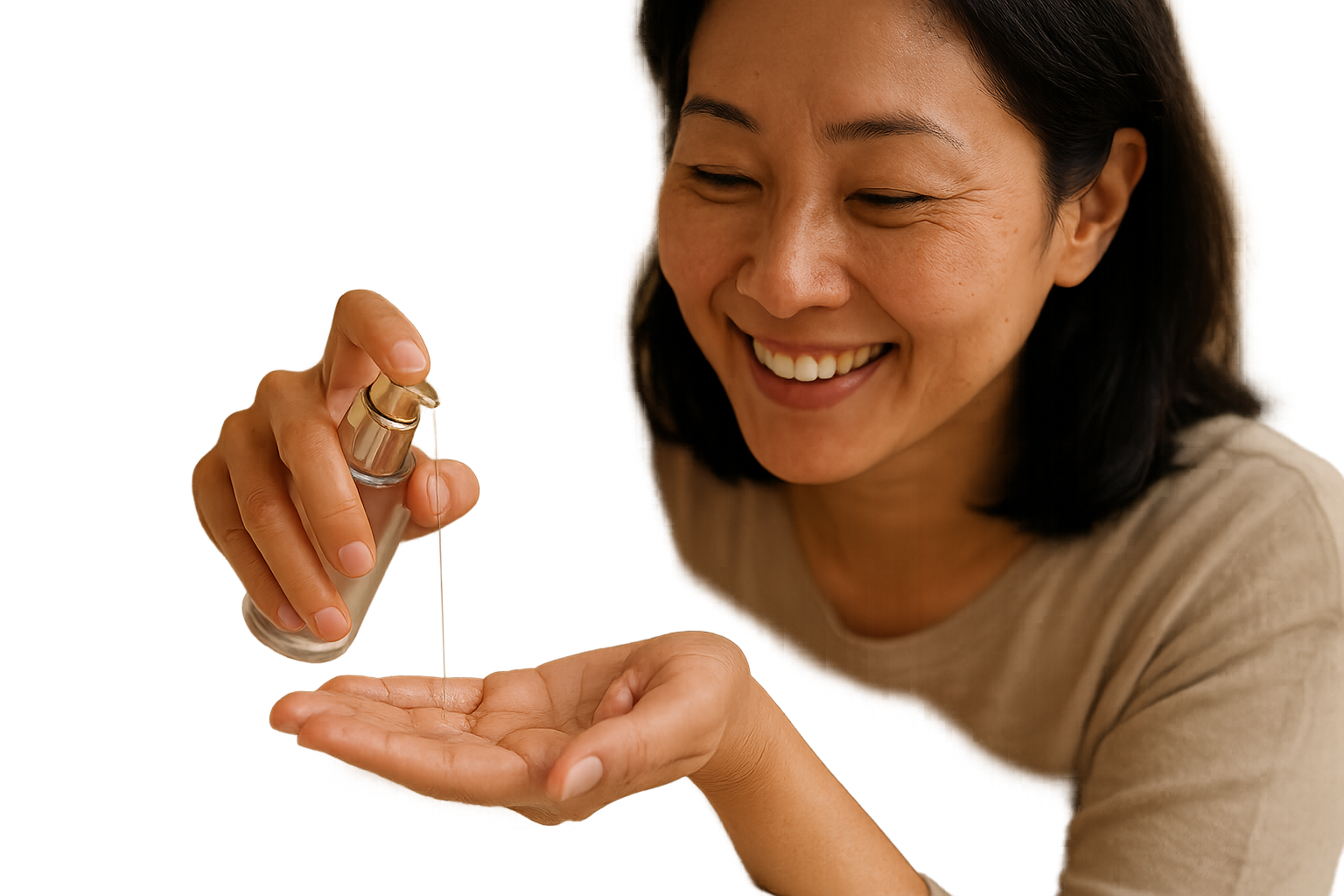
Compare textures and positioning across three serum picks
How to choose: the practical decision checklist for sensitive, maturing skin
What often matters most is a clear checklist you can apply when scanning claims or ingredients. Use these decision points in order of priority:
1) Tolerance history: if you’ve reacted before to fragrance, essential oils, or high-concentration acids, eliminate perfumed or heavily active serums first. Choose fragrance-free, low-irritant options like Hada Labo or FANCL’s preservative-free ranges.
2) Primary skin need: do you want hydration, lifting/firming, or a brighter tone? Hydration-first often helps sensitivity—look for hyaluronic acids and glycerin. If firmness or radiance is the priority, choose formulas with targeted peptides or proprietary actives but accept a slightly higher risk of sensitivity.
3) Texture preference and layering: serums that absorb quickly (silky or water-gel) are easier to layer under moisturisers and sunscreens typical in mature routines. Rich serums or oil-serums can feel nourishing but may interfere with sunscreen application.
4) Ingredient red flags: avoid strong AHAs/BHAs or high-concentration vitamin C if your skin flares; look instead for stable, gentle derivatives (low-dose tranexamic acid, magnesium ascorbyl phosphate) and calming botanicals like rice bran or green tea extracts.
5) Packaging and shelf-life: preservative-free or low-preservative formulas can be kinder to sensitive skin but require airtight packaging and refrigeration to maintain safety. Decide how disciplined you are with storage.
6) Price vs frequency: a high-end serum used sparingly (alternate nights or short-term layering) can be kinder than daily use of a cheaper, more irritating product. Think in terms of tolerance, not only price-per-ounce.
Applying this checklist to the four contenders helps you narrow quickly: Hada Labo for hydration and safety, FANCL for preservative-free sensitivity, Shiseido for a sensorial firming option if you tolerate fragrance, and Clé de Peau for a luminous, high-end all-rounder.
Detailed trade-offs: who should pick which serum and why
Compare core trade-offs honestly—no single serum suits every sensitive 40-something. Below are scenario-based recommendations.
If your main issue is dryness with occasional sensitivity: choose Hada Labo Gokujyun Premium. It delivers multi-weight hyaluronic acids, straightforward emollients, and minimal extras. Trade-off: less ‘anti-ageing’ marketing but high compatibility and layering ease.
If you want luxurious sensorial experience with targeted lifting and you rarely react to fragrance: Shiseido Vital-Perfection is a fine choice. Trade-off: a higher price and a slightly more complex ingredient list that may be unsuitable for very reactive skin.
If you have reactive skin that flares with preservatives or fragrance: FANCL’s preservative-free serums are designed to minimise triggers. Trade-off: more careful storage and a slightly shorter open-life once you start using the bottle.
If you prioritise luminosity and don’t mind investing: Clé de Peau’s serum combines light-reflecting finish with resilience-focused actives. Trade-off: steep price and the potential for sensitivity in very reactive skin due to richer actives.
How to choose between two you’re considering: patch-test behind the ear or along the jaw for 5–7 days; start at every-other-night if you’re introducing an active; if no reaction, move to nightly. That practical, patient approach is the best insurance for sensitive mature skin.
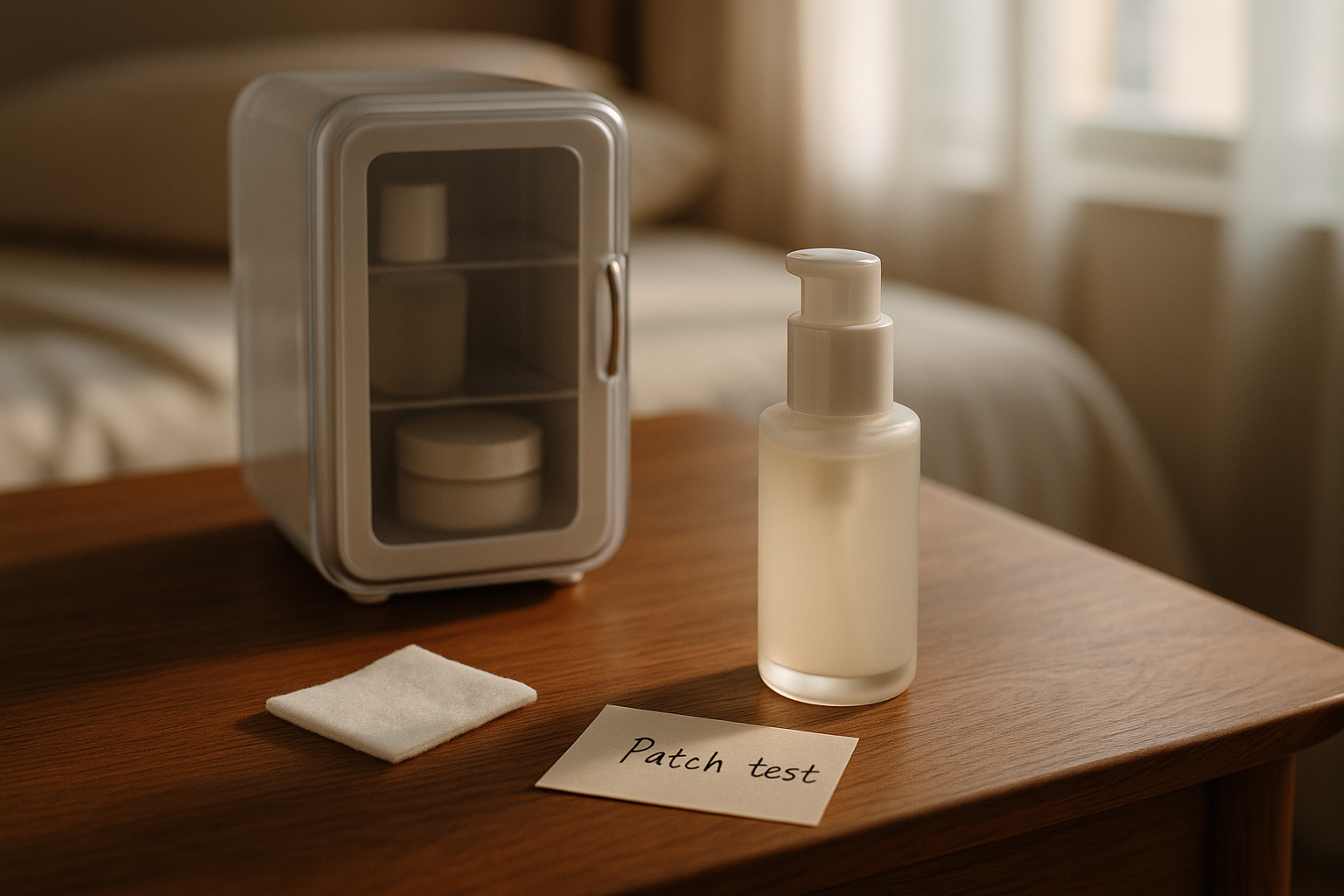
Routine placement and practical layering tips for sensitive skin in your 40s
Where a serum sits in your routine affects both efficacy and tolerance. For most sensitive, mature routines follow this order: cleanse → tone/soft hydrate → serum → eye care → emulsion/cream → sunscreen (AM).
A few guiding principles:
– Apply serums to damp skin to amplify hydration benefits without raising concentration of actives.
– If using a fragrance-containing luxury serum, pair it with an unscented, calming cream to temper potential irritation.
– Don’t mix multiple potent actives at once—rotate a firming serum with a hydrating serum or alternate nights to avoid cumulative irritation.
– If you wear retinoids or strong actives, avoid layering them the same night as an active anti-ageing serum; choose gentle hydrators on retinoid nights.
– Sunscreen is non-negotiable in the morning. Lightweight serums that absorb quickly often sit best beneath broad-spectrum SPF without pilling.
These small routine choices often determine whether a serum becomes a ritual or a source of flare-ups.
Final picks and shopping notes: splitting by tolerance and goals
To translate the discussion into simple shopping guidance:
– Best for reactive, hydration-first needs: Hada Labo Gokujyun Premium Hyaluronic Acid Serum — reliable, affordable, fragrance-free.
– Best preservative-free option for highly sensitive skin: FANCL Enrich Lift / preservative-free range — great for those who prefer minimalist packaging and careful storage.
– Best luxury firming pick for tolerant sensitive skin: Shiseido Vital-Perfection Uplifting and Firming Serum — sensorial, targeted anti-ageing with a silkier finish.
– Best luminous, splurge choice: Clé de Peau Beauté The Serum — for someone seeking refined radiance and willing to invest.
Shopping notes: buy from authorised retailers with clear return policies; if the brand offers sample sizes, use them first. When possible, choose airless pump packaging to protect active stability. Finally, plan to introduce any new serum over 3–4 weeks so you can identify benefit versus irritation without confusing both.
Compare three recommended options in the table below
Recommended Options Comparison
Each row is meant to read differently—if two lines sound identical, look at Texture and Ideal Concern first. Not medical advice; patch-test when unsure.
| Product | Best for | Texture | Ideal Concern | Why It Stands Out | Shop |
|---|---|---|---|---|---|
| POLA B.A Serum | Deeper lines | Light / layerable | Firmness, resilience, graceful aging focus | Sits in a more maximal, prestige lane—appealing when you want a richer, age-supportive feel. | View on Amazon |
| SK-II Facial Treatment Essence | Dull uneven tone | Refined, prestige-market feel | Dullness, uneven tone, lack of glow | Leans into luminous, texture-forward storytelling—often chosen when glow reads as the priority. | View on Amazon |
| SHISEIDO Ultimune Power Infusing Concentrate | Easily irritated | Refined, prestige-market feel | Sensitivity, stress, barrier comfort | Frames daily defense and prep as the hero—useful when consistency and comfort anchor the routine. | View on Amazon |
Editor notes on each pick
Short, decision-oriented context before you click through—still editorial, not a guarantee of results.
Especially relevant if fine lines look more obvious when skin is dry, tired, or you have been in dry air all day.
A good fit if your skin feels tight and looks flat by afternoon, especially when sleep has been uneven.
Worth a closer look if cleansing leaves you tight and drawn, or crow’s-feet look carved in until midday.
Continue exploring · To compare textures and intent across another guide, read Find Your Perfect Japanese Serum for Sensitive Skin in Your 40s: Luxury Picks and How to Choose
Our Closing Take for Different Priorities
A concise map—not a prescription. Use it alongside the comparison table and your own preferences.
- If your skin stings after cleansing, turns red easily, or feels hot when you add a new serum → consider SHISEIDO Ultimune Power Infusing Concentrate. Worth a closer look if cleansing leaves you tight and drawn, or crow’s-feet look carved in until midday.
- If your complexion looks dull and uneven—rough patches, shadowy zones, or tired color under natural light → consider SK-II Facial Treatment Essence. A good fit if your skin feels tight and looks flat by afternoon, especially when sleep has been uneven.
- If lines look deeper at the end of the day, or creases stay etched after you stop smiling → consider POLA B.A Serum. Especially relevant if fine lines look more obvious when skin is dry, tired, or you have been in dry air all day.
Match by skin situation
Three reader profiles—not rigid rules. Use them to narrow the field, then cross-check with the table above.
- If your skin stings after cleansing, turns red easily, or feels hot when you add a new serum, start your shortlist with SHISEIDO Ultimune Power Infusing Concentrate.
- If your complexion looks dull and uneven—rough patches, shadowy zones, or tired color under natural light, start your shortlist with SK-II Facial Treatment Essence.
- If lines look deeper at the end of the day, or creases stay etched after you stop smiling, start your shortlist with POLA B.A Serum.
Recommended Product
POLA B.A Serum
Especially relevant if fine lines look more obvious when skin is dry, tired, or you have been in dry air all day.
We feature POLA B.A Serum as this article’s curated Amazon affiliate pick—a luxury-market reference that aligns with the editorial tone and routine ideas above. It gives readers a specific, high-quality option to explore when they are ready to shop. If you purchase through our links, we may earn a commission at no additional cost to you.
Final Thoughts
If you’re ready to explore one of these Japanese serums, consider starting with a sample or travel size—test it gently, and shop authorised retailers for secure returns and authentic products.
There is no one perfect serum — only the one that fits your skin today.
Frequently Asked Questions
Can a Japanese serum reduce redness if my skin is sensitive in my 40s?
Many Japanese serums prioritise hydration and gentle anti-inflammatory botanicals that can help the overall appearance of redness, but individual responses vary. Look for fragrance-free formulas and soothing ingredients (like green tea, ceramides, or rice-derived extracts). Introduce a new product gradually and patch-test to see how your skin responds.
Is fragrance in luxury Japanese serums usually a problem for sensitive skin?
Fragrance can increase the risk of irritation for sensitive skin. Some luxury Japanese serums include subtle scents as part of their sensorial experience; others are fragrance-free. If you have a history of reactions, prioritise fragrance-free lines or test a sample before committing to a full bottle.
How should I introduce a new anti-ageing serum into a routine that includes retinol or prescription retinoids?
When combining an anti-ageing serum with retinoids, reduce overlap by alternating nights or using the serum on non-retinoid evenings. If the serum is hydrating and mild, you may be able to use both, but start slowly and watch for dryness or irritation. Gentle layering and sunscreen in the morning will help maintain skin comfort.
Which ingredients should women in their 40s with sensitive skin seek out or avoid in Japanese serums?
Seek out hydrating humectants (multi-weight hyaluronic acids, glycerin), ceramides, peptides, and calming botanical extracts. Exercise caution with high-concentration AHAs/BHAs, strong vitamin C forms, and essential oils if you’ve reacted to them before. Packaging and preservative choices also matter for sensitive skin.