Many women in their 40s find their skin becomes both drier and more reactive; what often matters most is a serum that hydrates, soothes and layers cleanly with other products. Japanese serums can offer precisely tuned textures, minimalist packaging and ingredient focus that suits sensitive, mature skin. This guide compares luxury Japanese options, explains how to choose by concern and texture, and helps you pick the product that fits your day-to-day routine.
See a J-beauty hero product that anchors this ritual
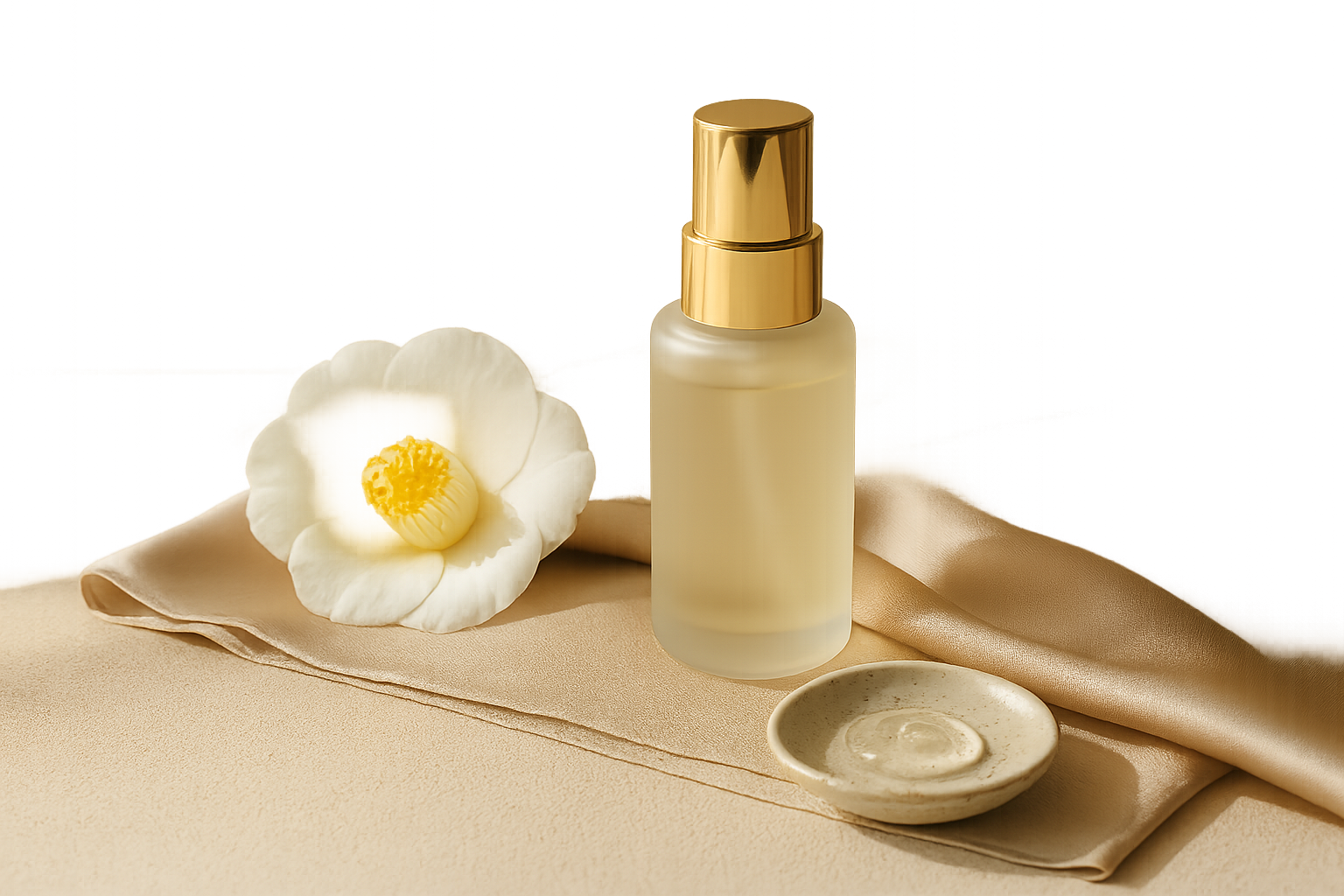
Why Japanese Serums Appeal to Sensitive Skin in Your 40s
Japanese beauty often prizes refined textures, calm formulations and ritual layering — qualities that can suit sensitive, maturing skin. Many brands prioritize gentle humectants, low-irritant smoothing agents and thoughtful scent choices. What matters for women in their 40s is balance: a serum should deliver targeted support (hydration, radiance, resilience) without disrupting the skin’s barrier or creating overload when layered under richer creams. Expect elegant, spreadable textures and concentrated but uncomplicated ingredient lists that are designed to fit into a multi-step routine.
Quick Guide: How to Choose a Japanese Serum for Sensitive, Mature Skin
Start with your primary concern — hydration, calming redness, or skin elasticity — then match texture and actives. For sensitive skin, prefer lower fragrance levels or fragrance-free options, gentle humectants such as hyaluronic acid, and anti-irritant botanicals like green tea extract or rice-derived peptides. Decide on texture based on climate and routine: lightweight gel-serums layer beautifully under daytime SPF, while richer emulsions suit dry evenings. Packaging matters: airless pumps and opaque bottles reduce oxidation and contamination risk, which helps sensitive formulas stay stable. Finally, weigh price against trialability — look for sample sizes or travel kits so you can patch-test without committing to a full bottle. The trade-offs are usually: ultra-luxury concentrations vs. more accessible, routine-friendly options; scented formulations that offer a sensorial experience vs. fragrance-free picks better for reactivity.
Continue exploring · When you want a gentler, more reassuring editorial angle, open How to Choose a Japanese Serum for Sensitive Skin in Your 40s: A Luxury Guide to the Right Formula
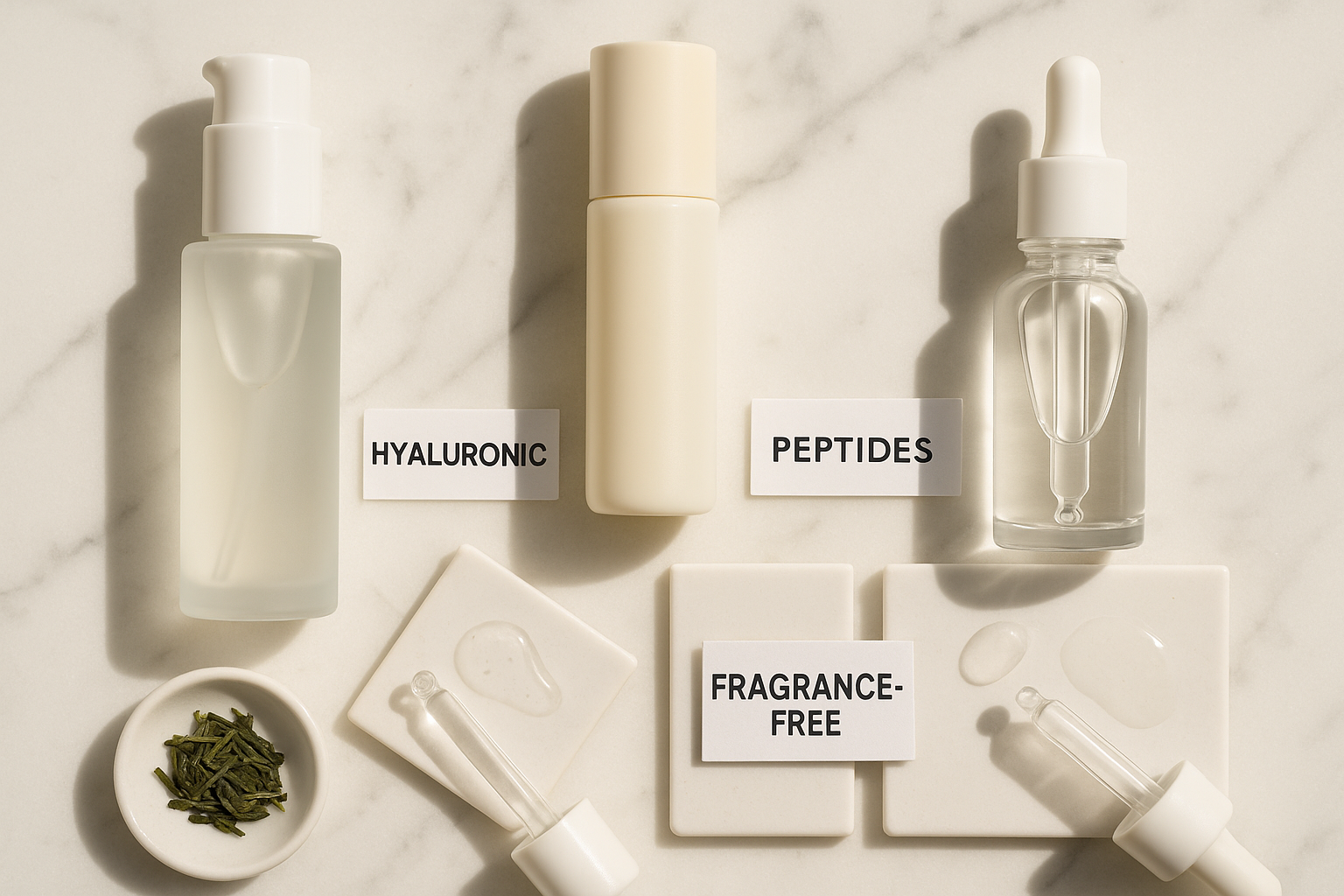
Compare three ritual-ready products from the luxury aisle
Top Luxury Japanese Serums for Sensitive Skin in Your 40s — A Comparative Overview
Below are carefully chosen luxury options with concise trade-offs and who each one suits. Read each blurb for the formula’s personality and how it fits into a real routine.
– Shiseido Ultimune Power Infusing Concentrate — Trade-offs: polished everyday serum that layers well; not explicitly fragrance-free. Who it suits: someone after a reliable, lightweight daily serum that supports resilience and pairs with active treatments.
– Clé de Peau Beauté The Serum — Trade-offs: very luxe, premium price and sensorial finish; richer than a thin gel. Who it suits: readers who prioritize an indulgent texture and have a mature-skin budget for a ritualistic step.
– Sensai (Kanebo) The Serum EX — Trade-offs: ultra-refined silk-feel formula with a focus on silky hydration; premium cost and a signature sensory profile. Who it suits: those who want a silk-textured serum that enhances layering and complements gentle creams.
– POLA B.A. The Serum — Trade-offs: highly concentrated with advanced tech and a high price point; may feel heavier for very oily types. Who it suits: women seeking a potent luxury step in their evening routine and comfortable with a rich, emollient finish.
– Hada Labo Gokujyun (premium hyaluronic options) — Trade-offs: more affordable, focused on hydration rather than indulgent sensorials; simpler packaging. Who it suits: budget-conscious readers who want effective humectant-rich hydration that plays well under heavier creams.
Each option has strengths: choose a lighter gel-serum if you wear makeup and SPF daily; select a richer, creamier serum for dry nights. If sensitivity is a priority, lean toward fragrance-free or low-fragrance formulations and select pump packaging to minimise contamination risk.
Layering and Routine: How to Use a Japanese Serum in Morning and Evening
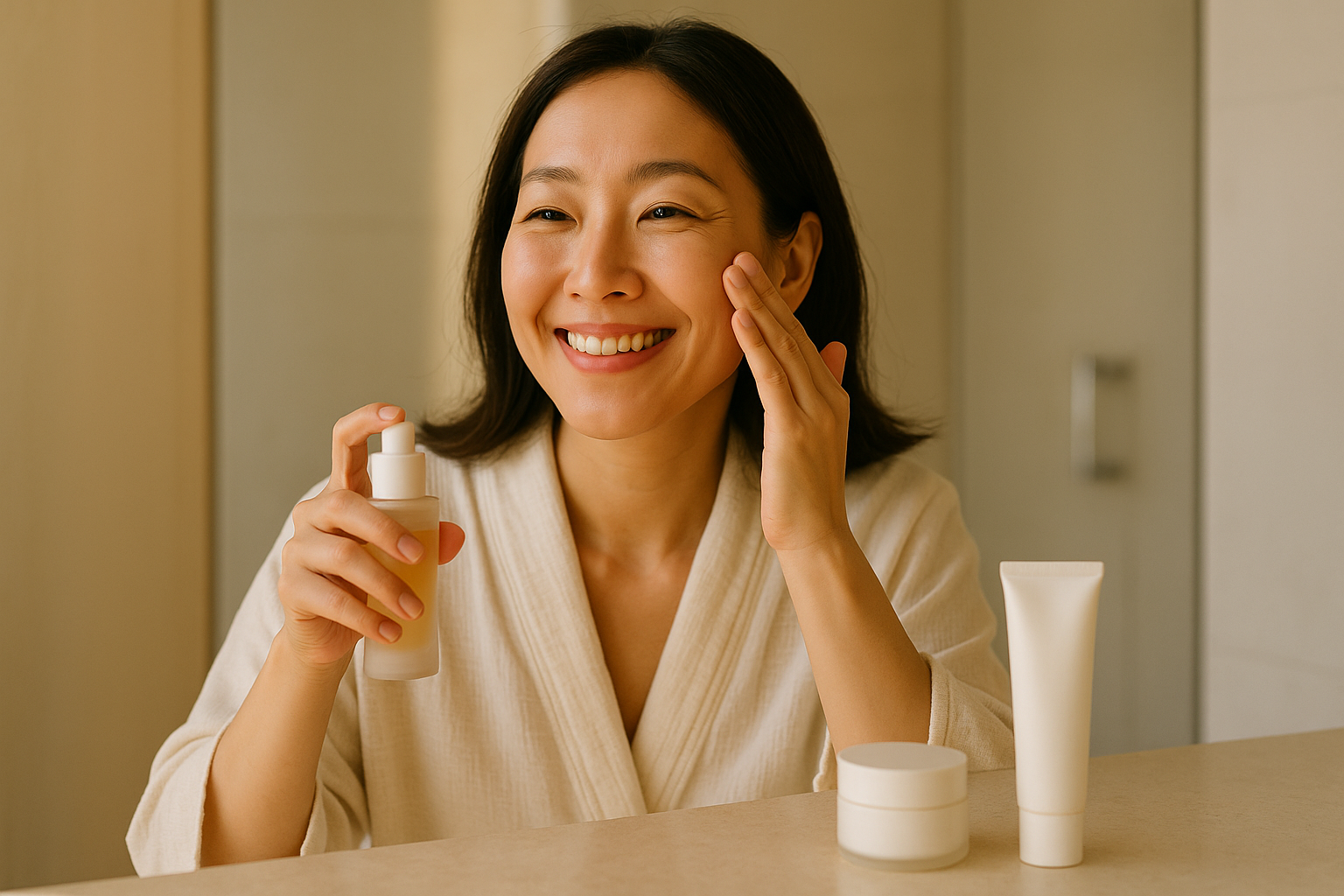
Think of your serum as the targeted step that sits between cleansing/essence and your moisturizer. In the morning, a lightweight Japanese serum provides hydration without pilling under sunscreen and makeup — apply to damp skin after any water-based essence, then follow with a moisturizer and SPF. In the evening, richer serums or concentrated boosters can be layered under a night cream for added nourishment. When introducing a new luxury serum, use it every other day for the first week to observe tolerance; if you’re mixing active treatments (for example, a retinoid at night), spacing them on alternate evenings can reduce irritation. Practical trade-offs: daytime serums should be featherweight and fast-absorbing; evening serums may be thicker but are best reserved for nights when you want extra replenishment.
Patch Testing, Fragrance, and Packaging: Practical Considerations
Patch testing is simple: apply a small amount of serum behind the ear or on the inner forearm for 48–72 hours and note any redness, tightness or itching. For sensitive skin, fragrance-free or low-fragrance formulas reduce one common source of reactivity; natural botanical blends can be soothing but sometimes trigger sensitivity, so don’t assume ‘natural’ always equals safe. Packaging influences longevity: airless pumps, dark glass and sealed samples protect delicate ingredients. Price is a practical factor — higher cost often buys formulation complexity and R&D, but real-world tolerance and ritual fit matter more. If you’re undecided, choose a mid-range option that offers sample sizes or reliable return policies.
Where to Buy, Price Expectations and Authenticity Tips
Luxury Japanese serums are available at department-store counters, authorized e-retailers and selected specialty boutiques. Expect a wide price range: accessible hyaluronic-focused serums sit at the lower end, while prestige lines can be several hundred dollars. When shopping online, buy from authorized retailers, the brand’s official site, or well-known beauty stores to avoid counterfeit products. Look for secure checkout, detailed ingredient lists and clear return policies. If you’re shopping for an affiliate-linked product, check availability across regions and list exact sizes so readers know what to expect in price-per-millilitre terms.
Compare three recommended options in the table below
Recommended Options Comparison
Each row is meant to read differently—if two lines sound identical, look at Texture and Ideal Concern first. Not medical advice; patch-test when unsure.
| Product | Best for | Texture | Ideal Concern | Why It Stands Out | Shop |
|---|---|---|---|---|---|
| SHISEIDO Ultimune | Luxury focal pick | Light / layerable | Clarifying which luxury lane fits your routine | Frames daily defense and prep as the hero—useful when consistency and comfort anchor the routine. | View on Amazon |
| SK-II Facial Treatment Essence | Luxury focal pick | Light / layerable | Clarifying which luxury lane fits your routine | Leans into luminous, texture-forward storytelling—often chosen when glow reads as the priority. | View on Amazon |
| Clé de Peau Beauté La Crème | Luxury focal pick | Rich / cushioning | Clarifying which luxury lane fits your routine | Sits in a more maximal, prestige lane—appealing when you want a richer, age-supportive feel. | View on Amazon |
Editor notes on each pick
Short, decision-oriented context before you click through—still editorial, not a guarantee of results.
Useful when you want one concrete luxury reference to weigh against the other rows—not a vague ‘nice to have.’
Useful when you want one concrete luxury reference to weigh against the other rows—not a vague ‘nice to have.’
Useful when you want one concrete luxury reference to weigh against the other rows—not a vague ‘nice to have.’
Continue exploring · To compare textures and intent across another guide, read Which Japanese Serum Is Right for You in Your 40s? A Luxury Guide for Sensitive Skin
Our Closing Take for Different Priorities
A concise map—not a prescription. Use it alongside the comparison table and your own preferences.
- If Readers who want a distinct luxury lane—not a generic catch-all → consider SHISEIDO Ultimune. Useful when you want one concrete luxury reference to weigh against the other rows—not a vague ‘nice to have.’
- If Readers who want a distinct luxury lane—not a generic catch-all → consider SK-II Facial Treatment Essence. Useful when you want one concrete luxury reference to weigh against the other rows—not a vague ‘nice to have.’
- If Readers who want a distinct luxury lane—not a generic catch-all → consider Clé de Peau Beauté La Crème. Useful when you want one concrete luxury reference to weigh against the other rows—not a vague ‘nice to have.’
Match by skin situation
Three reader profiles—not rigid rules. Use them to narrow the field, then cross-check with the table above.
- If your skin stings after cleansing, turns red easily, or feels hot when you add a new serum, start your shortlist with SHISEIDO Ultimune.
- If your complexion looks dull and uneven—rough patches, shadowy zones, or tired color under natural light, start your shortlist with SK-II Facial Treatment Essence.
- If lines look deeper at the end of the day, or creases stay etched after you stop smiling, start your shortlist with Clé de Peau Beauté La Crème.
Recommended Product
SHISEIDO Ultimune
Useful when you want one concrete luxury reference to weigh against the other rows—not a vague ‘nice to have.’
We feature SHISEIDO Ultimune as this article’s curated Amazon affiliate pick—a luxury-market reference that aligns with the editorial tone and routine ideas above. It gives readers a specific, high-quality option to explore when they are ready to shop. If you purchase through our links, we may earn a commission at no additional cost to you.
Final Thoughts
Explore our curated selection and compare textures and packaging to find the Japanese serum that feels right for your routine—start with a sample or trusted retailer and choose with confidence.
There is no one perfect serum — only the one that fits your skin today.
Frequently Asked Questions
Are Japanese serums gentle enough for sensitive skin in my 40s?
Many Japanese serums are formulated with gentle humectants and minimalist actives that suit sensitive, mature skin, but tolerance varies. Choose fragrance-free or low-fragrance options, start with a patch test and introduce a new serum gradually into your routine to assess how your skin responds.
How do I patch-test a luxury serum at home before buying the full size?
Apply a small amount behind the ear or on the inner forearm, leave it uncovered for 48–72 hours, and watch for redness, itching or tightness. If your skin tolerates it, try the serum on your face for a week using it every other day before using it daily.
Can I use a Japanese serum with my retinol or prescription products?
Yes, many users layer a gentle, hydrating Japanese serum under retinol-based products to cushion the routine. To reduce potential irritation, consider alternating nights or applying the serum first and waiting briefly before introducing stronger actives. Follow product instructions and monitor your skin’s response.
Is fragrance-free always better for sensitive skin?
Fragrance-free formulations reduce one common source of irritation and are often a safer starting point for sensitive skin. That said, some low-fragrance products use mild, well-tolerated scents; personal tolerance and patch testing remain key.