In this guide, we compare Biore UV, HADA LABO Premium Lotion, and TATCHA Dewy Cream through the lens of how to layer japanese skincare for autumn dryness without a heavy finish—the same three formulas you will see in the comparison table and Recommended Product section below.
This guide compares formulas by product type, texture, ingredient positioning, and routine fit. This is non-medical editorial guidance, not a diagnosis or treatment recommendation. Patch-test when introducing a new formula, especially if your skin is reactive.
Choosing around “How to Layer Japanese Skincare for Autumn Dryness Without a Heavy Finish” is less about collecting the most elaborate routine and more about finding a sequence that feels elegant in real life. The useful differences are practical: how quickly a layer settles, whether the finish remains comfortable through the day, how easily the formula fits beside products already in the routine, and whether the result looks polished rather than overloaded.
This guide keeps the decision deliberately focused on Biore UV, HADA LABO Premium Lotion, and TATCHA Dewy Cream. Each can support balanced hydration and a refined finish, but they do so with different texture cues and different levels of routine commitment. The comparison is editorial guidance for cosmetic appearance and routine fit, not medical advice or a promise of results.
The strongest choice is the one whose format you will use consistently and in the right amount. Read the trade-offs first, then match the texture to climate, the surrounding layers, and the finish you actually enjoy seeing on your skin.
Because notable formulas can invite overuse, the article also treats restraint as part of performance. A smaller, well-placed amount often looks more refined and makes the differences among the three options easier to understand.
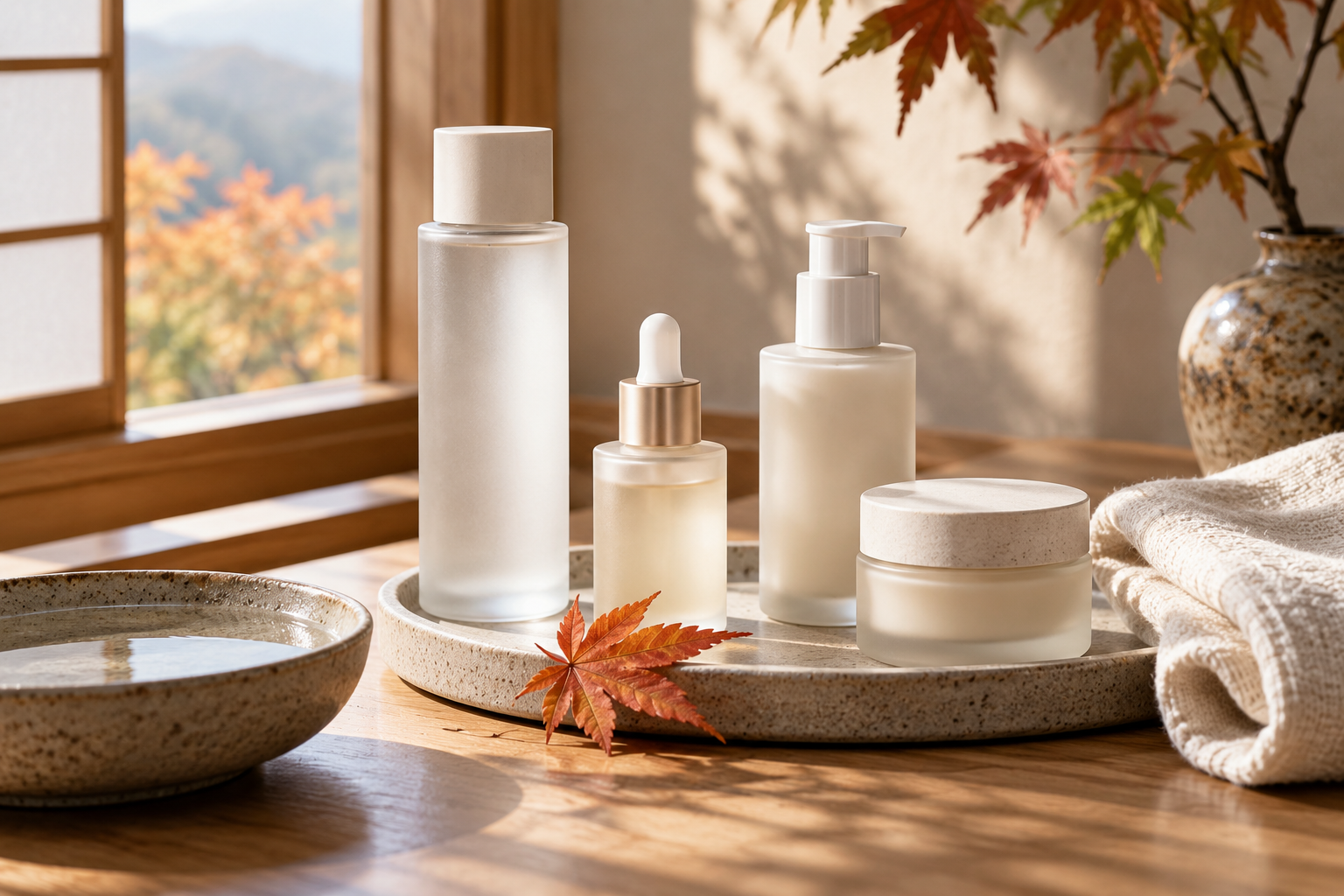
Why Texture and Sequence Matter
Texture and ingredient positioning often decide the fit between Biore UV, HADA LABO Premium Lotion, and TATCHA Dewy Cream. Below is a texture-focused read based on ingredient lists and product positioning—not hands-on testing claims.
Biore UV reads as elegant daily-wear with daily uv wearability. Trade-off to note: reapplication and finish under makeup matter.
HADA LABO Premium Lotion reads as light / layerable with offers a clearly different angle from the other rows. Trade-off to note: patch-test along the jaw if you flare easily.
TATCHA Dewy Cream reads as rich / cushioning with offers a clearly different angle from the other rows. Trade-off to note: may feel too light if you need a sealing cream on top.
How to Choose Among the Three Options
Use this decision lens to narrow Biore UV, HADA LABO Premium Lotion, and TATCHA Dewy Cream without treating every option as equally perfect. Pick the row that matches your daily routine constraint, not the loudest marketing angle.
Lean toward Biore UV when your skin stings after cleansing, turns red easily, or feels hot when you add a new serum—the comparison table labels this row as Easily irritated.
Lean toward HADA LABO Premium Lotion when your complexion looks dull and uneven under natural light—the comparison table labels this row as Dull uneven tone.
Lean toward TATCHA Dewy Cream when lines look deeper at the end of the day, or creases stay etched after you stop smiling—the comparison table labels this row as Deeper lines.
Continue exploring · If you want a second lens before you decide, see Best Japanese Face Creams for Radiant-Looking Skin Without a Heavy Finish
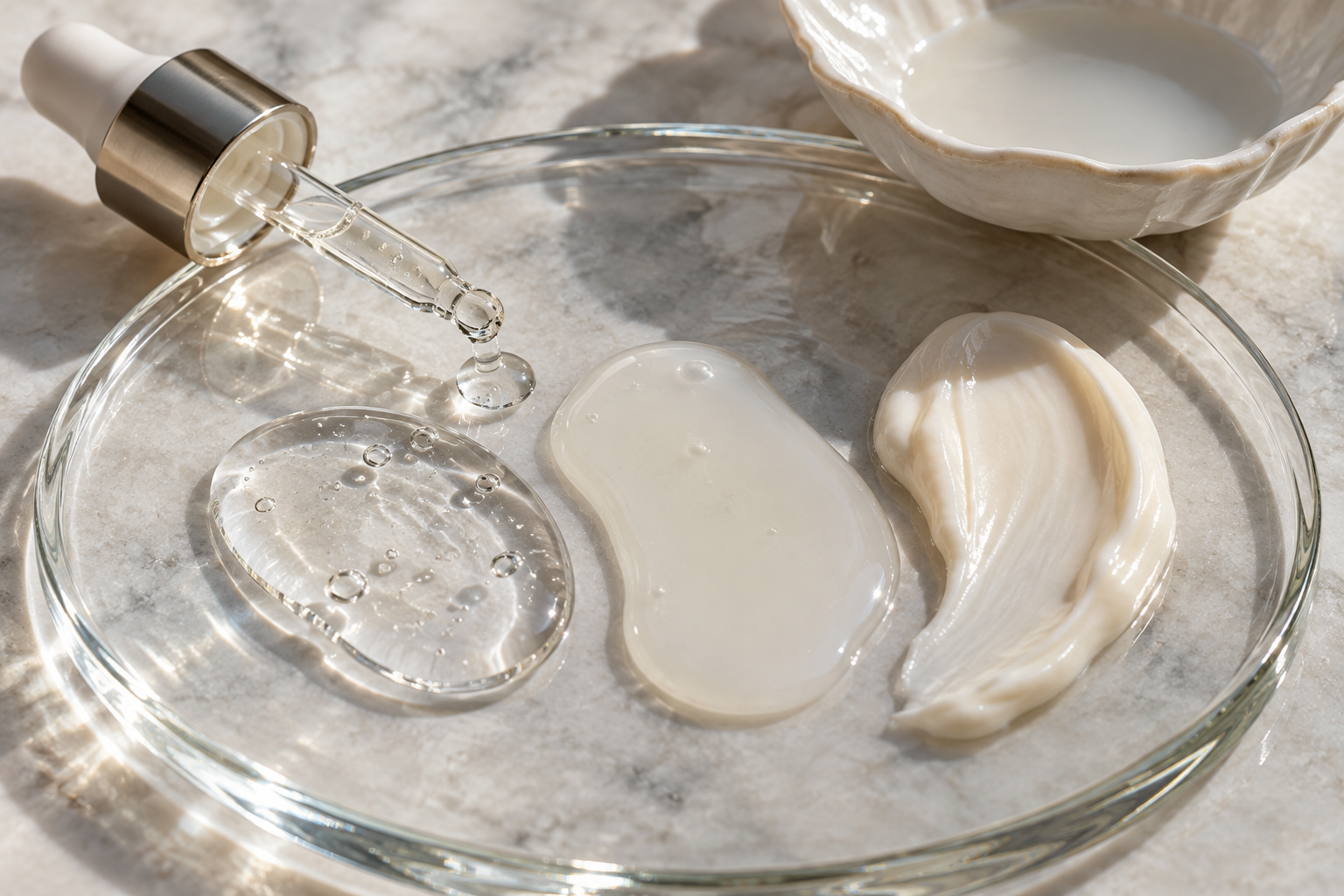
Move to the side-by-side view to choose with confidence
Application Method for a Refined Finish
Use this Japanese skincare formula within a concise daily routine. Begin with a modest amount and distribute it across several points rather than placing the full amount in one area. Smooth with light pressure, then press where the skin tends to feel less comfortable. Repeated rubbing rarely improves absorption and can disturb the layer beneath.
If the formula is watery, build one thin pass before deciding whether another is useful. If it is creamy, warm a small amount between the fingertips and spread it outward in a thin veil. For an oil or balm-like texture, take extra time to emulsify or settle it as appropriate to the step. The aim is even coverage, not a visibly thick coating.
When makeup follows, allow the surface to become calm rather than completely dry. Apply complexion products by pressing or short controlled strokes. If rolling or pilling appears, reduce the amount of the layer most likely to remain on the surface and lengthen the pause by a minute. Adding more product usually intensifies the problem.
In the evening, the same formula can often be used more generously because there is no base makeup competing for the surface. Even then, increase only one layer at a time. That small discipline makes it easier to understand whether extra comfort comes from the featured product, the moisturizer above it, or simply a slower application.
Morning and Evening Routine Examples
A streamlined morning can be built around cleansing or a gentle rinse, one hydrating step, the selected product, and sunscreen. The sequence should feel light enough that the final protective layer can be applied evenly. If Biore UV is your choice, begin with the smallest practical amount and observe the finish before adding anything richer.
For an evening routine, remove makeup and sunscreen thoroughly, apply the chosen treatment or hydrating layer, and finish with only as much cream as comfort requires. HADA LABO Premium Lotion can be useful when you want the routine to remain adaptable: one layer on milder nights, a little more support when indoor heat or cooler air changes the feel of the skin.
TATCHA Dewy Cream can anchor a more sensorial evening ritual, but it still benefits from editing. Pairing a noticeable texture with several other rich formulas may create more residue without delivering a more elegant result. Let one product provide the cushion and keep adjacent layers simpler.
Whichever option you choose, keep the method stable for several uses before changing quantities. Consistent technique reveals texture and compatibility more clearly than a constantly shifting routine. If discomfort persists, stop and reassess rather than trying to cover it with additional cosmetic layers.
Realistic Trade-Offs and Who Each Is Best For
A Seven-Day Way to Evaluate the Fit
On the first two days, use the selected product in the simplest version of your routine. Keep cleanser, moisturizer, and sunscreen familiar, and avoid introducing another new cosmetic at the same time. Note the amount used, how easily it spreads, and whether the surface feels even after ten minutes. This establishes a practical baseline without asking the formula to compete with too many variables.
On days three and four, pay attention to the transition into the next step. The question is not merely whether the product feels pleasant on its own, but whether it creates a good foundation for what follows. In the morning, observe sunscreen and makeup. In the evening, observe whether the final moisturizer sits smoothly or begins to feel excessive. Adjust the amount before changing the sequence.
On days five and six, compare different conditions if possible: a day spent mainly indoors, a longer commute, a cooler evening, or a makeup-free day. These small changes reveal whether the finish is versatile. They also show whether Biore UV remains the most natural fit or whether the lighter or richer character associated with HADA LABO Premium Lotion or TATCHA Dewy Cream would better suit your actual schedule.
At the end of the week, review four points: application pleasure, visible finish, comfort later in the day, and willingness to repeat the routine. A product does not need to transform every aspect of the skin to be worthwhile. It needs a clear cosmetic role and a texture that supports consistency. If the experience is mixed, change one variable—usually amount or surrounding richness—and reassess before moving to another option.
The Most Thoughtful Starting Point
For most readers arriving through this search, Biore UV is the clearest starting point. It aligns closely with the article’s central need and offers an uncomplicated way to evaluate balanced hydration and a refined finish. Begin with a conservative amount, use it in a stable routine, and adjust only after you understand the finish.
Choose HADA LABO Premium Lotion instead when its texture better bridges the products you already own. Choose TATCHA Dewy Cream when a richer or more immersive experience is the reason you will look forward to the routine. None of the three needs to be treated as a permanent identity; skincare can change with season, climate, makeup habits, and personal preference.
The editorial principle is simple: prioritize repeatable comfort, an attractive finish, and a clear role for every layer. Luxury is most convincing when the routine feels edited. A product earns its place by making the sequence easier to enjoy, not by requiring extra steps to justify it.
Keep notes for a week on amount, settling time, midday feel, and how the surface behaves with the next layer. Those four observations provide a grounded basis for deciding whether to continue, adjust, or consider one of the alternatives.
Move to the side-by-side view to choose with confidence
Side-by-Side Comparison (Three Formulas)
Start with your skin priority and the trade-off you can accept; price and availability are confirmed on Amazon.
Biore UV
HADA LABO Premium Lotion
TATCHA Dewy Cream
Editor notes on each pick
Short, decision-oriented context before you click through—still editorial, not a guarantee of results.
Makes sense when reapplication, sweat, or makeup compatibility—not just SPF numbers—is part of your day.
Especially relevant if daylight reveals patchy tone or makeup that never quite sits evenly on the surface.
Leans useful when smile lines stay visible at rest and you want a weightier, more substantial feel on the skin.
Continue exploring · If you are refining your full ritual, continue with How Japanese Cleansers Support Healthy-Looking Skin Without Over-Drying
Final Recommendation
A concise map—not a prescription. Use it alongside the comparison table and your own preferences.
- If your skin stings after cleansing, turns red easily, or feels hot when you add a new serum → consider Biore UV. Makes sense when reapplication, sweat, or makeup compatibility—not just SPF numbers—is part of your day.
- If your complexion looks dull and uneven—rough patches, shadowy zones, or tired color under natural light → consider HADA LABO Premium Lotion. Especially relevant if daylight reveals patchy tone or makeup that never quite sits evenly on the surface.
- If lines look deeper at the end of the day, or creases stay etched after you stop smiling → consider TATCHA Dewy Cream. Leans useful when smile lines stay visible at rest and you want a weightier, more substantial feel on the skin.
Recommended Product
Biore UV
If your priority is a elegant daily-wear treatment step that layers easily in a busy routine, Biore UV is the most natural starting point among the three formulas above.
Biore UV is the editorial starting point for this focused three-product comparison. It is positioned for readers seeking balanced hydration and a refined finish with a routine that remains considered and usable. Compare its texture and finish with HADA LABO Premium Lotion and TATCHA Dewy Cream before deciding.
Check Price & Availability on Amazon
Price and availability can change. Opens Amazon in a new tab.
Final Thoughts
Explore Biore UV and compare it with the other two curated options before choosing the texture that best fits your routine.
There is no one perfect formula — only the one that fits your skin today.
Price and availability can change. Opens Amazon in a new tab.
Frequently Asked Questions
Which option is the easiest place to start for How to Layer Japanese Skincare for Autumn Dryness Without a Heavy Finish?
Biore UV is the clearest starting point because it most closely matches the search intent. Begin with a modest amount in a simple routine, then compare comfort and finish with HADA LABO Premium Lotion or TATCHA Dewy Cream only if a different texture would solve a specific problem.
Can these three products be used in the same routine?
They are compared as alternatives, not as a required trio. Using Biore UV, HADA LABO Premium Lotion, and TATCHA Dewy Cream together may add cost and texture without improving routine clarity. Choose one primary option first and keep the surrounding steps familiar.
How long should I wait between Japanese skincare layers?
There is no universal timer. Wait until the layer feels evenly distributed and no longer very wet, usually a short pause, then apply the next step with light pressure. If pilling appears, use less product and allow a slightly longer settling time.
Is the richest texture always better for dry, mature-looking skin?
No. A rich finish can feel comforting, but climate, sunscreen, makeup, and personal preference all matter. A lighter option used consistently may be a better fit than a rich layer that feels heavy or discourages regular use.