In this guide, we compare POLA White Shot UV Blocker, SHISEIDO Anessa Perfect UV Sunscreen (Premium Line), and Clé de Peau Beauté UV Protective Cream through the lens of japanese sunscreen for sensitive aging skin—the same trio you will see summarized in the comparison table below.
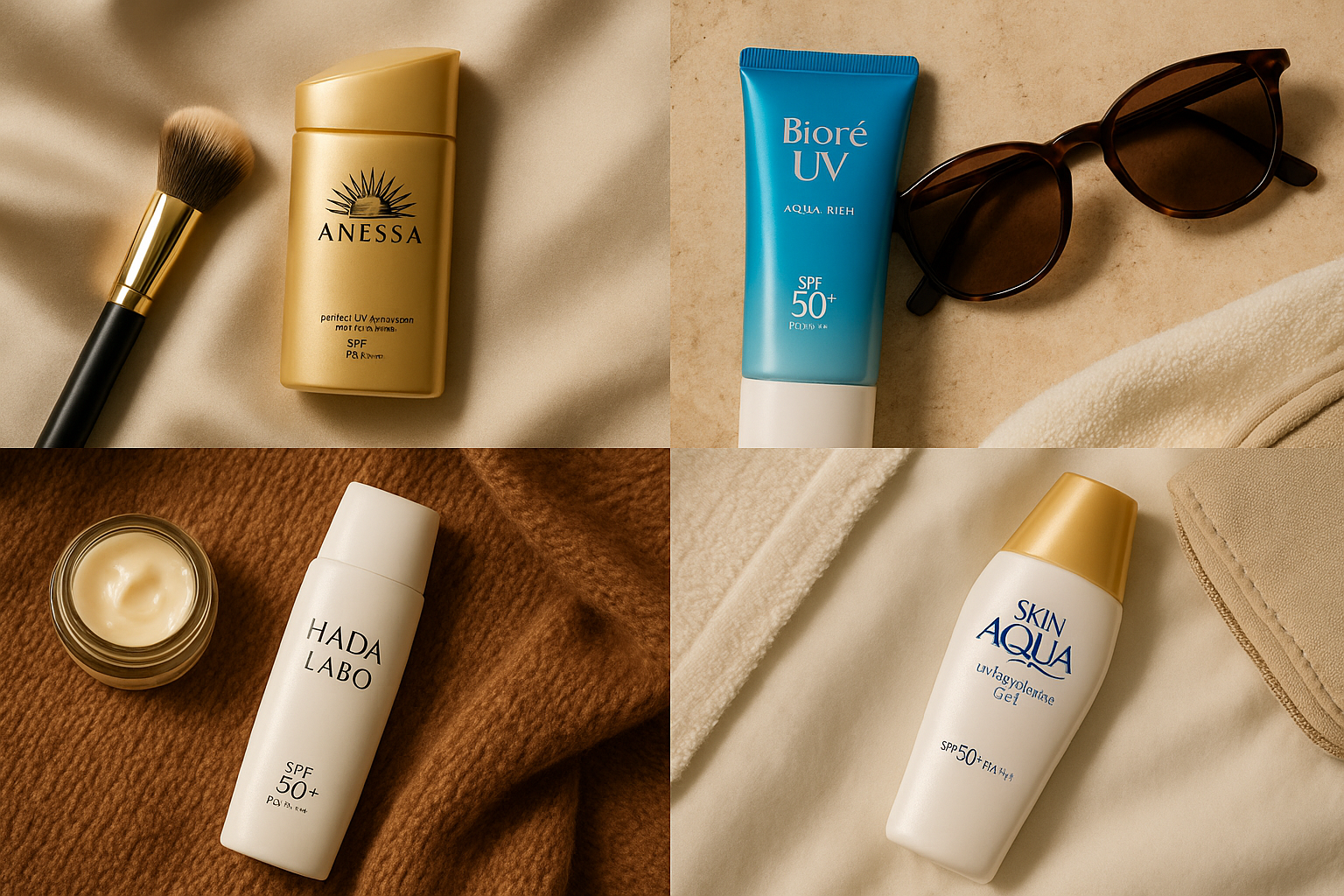
Many women in their 30s to 50s find that sunscreen becomes both more essential and more complicated as skin grows drier, thinner or more reactive. Japanese sunscreens have a reputation for elegant textures and considerate formulations—lightweight essences, milky lotions and hydrating gels that sit comfortably under skincare. In this guide you’ll find a practical comparison of four consistent, widely available Japanese sunscreens—Anessa Perfect UV Sunscreen Skincare Milk SPF50+ PA++++, Biore UV Aqua Rich Watery Essence SPF50+ PA++++, Hada Labo UV Creamy Gel SPF50+ PA++++, and Skin Aqua UV Super Moisture Gel SPF50+—plus clear advice on how to choose the right formula for sensitive or aging skin.
See a high-protection pick that still feels premium
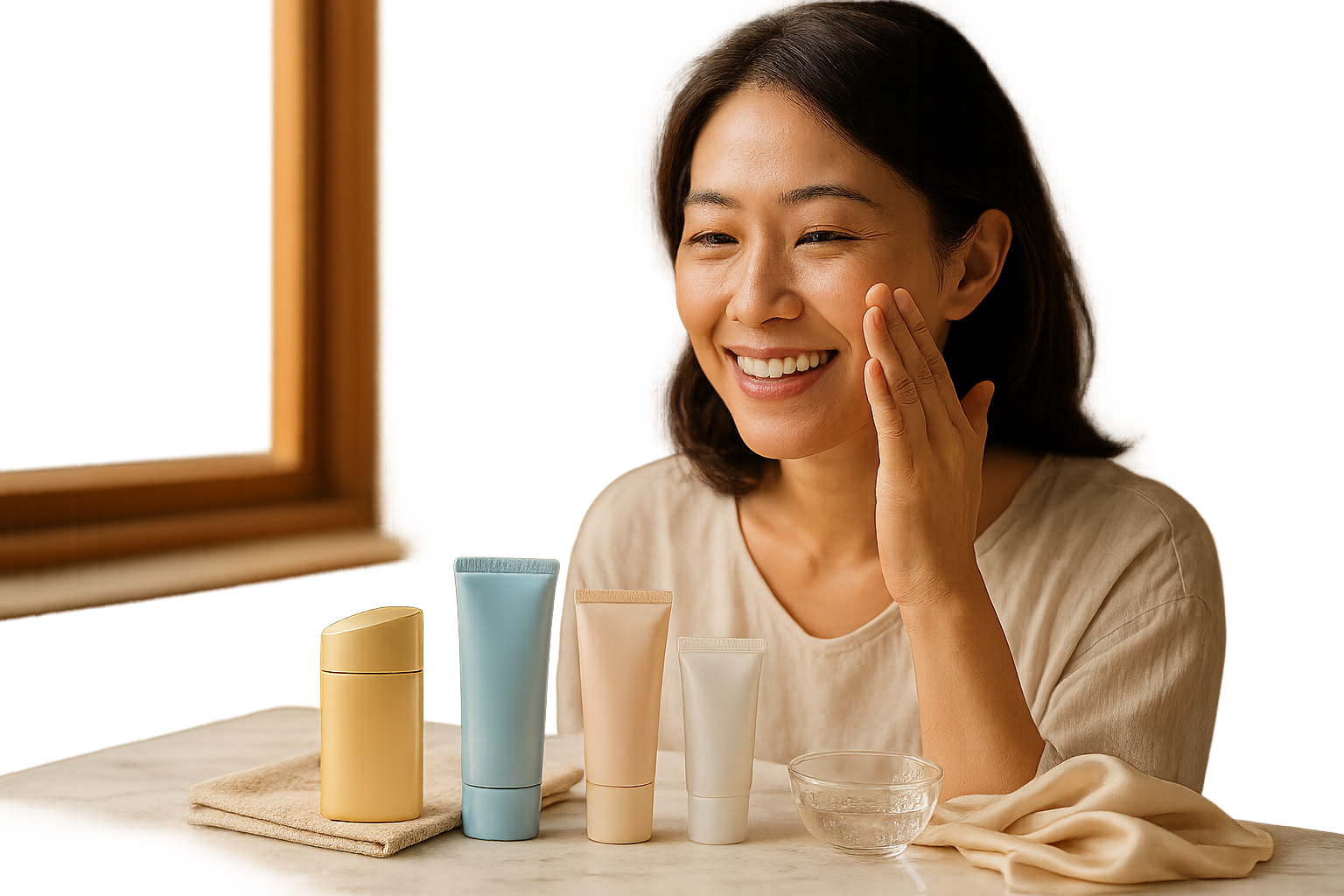
Why Japanese Sunscreens Appeal to Sensitive and Aging Skin
What often matters most is how a sunscreen feels on the skin across a full day—especially if sensitivity, fine lines or dryness are a concern. Japanese brands have long prioritized lightweight, cosmetically refined textures: watery essences that absorb quickly, milky lotions that leave a soft finish, and hydrating gels that avoid heavy occlusion. Those textures reduce the pilling and layering friction that can aggravate fragile skin. Many formulas also focus on broad-spectrum coverage with high PA ratings for UVA protection, which is a common priority for readers worried about photo-ageing. In short, the pairing of sensorial refinement and reliable protection is why so many women turn to Japanese SPF. We’ll repeatedly reference four specific contenders—Anessa Perfect UV Sunscreen Skincare Milk, Biore UV Aqua Rich Watery Essence, Hada Labo UV Creamy Gel, and Skin Aqua UV Super Moisture Gel—so you can see direct trade-offs and an easy path to purchase.
What Makes Japanese Sunscreens Different: Ingredients, Texture and Packaging
Japanese sunscreens are often defined by three practical features: high SPF/PA ratings in cosmetically elegant forms, texture innovation that prioritizes layering with skincare, and user-friendly packaging for frequent use. You’ll find formulations that emphasize lightweight spreadability—think water-light essences or thin milky fluids—so you don’t feel like you’re adding a mask. Ingredients vary from mineral actives (zinc oxide, titanium dioxide) to modern organic filters; brands balance sun-filter performance with emollients and humectants to avoid a tight or flaky finish. Packaging is another subtle advantage: pumps and slim tubes make it easier to apply the right amount without waste. For sensitive or aging skin, those small design choices translate into less tugging, more comfortable daily wear, and fewer texture conflicts with serums or retinol at night.
Continue exploring · If you are refining your full ritual, continue with Why Some Sunscreens Irritate Sensitive Skin in Your 40s — How to Choose the Right Japanese UV Care
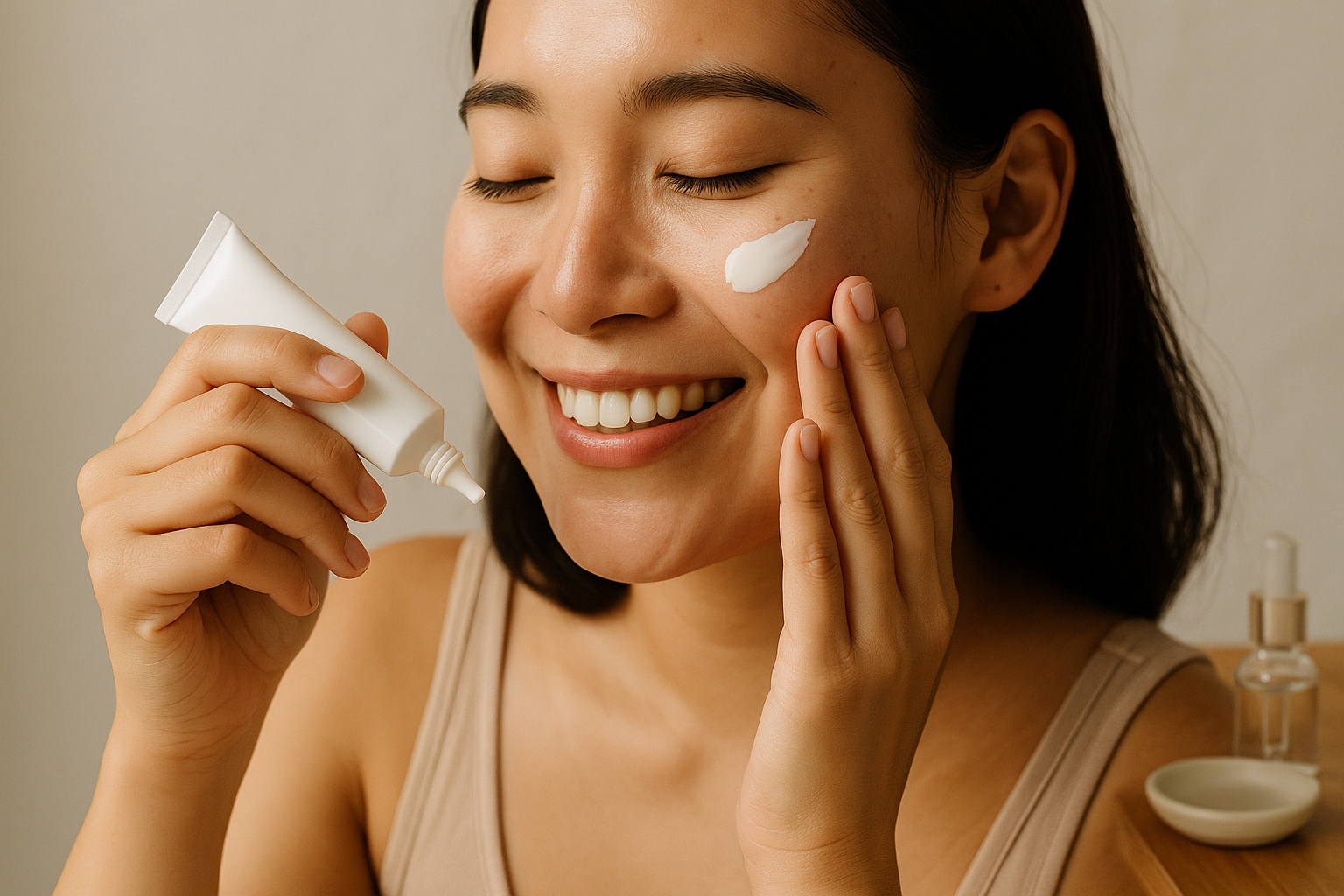
See how each sunscreen fits city, outdoor, or brightening goals
How to Choose: Which Formula Fits Your Skin and Routine
We discipline the narrative around three concrete luxury references—POLA White Shot UV Blocker, SHISEIDO Anessa Perfect UV Sunscreen (Premium Line), and Clé de Peau Beauté UV Protective Cream. These are not background examples; they are the same formulas named again in the comparison table, so you are never reconciling one shortlist in the prose with a different roster later.
POLA White Shot UV Blocker is the row we emphasize when dullness, uneven daylight tone, or makeup that never quite sits evenly lead the brief. In the table, that priority is labeled Daily UV exposure; editorially, Offers a clearly different angle from the other rows.
SHISEIDO Anessa Perfect UV Sunscreen (Premium Line) is the row we emphasize when lines that read deeper by evening, or a preference for a richer, weightier feel lead the brief. In the table, that priority is labeled Dull uneven tone; editorially, Emphasizes real-world wear scenarios.
Clé de Peau Beauté UV Protective Cream is the row we emphasize when lines that read deeper by evening, or a preference for a richer, weightier feel lead the brief. In the table, that priority is labeled Deeper lines; editorially, Sits in a more maximal, prestige lane.
Top Picks — Clear Comparison and Who Should Choose Each
We discipline the narrative around three concrete luxury references—POLA White Shot UV Blocker, SHISEIDO Anessa Perfect UV Sunscreen (Premium Line), and Clé de Peau Beauté UV Protective Cream. These are not background examples; they are the same formulas named again in the comparison table, so you are never reconciling one shortlist in the prose with a different roster later.
POLA White Shot UV Blocker is the row we emphasize when dullness, uneven daylight tone, or makeup that never quite sits evenly lead the brief. In the table, that priority is labeled Daily UV exposure; editorially, Offers a clearly different angle from the other rows.
SHISEIDO Anessa Perfect UV Sunscreen (Premium Line) is the row we emphasize when lines that read deeper by evening, or a preference for a richer, weightier feel lead the brief. In the table, that priority is labeled Dull uneven tone; editorially, Emphasizes real-world wear scenarios.
Clé de Peau Beauté UV Protective Cream is the row we emphasize when lines that read deeper by evening, or a preference for a richer, weightier feel lead the brief. In the table, that priority is labeled Deeper lines; editorially, Sits in a more maximal, prestige lane.
How to Apply and Layer with Anti-Aging Skincare
What often matters most in practice is application technique. Use roughly a nickel- to quarter-sized amount for the face, and don’t forget the neck and ears—many sensitive or aging concerns appear where coverage is often light. Apply sunscreen as the final daytime skincare step after serums and moisturizer, allowing active treatments (vitamin C serums, hydrating essences) to absorb first. If you use a lightweight essence SPF like Biore, follow with a dewy finishing product only if your skin still feels dry. For layered retinoids or exfoliants at night, consider reserving stronger actives for evenings and using a gentler daytime SPF to reduce potential irritation from overlapping treatment cycles. Reapplication matters: carry a travel-friendly tube or stick for touch-ups after prolonged sun exposure or perspiration. When trying a new Japanese sunscreen, patch-test and introduce it slowly, especially if you’re combining with prescription-strength retinoids or acids.
Practical Shopping Tips, Travel and Common Concerns
Look for SPF50+ and PA++++ for comprehensive daily protection—this is common in Japanese products. Check the ingredient list for fragrances or denatured alcohol if you’re prone to sensitivity; many formulations list them near the end, and some variants are labeled low-irritant. If you travel to humid climates, water-light essences often feel fresher; if you spend long days in conditioned environments, creamy gels or milks add beneficial moisture. When buying internationally, ensure you purchase the specific formula name (the four products named here) rather than a generic brand line, since packaging and formulations can vary by market. Lastly, store sunscreen out of direct heat and replace open bottles according to the manufacturer’s guidance to maintain performance.
The table below highlights who each formula is really for
Recommended Options Comparison
Each row is meant to read differently—if two lines sound identical, look at Texture and Ideal Concern first. Not medical advice; patch-test when unsure.
| Product | Best for | Texture | Ideal Concern | Why It Stands Out | Shop |
|---|---|---|---|---|---|
| POLA White Shot UV Blocker | Daily UV exposure | Rich / cushioning | Dullness, uneven tone, lack of glow | Offers a clearly different angle from the other rows—compare finish, intent, and where it sits in a ritual. | View on Amazon |
| SHISEIDO Anessa Perfect UV Sunscreen (Premium Line) | Dull uneven tone | Elegant daily-wear | UV load, outdoor rhythm, protection habit | Emphasizes real-world wear scenarios—outdoor rhythm, reapplication, or finish under makeup. | View on Amazon |
| Clé de Peau Beauté UV Protective Cream | Deeper lines | Elegant daily-wear | UV load, outdoor rhythm, protection habit | Sits in a more maximal, prestige lane—appealing when you want a richer, age-supportive feel. | View on Amazon |
Editor notes on each pick
Short, decision-oriented context before you click through—still editorial, not a guarantee of results.
A natural match if new steps tend to burn along the cheeks yet you are not willing to downgrade texture.
Especially relevant if daylight reveals patchy tone or makeup that never quite sits evenly on the surface.
Especially relevant if fine lines look more obvious when skin is dry, tired, or you have been in dry air all day.
Continue exploring · If you want a second lens before you decide, see Which Japanese Serum Actually Fits Your Sensitive Skin in Your 40s? Compare Luxury Formulas by Skin Needs
How to Choose Among These Picks
A concise map—not a prescription. Use it alongside the comparison table and your own preferences.
- If your skin stings after cleansing, turns red easily, or feels hot when you add a new serum → consider POLA White Shot UV Blocker. A natural match if new steps tend to burn along the cheeks yet you are not willing to downgrade texture.
- If your complexion looks dull and uneven—rough patches, shadowy zones, or tired color under natural light → consider SHISEIDO Anessa Perfect UV Sunscreen (Premium Line). Especially relevant if daylight reveals patchy tone or makeup that never quite sits evenly on the surface.
- If lines look deeper at the end of the day, or creases stay etched after you stop smiling → consider Clé de Peau Beauté UV Protective Cream. Especially relevant if fine lines look more obvious when skin is dry, tired, or you have been in dry air all day.
Match by skin situation
Three reader profiles—not rigid rules. Use them to narrow the field, then cross-check with the table above.
- If your skin stings after cleansing, turns red easily, or feels hot when you add a new serum, start your shortlist with POLA White Shot UV Blocker.
- If your complexion looks dull and uneven—rough patches, shadowy zones, or tired color under natural light, start your shortlist with SHISEIDO Anessa Perfect UV Sunscreen (Premium Line).
- If lines look deeper at the end of the day, or creases stay etched after you stop smiling, start your shortlist with Clé de Peau Beauté UV Protective Cream.
Recommended Product
POLA White Shot UV Blocker
A natural match if new steps tend to burn along the cheeks yet you are not willing to downgrade texture.
We feature POLA White Shot UV Blocker as this article’s curated Amazon affiliate pick—a luxury-market reference that aligns with the editorial tone and routine ideas above. It gives readers a specific, high-quality option to explore when they are ready to shop. If you purchase through our links, we may earn a commission at no additional cost to you.
Final Thoughts
Explore these formulas at trusted retailers and try a travel-size to find your perfect daily SPF—shop thoughtfully and patch-test before committing.
There is no one perfect serum — only the one that fits your skin today.
Frequently Asked Questions
Are Japanese sunscreens better for sensitive skin than Western formulas?
“Better” is subjective, but many readers prefer Japanese sunscreens for sensitive skin because of their lightweight, non-greasy textures and thoughtful packaging. Those qualities reduce friction and pilling, which can help avoid mechanical irritation. Always check for known irritants like fragrance or high alcohol content and patch-test new products.
Which Japanese sunscreen is best if I have dry, mature skin?
Creamier, more emollient options typically work best for dry, mature skin. From our shortlist, Hada Labo UV Creamy Gel and Anessa Perfect UV Sunscreen Skincare Milk offer more hydration and a smoothing finish suitable for layering with anti-aging serums.
Can I use Biore Aqua Rich under makeup without pilling?
Yes—Biore Aqua Rich Watery Essence is designed to absorb quickly and leave a smooth, non-tacky canvas that generally layers well under makeup. To minimize pilling, let the sunscreen fully absorb before applying primer or foundation and use thin layers of silicone-heavy primers.
How often should I reapply Japanese sunscreen during a long day?
Reapply every two hours during direct sun exposure or after swimming and heavy sweating. For everyday indoor-to-outdoor routines, a mid-day touch-up is helpful, especially for prolonged outdoor activity. Travel-sized tubes or compact sticks make reapplication easier.