When time and budget allow, a thoughtfully formulated cream can be the single most indulgent step in a smart anti-aging regimen. This editorial guide decodes luxury anti-aging creams—what ingredients to prioritise, how to layer them into daily routines, texture and packaging cues that matter, and how to select the one cream that will genuinely lift, firm and impart a lasting glow.
Explore a premium option for this concern
Why a premium cream can elevate results
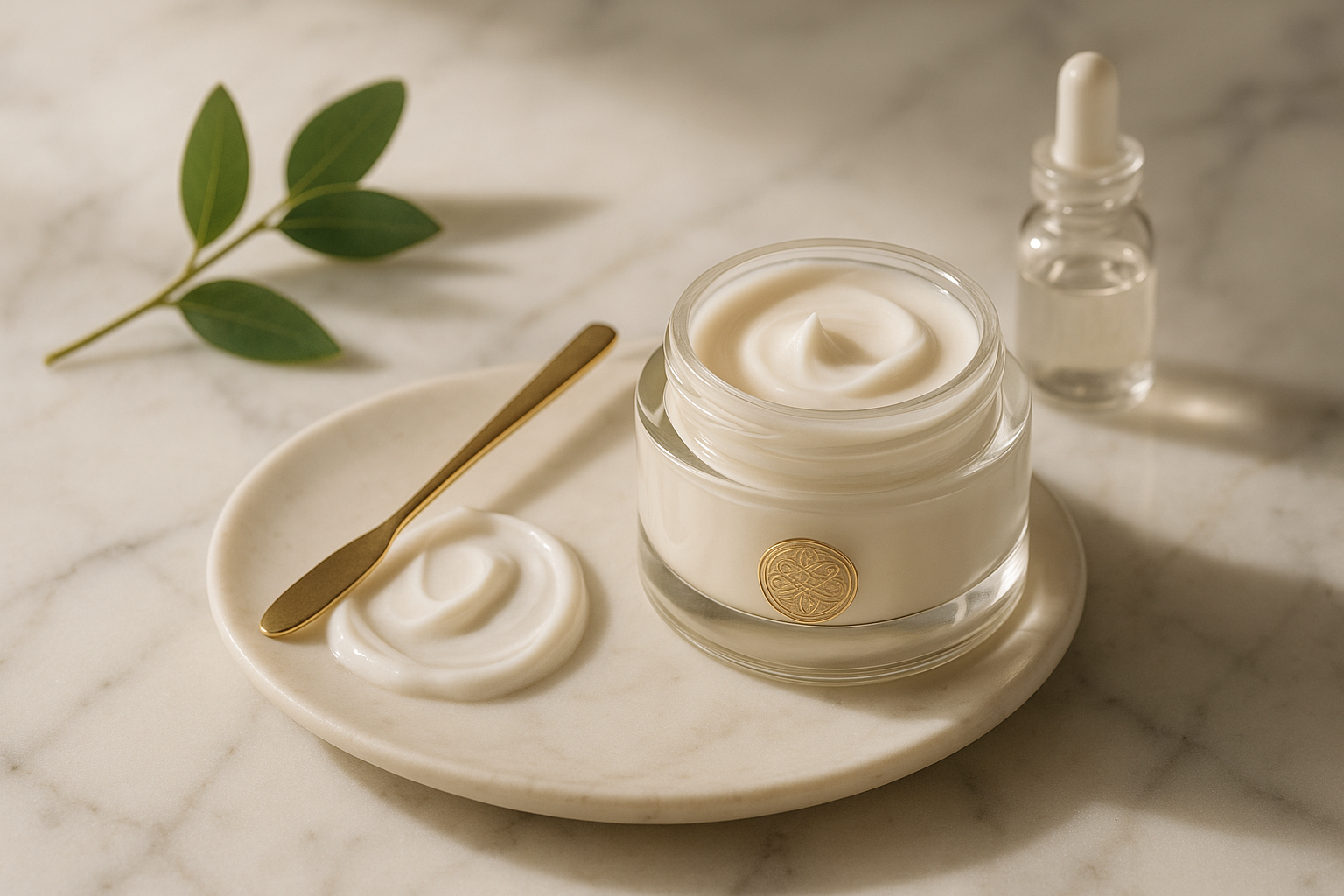
A luxury cream is more than packaging: it is a refined formulation balancing active concentrations, stabilising technology and skin‑supporting emollients. Premium lines typically invest in ingredient quality, blend stability and sensory details—texture, scent, and finish—that encourage consistent use. For women in their 30s to 50s, a well-formulated cream can address multiple concerns at once (firmness, tone, and hydration), making it a practical and pleasurable anchor of your skincare ritual.
Key ingredients that actually support firmness and glow
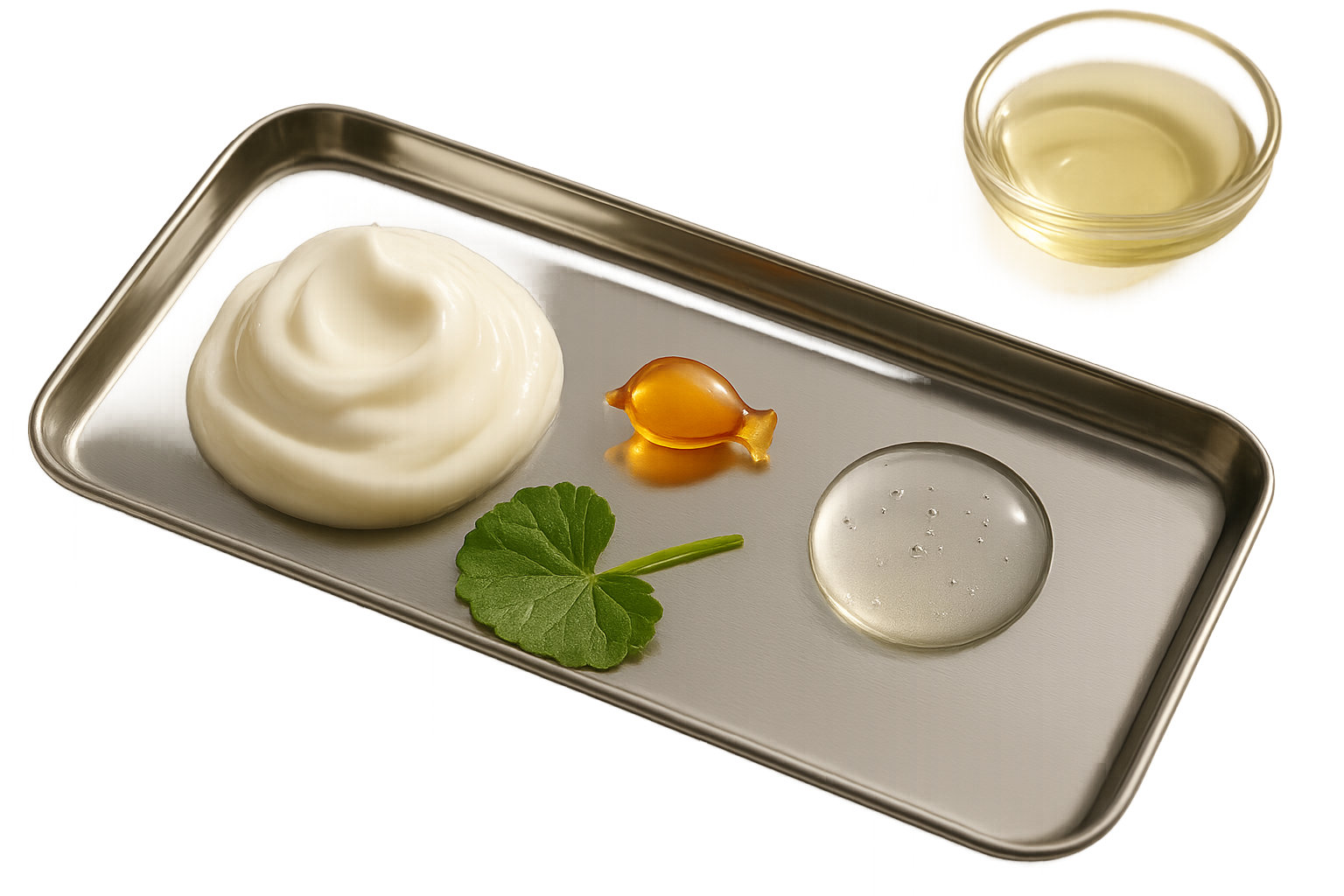
Look for a thoughtful mix rather than a single ‘miracle’ ingredient. Effective luxury creams often combine: peptides to support skin’s structural appearance; a stabilized retinoid or bakuchiol for cell turnover and skin-surface renewal; multi-weight hyaluronic acids for plumping hydration at different layers; antioxidant boosters like vitamin C derivatives or niacinamide for radiance and barrier support; and emollients such as squalane, ceramides or fatty esters to prevent dryness. Ferments and botanical boosters can add luminosity and sensory pleasure, but assess them for skin sensitivity. Transparency about concentrations and delivery (encapsulation, micro-emulsions) is a helpful signal of formulation sophistication.
Compare this recommended formula
Choosing the right texture, fragrance and packaging
Texture matters for both performance and enjoyment. Lightweight creams and lotions layer well under serums and daytime SPF, while richer creams are ideal for overnight restorative work. Fragrance can be luxurious but may irritate reactive skin—opt for fragrance-free or subtly scented formulas if you are prone to sensitivity. Airless pumps and opaque jars protect light- and air-sensitive actives, extending shelf life and preserving potency; consider single-dose capsules for retinoids if you want precise, protected dosing.
How to introduce a potent anti-aging cream into your routine
Start slowly when adding actives like retinoids or higher peptide concentrations. Apply a small amount two to three times a week at night at first, increasing frequency as tolerance builds. For daytime, pair your active cream with a broad-spectrum sunscreen to maintain results and protect skin integrity. Layer creams over hydrating serums (hyaluronic acid) and under heavier oils if needed; for nighttime, consider alternating a retinol-containing cream with a richer peptide-ceramide formula to maintain barrier health.
Application tips for best results
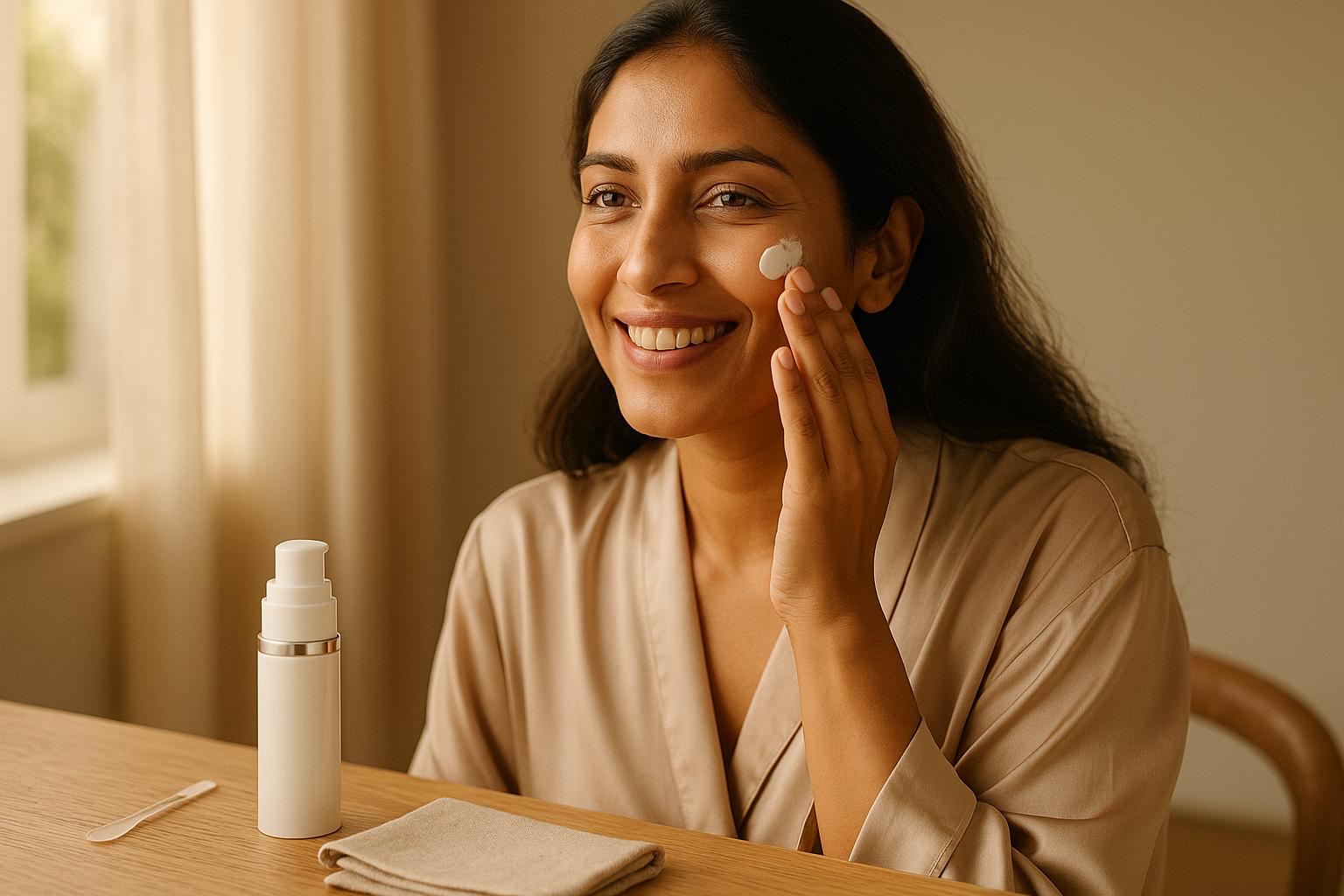
Apply creams to damp skin to lock in moisture, using gentle upward motions and a light touch around delicate eye areas. A small spatula avoids contamination. Use the amount recommended by the brand—more is not necessarily better; concentrated actives are formulated for a measured dose. For targeted lifting, gently press and hold cream into areas prone to sag (jawline, nasolabial folds) rather than rubbing aggressively. Consistency is the clearest path to visible improvement.
Skin-type adjustments and common concerns
Adjust your cream choice to address oiliness, sensitivity or dryness. If you have oily or combination skin, choose a gel-cream or lightweight emulsion with non-comedogenic emollients. For dry or mature skin, richer creams with ceramides, cholesterol and fatty acids help restore suppleness. Sensitive skin benefits from gradual introduction of actives, fragrance-free options and formulations that include calming ingredients like bisabolol or centella. Always patch-test new creams before full-face application.
Budget, value and when to invest
Luxury pricing often reflects research, ingredient quality and refined textures. Consider these investment principles: prioritise a high-quality active cream for night use if you can only pick one, as nighttime formulations can work synergistically with natural repair cycles. For daytime, a lightweight, brightening cream that layers well under SPF offers daily payoff. Look for multipurpose creams that combine firming, hydrating and radiance-boosting benefits for the best value and fewer, more effective steps.
Carefully curated shopping checklist
Before you buy, confirm the front-of-pack claims are supported by ingredient transparency—do they list peptide blends, retinoid type, and hydrators? Check delivery format (airless pump, sealed jars), note fragrance status, and read recent customer feedback for texture and tolerance notes. Consider sample or travel sizes to test tolerance, and seek retailers with generous return policies. Finally, choose one measurable goal—firmer jawline, smoother texture, more even tone—and track progress with photos at two- to three-month intervals.
Frequently Asked Questions
How soon can I expect to see results from a luxury anti-aging cream?
Visible improvements in texture and hydration can appear within days to weeks, while firmer, more structural changes typically require consistent use over 8 to 12 weeks. Results depend on the actives used, frequency of application and individual skin characteristics; patience and consistency are essential.
Can I use a retinol-containing cream every night?
Many people build tolerance over several weeks and eventually use retinol nightly, but starting slowly—two to three times a week—and gradually increasing frequency is recommended to reduce irritation. If you experience dryness or sensitivity, alternate with a richer peptide or ceramide-based cream to maintain barrier health.
Are fragrance-free creams better for anti-aging?
Fragrance-free options reduce the risk of irritation, particularly for sensitive skin. A fragrance-free premium cream can deliver equivalent anti-aging benefits to a scented formula while being gentler during prolonged use. If you love a scented product, choose one with a subtle, dermatologist-tested fragrance and monitor skin response.
Do I need both a serum and a cream to see improvement?
Serums and creams serve complementary roles: serums typically deliver concentrated actives in a lightweight form, while creams provide occlusion, hydration and skin-soothing emollients. Combining a targeted serum with a high-quality cream often yields better and more comfortable results than using either alone, but a single, multi-action cream can be an effective minimalist alternative.
Recommended Product
SHISEIDO Future Solution LX Total Regenerating Cream
We feature SHISEIDO Future Solution LX Total Regenerating Cream as this article’s curated Amazon affiliate pick—a luxury-market reference that aligns with the editorial tone and routine ideas above. It gives readers a specific, high-quality option to explore when they are ready to shop. If you purchase through our links, we may earn a commission at no additional cost to you.
Final Thoughts
Ready to experience a refined, effective anti-aging cream? Explore our curated selection of luxe formulations designed to restore firmness and illuminate skin—find the best match for your routine and enjoy confident results.