Dark spots, post-inflammatory marks and uneven tone are concerns many women encounter as skin changes with age and lifestyle. This guide distils ingredient clarity, routine choreography and product recommendations so you can choose a brightening serum that feels luxurious, fits your skin type and supports a more luminous, even-looking complexion.
Explore a premium option for this concern
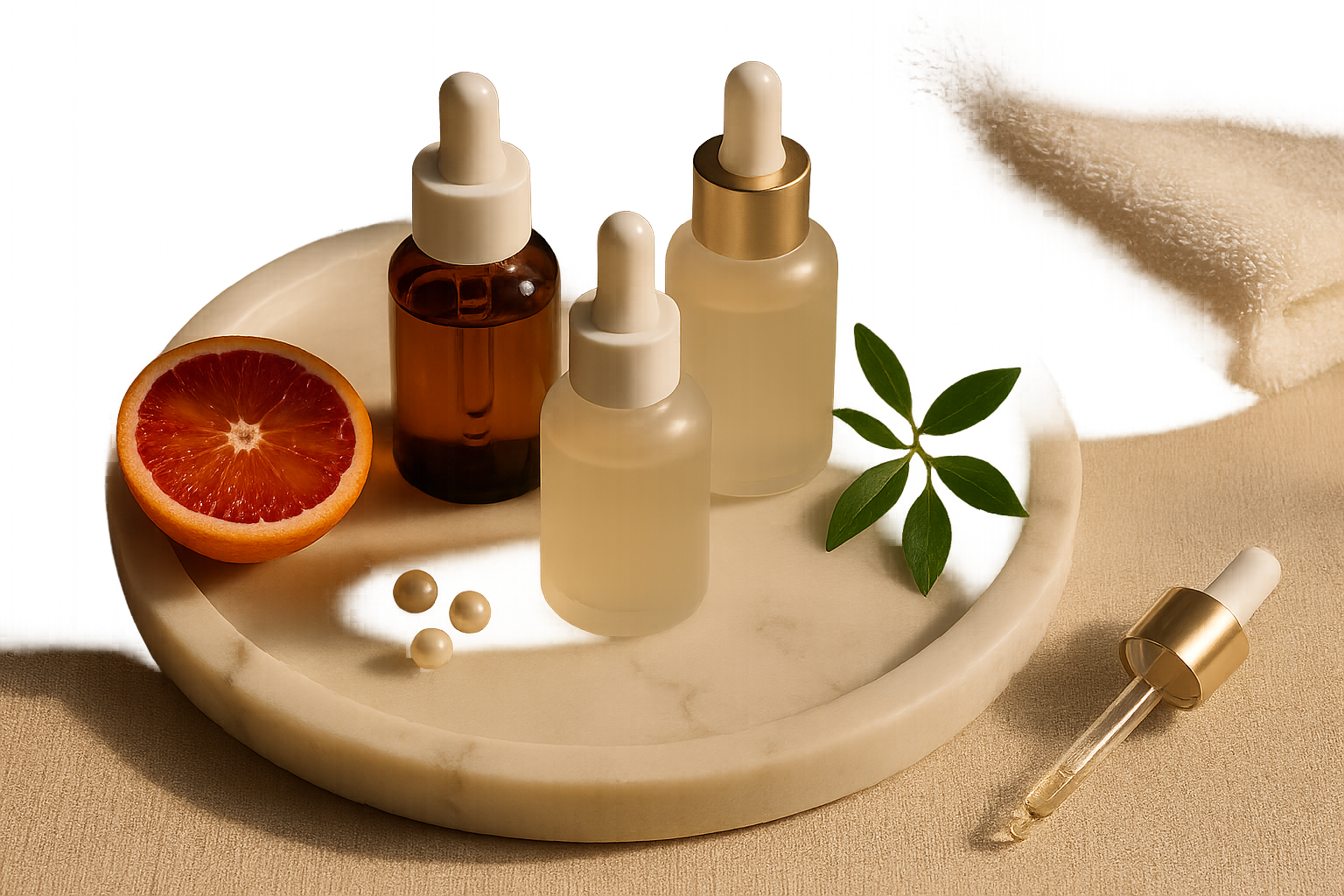
Why dark spots appear (and how a serum fits into the solution)
Dark spots and areas of uneven pigmentation develop for many reasons—sun exposure, past inflammation, hormones, and natural changes with time. A dedicated brightening serum concentrates targeted actives that help harmonize tone and refine surface texture, offering a focused complement to your cleanser, moisturizer and sunscreen. Think of a serum as a potent, lightweight layer that delivers higher concentrations of key ingredients to the skin without the weight of a cream. When selected and layered thoughtfully, a brightening serum can be the cornerstone of a routine designed to reveal a clearer, more luminous complexion.
How to choose the right brightening serum for your skin
Choosing a serum begins with your skin profile: sensitivity, dryness or oiliness, and any concurrent prescriptions or actives you already use. Look for active ingredients that match your priorities—stabilized vitamin C (antioxidant and brightening), niacinamide (tone-evening and barrier-friendly), alpha arbutin or kojic acid (spot-targeting), tranexamic acid (pigment modulation) and gentle chemical exfoliants like mild AHA or PHA for surface renewal. Packaging matters: air-tight, opaque bottles preserve light-sensitive actives. For sensitive or reactive skin, seek lower concentrations and fragrance-free formulas; for more resilient skin, a higher-strength option may be appropriate. Finally, consider texture and finish—serums should absorb quickly and layer comfortably under your daytime SPF and evening moisturizer.
Compare this recommended formula
Key brightening ingredients explained
Vitamin C: A potent antioxidant available in many forms—L-ascorbic acid is powerful but can be unstable, while derivatives such as magnesium or sodium ascorbyl phosphate offer gentler, more stable alternatives. Niacinamide: A versatile, well-tolerated ingredient that supports even tone and the skin barrier while blending smoothly with many actives. Alpha arbutin and kojic acid: Targeted tyrosinase-modulating ingredients commonly used to minimize the look of spots. Tranexamic acid: A multi-purpose ingredient favoured for pigment concerns, often paired with others for enhanced performance. Gentle exfoliants (AHA/PHA): Surface renewal helps serums penetrate and refresh texture, improving the appearance of discoloration. Retinoids: Encourage cellular turnover and complement brightening strategies when introduced carefully. Each ingredient has its own tolerability profile; combine thoughtfully and introduce one new active at a time.
Routine blueprint: when to use a brightening serum
Morning: choose antioxidant-rich serums (stable vitamin C, niacinamide blends) to protect and brighten; always finish with a broad-spectrum SPF during the day. Evening: reserve stronger actives (retinoids or exfoliating acids) for nighttime and consider brightening serums that work well with these ingredients. Frequency: start slowly—apply a new brightening serum every other night or a few times a week, then increase as tolerated. Layering order: after cleansing and any lightweight toner, apply the serum, then a moisturizer, and finish with SPF in the morning. If you use both a retinoid and a brightening serum, alternate nights or consult product guidance to reduce irritation risk.
Application tips and expert precautions
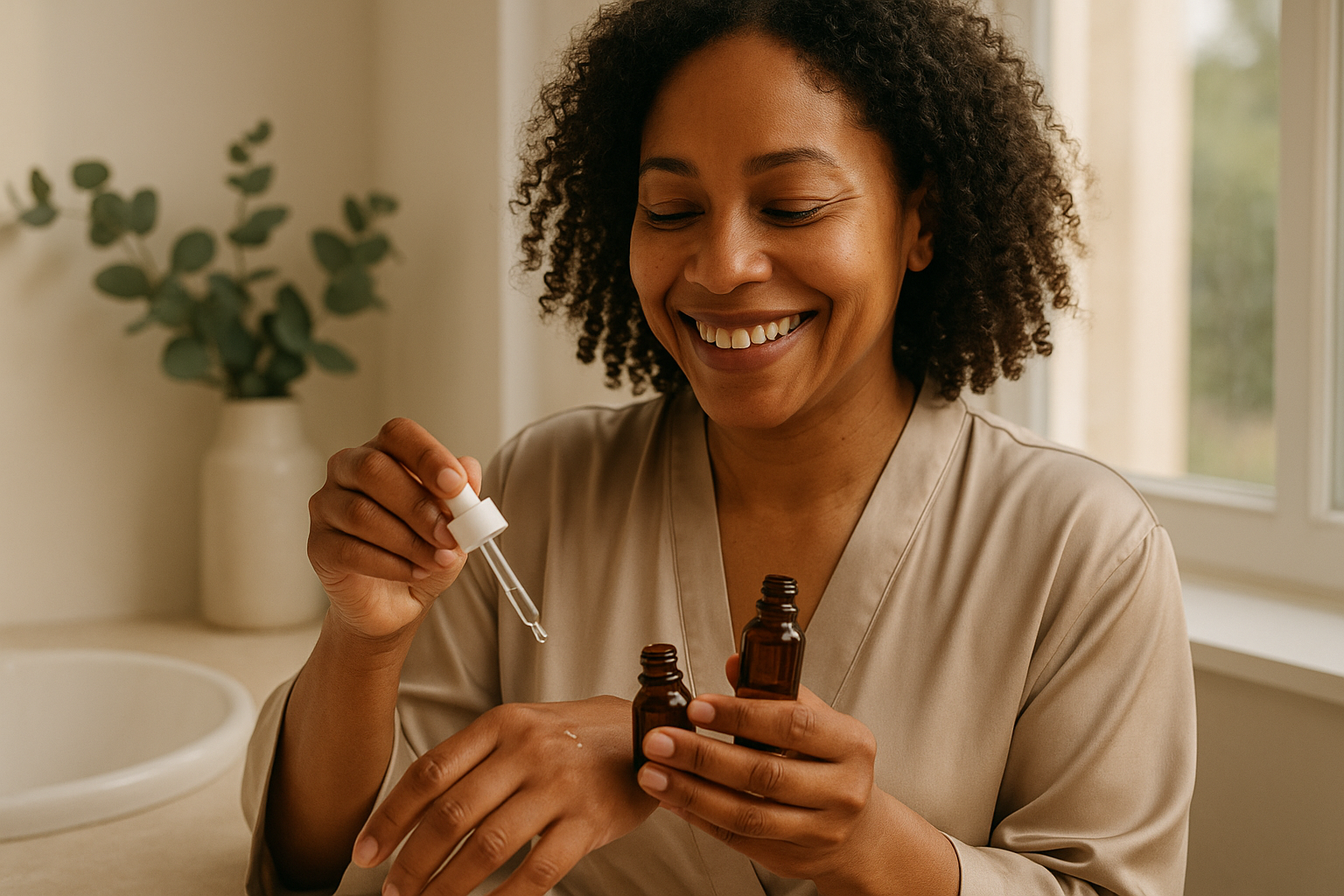
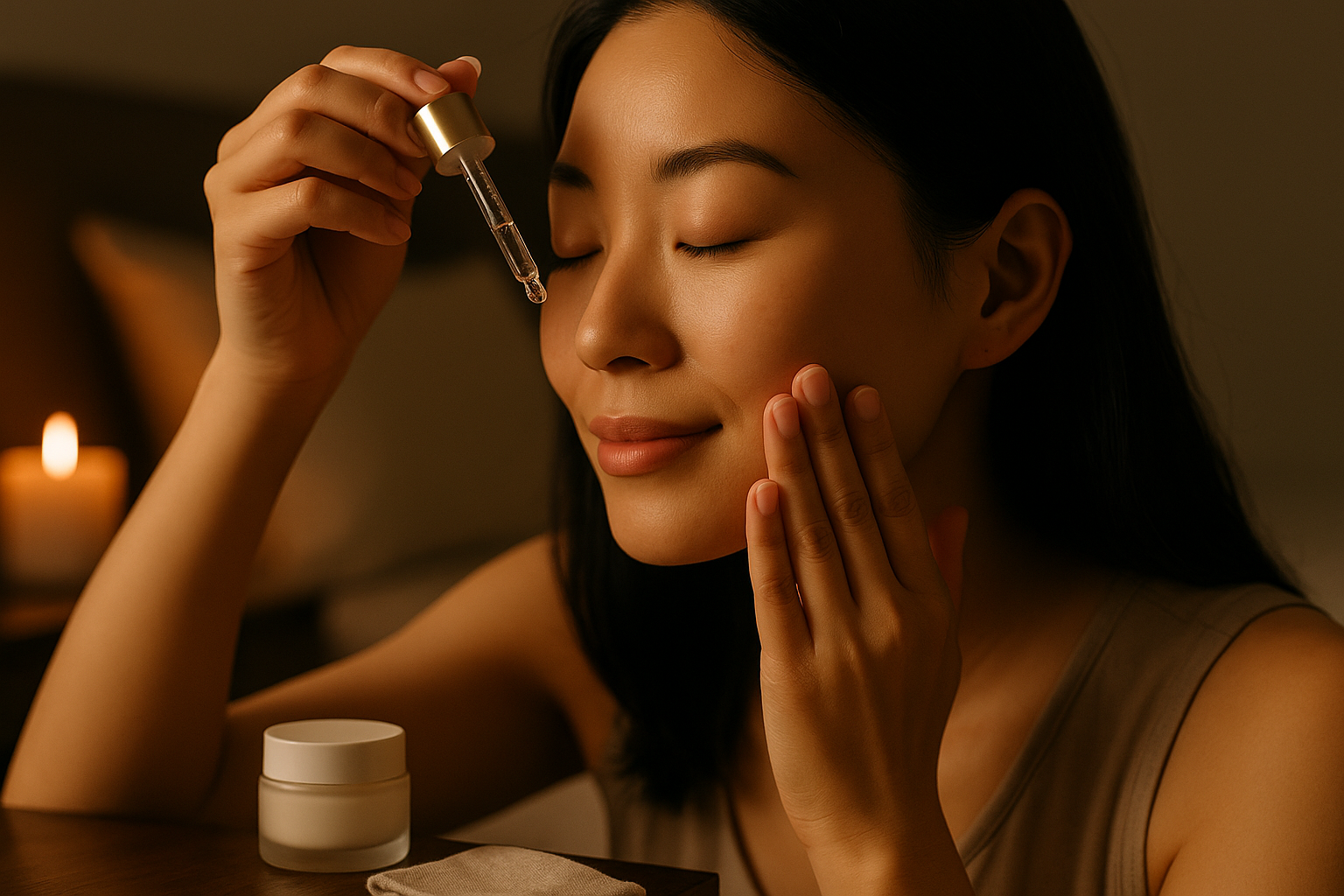
Patch-test new serums on the inner forearm or behind the ear before full-face use, particularly for concentrated actives. Use gentle, upward motions and allow each layer to absorb—typically a minute—before applying the next. Avoid mixing high-strength acids and retinoids in the same routine unless the formula is specifically designed for it; instead, stagger them to prevent sensitivity. Store light-sensitive serums in cool, dark places and follow manufacturer guidance on shelf life after opening. Importantly, daily sun protection is essential when working on pigmentation concerns, as UV exposure can counteract brightening efforts.
Curated picks: brightening serums worth considering
For a clinical, dermatologist-backed approach: SkinCeuticals Discoloration Defense — a focused option with tranexamic acid and kojic acid for persistent dark spots. For antioxidant-driven daily wear: a stable vitamin C serum (look for proprietary stabilizing formats). For sensitive or reactive skin: a niacinamide-forward serum with low-strength exfoliants or PHA. For textured or thicker spots: consider a serum that pairs mild AHA with pigment-targeting ingredients. For luxury seekers: nutrient-rich formulas with elegant textures and supportive antioxidants often provide a sensorial experience alongside active benefits. Choose two to three contenders, trial small sizes when possible, and prioritise how the product feels in use as much as its ingredient list.
Ingredient pairing: what to combine — and what to avoid
Complementary pairings: Vitamin C and niacinamide often work well together to support radiance and barrier function; tranexamic acid pairs smoothly with many antioxidants. Exercise caution pairing strong chemical exfoliants and high-strength retinoids on the same night to reduce irritation risk. Formaldehyde-releasing preservatives and unnecessary fragrance can aggravate sensitive skin—seek cleaner, simpler formulas if reactivity is a concern. When in doubt, introduce one new product at a time and observe how your skin responds over several weeks.
How to measure progress and refine your approach
Keep realistic expectations—subtle improvements in tone and texture typically reveal themselves over weeks to months, and results vary with lifestyle, sun exposure and consistency. Photograph your skin in consistent lighting every few weeks to track changes objectively, and note any sensitivity or improvements in texture. If irritation emerges, pause the active and simplify to a gentle cleanser, barrier-supporting moisturizer and SPF until the skin calms. For persistent or complex pigmentation, consult a licensed skincare professional to discuss in-person options alongside your home routine.
Quick routine templates for different skin priorities
Gentle daily brightening (sensitive skin): Cleanse with a creamy or micellar option, apply a niacinamide serum in the morning, moisturize with a calming formula, finish with broad-spectrum SPF. Evening: gentle cleanser, a low-concentration AHA or PHA product once or twice weekly, hydrating serum and rich moisturizer. Active tone correction (resilient skin): Morning antioxidant serum (stable vitamin C), SPF. Evening: targeted brightening serum with tranexamic acid or alpha arbutin on alternate nights with a retinoid. Texture focus: add a PHA or lactic acid serum twice weekly and a smoothing brightening serum on alternating evenings. Adjust frequency according to tolerance and season.
Final notes: building a beautiful, sustainable routine
A considered approach—choosing stable formulations, introducing actives slowly, and protecting skin daily with SPF—creates the best conditions for a brighter, more even-looking complexion. Luxury and efficacy are not mutually exclusive: seek thoughtfully formulated products that feel delightful to use so consistency becomes effortless. With patience, clarity around ingredients and careful layering, a brightening serum can be a refined, effective addition to your skincare wardrobe.
Frequently Asked Questions
How long until I notice a difference in dark spots?
Individual responses vary, but many people begin to see subtle improvements in tone and texture within several weeks; more visible changes may take two to three months of consistent use. Maintain daily sun protection and patience—results are cumulative.
Can I use a brightening serum with retinol or chemical exfoliants?
Yes, but introduce combinations thoughtfully. Alternate strong actives on different nights or choose formulations specifically designed to be used together to reduce the risk of irritation. If you have sensitive skin, start slowly and consult product guidance.
Do brightening serums make skin more sensitive to the sun?
Some exfoliating actives can increase sun sensitivity, so it’s essential to wear a broad-spectrum SPF daily while using brightening or exfoliating products. Using sun protection helps protect gains and prevent further pigmentation.
Are natural brightening ingredients effective?
Many botanical extracts and natural compounds can support a brighter-looking complexion, but efficacy depends on concentration, formulation and stability. Look for well-formulated products that combine proven actives with supportive botanicals for a balanced approach.
Recommended Product
SK-II Facial Treatment Essence
We feature SK-II Facial Treatment Essence as this article’s curated Amazon affiliate pick—a luxury-market reference that aligns with the editorial tone and routine ideas above. It gives readers a specific, high-quality option to explore when they are ready to shop. If you purchase through our links, we may earn a commission at no additional cost to you.
Final Thoughts
Explore our curated collection of brightening serums and find a premium, skin-suited option—discover texture, ingredients and travel-friendly sizes to begin a refined brightening routine today.