In this guide, we compare SHISEIDO Anessa Perfect UV Sunscreen (Premium Line), Clé de Peau Beauté UV Protective Cream, and POLA White Shot UV Blocker through the lens of best japanese sunscreen for sensitive skin in your 40s—the same trio you will see summarized in the comparison table below.
Many women in their 40s find sunscreens that were fine in their 20s suddenly feel irritating or drying. Changes in skin barrier resilience, routine layering and ingredient sensitivity can all play a part. This guide explains why irritation happens, how Japanese UV formulas differ, and which specific sunscreens suit sensitive, mature skin—so you can pick a sensible, elegant daily SPF.
See a high-protection pick that still feels premium
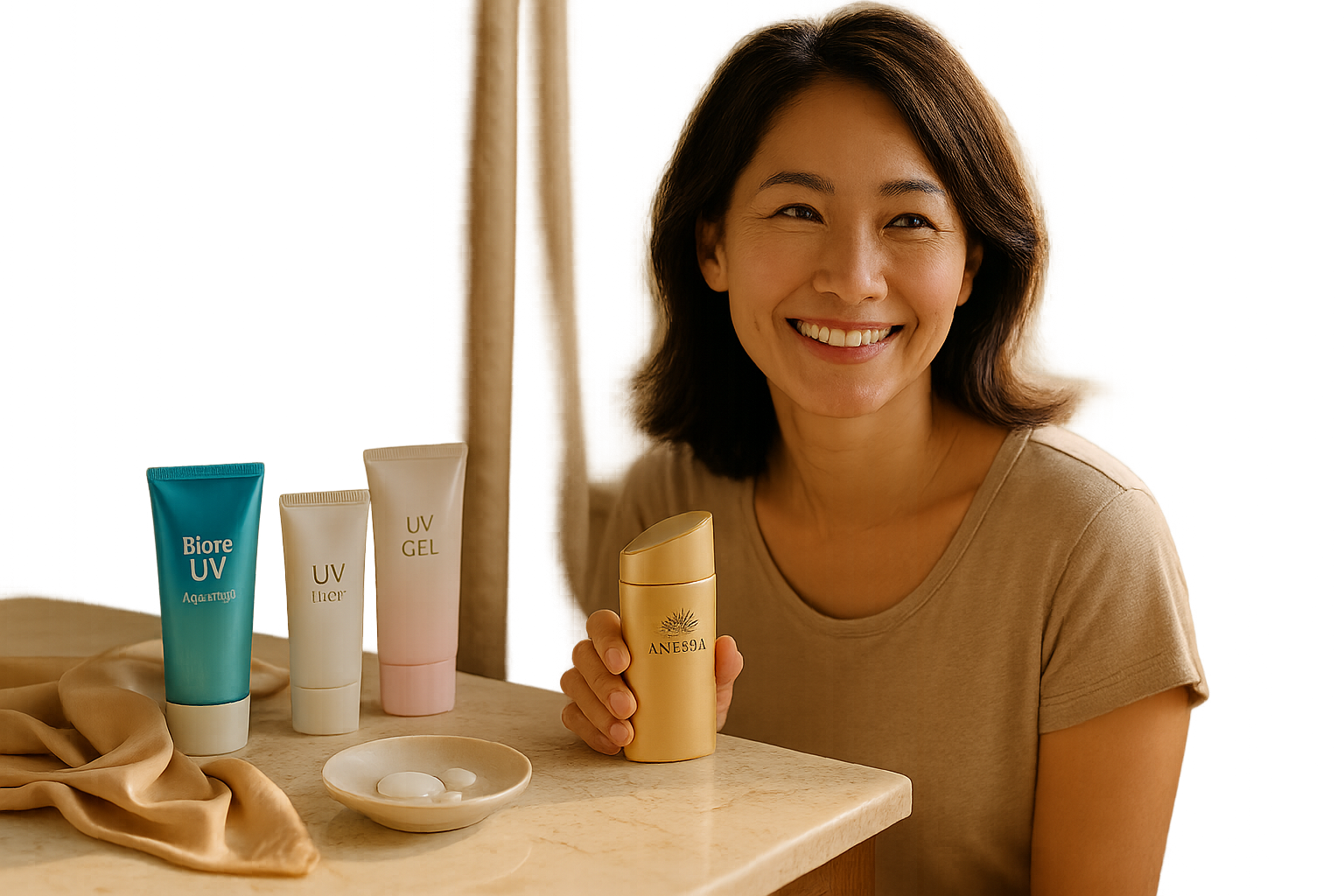
Why sunscreens can feel irritating in your 40s
One of the most common concerns is stinging, redness or tightness after application—even from products that worked before. In your 40s the skin’s surface often becomes thinner, drier and less able to bounce back quickly; this can make sensations from certain ingredients more noticeable. Other triggers include fragrance, high denatured alcohol levels, certain chemical filters or heavy astringent bases that strip oils. It’s also worth noting that changes in your overall routine—new actives, exfoliation, or different moisturizers—can make a previously tolerable sunscreen feel harsh. What often matters most is matching formula type and supporting ingredients to your skin’s current tolerance, not simply chasing the highest SPF number.
Japanese UV care: formula types and ingredients to know
Japanese sunscreens excel at elegant textures and cosmetic finishes; they also offer a range of base types that behave differently on sensitive, mature skin. Key categories to watch for: mineral (zinc oxide/titanium dioxide) sunscreens — generally gentler, slightly thicker, less likely to sting; chemical/organic filters — often thinner and cosmetically appealing but can irritate reactive skin if formulations include high alcohol or strong solvents; hybrid formulas — combine mineral filters with lighter chemical filters for balance. Beyond filters, scan for fragrance-free and low-denatured-alcohol labels if you’re prone to stinging. Look for emollients like squalane, glycerin or ceramide-friendly hints that help cushion the barrier. Finally, note whether the product is marketed as ‘sensitive skin’ or ‘dermatologist tested’—these cues often indicate reduced additives but always check the ingredient list rather than relying on labels alone.
Continue exploring · If you are refining your full ritual, continue with How to Choose the Right Luxury Serum for Your Skin Type: A Complete Guide to Hydration, Brightening, and Age‑Defying Radiance
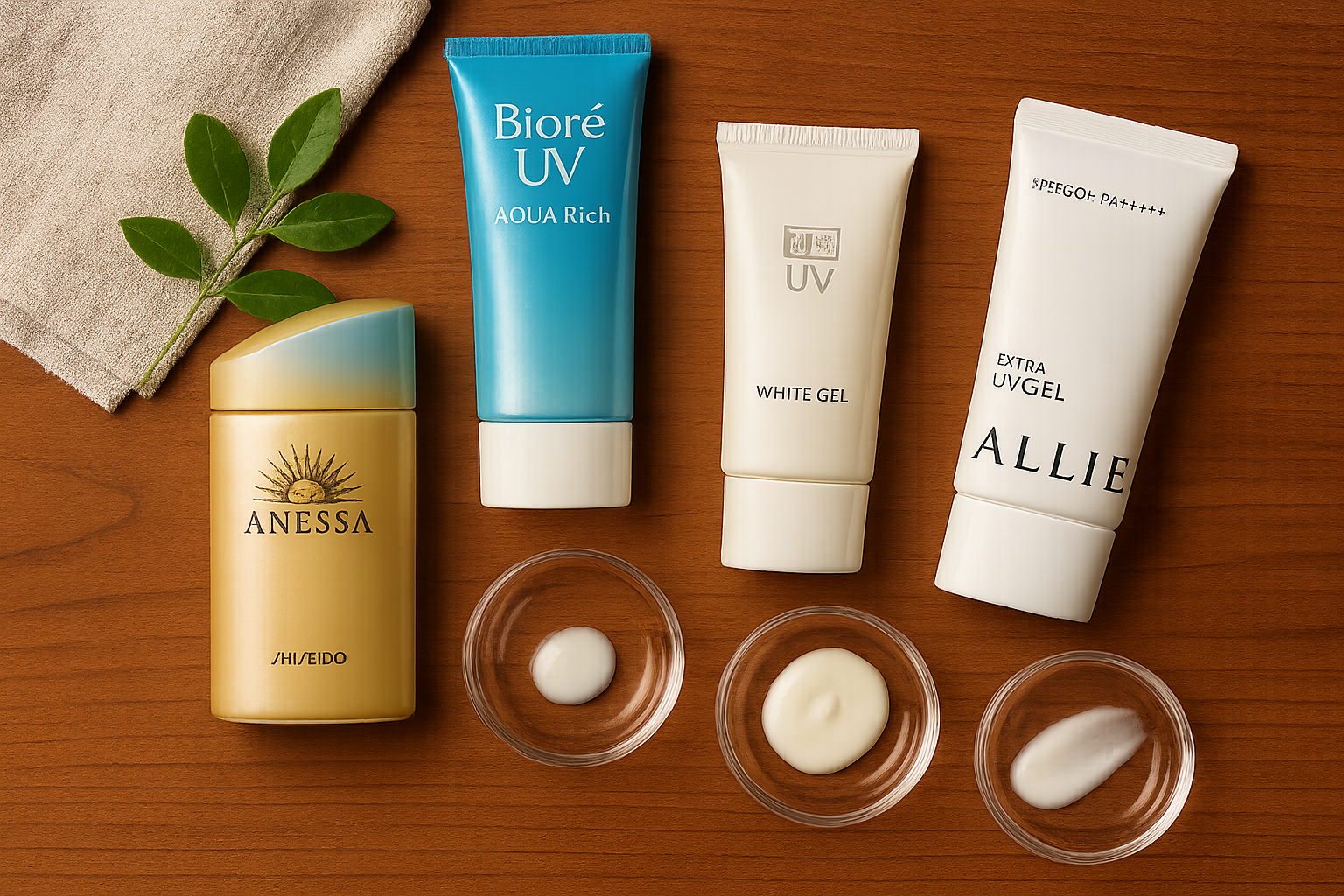
Compare finish and use-case across three SPF picks
How to choose: trade-offs and who each formula suits
We discipline the narrative around three concrete luxury references—SHISEIDO Anessa Perfect UV Sunscreen (Premium Line), Clé de Peau Beauté UV Protective Cream, and POLA White Shot UV Blocker. These are not background examples; they are the same formulas named again in the comparison table, so you are never reconciling one shortlist in the prose with a different roster later.
SHISEIDO Anessa Perfect UV Sunscreen (Premium Line) is the row we emphasize when lines that read deeper by evening, or a preference for a richer, weightier feel lead the brief. In the table, that priority is labeled Daily UV exposure; editorially, Emphasizes real-world wear scenarios.
Clé de Peau Beauté UV Protective Cream is the row we emphasize when lines that read deeper by evening, or a preference for a richer, weightier feel lead the brief. In the table, that priority is labeled Deeper lines; editorially, Emphasizes real-world wear scenarios.
POLA White Shot UV Blocker is the row we emphasize when dullness, uneven daylight tone, or makeup that never quite sits evenly lead the brief. In the table, that priority is labeled Dull uneven tone; editorially, Offers a clearly different angle from the other rows.
Top Japanese sunscreens compared — same contenders, clear trade-offs
We discipline the narrative around three concrete luxury references—SHISEIDO Anessa Perfect UV Sunscreen (Premium Line), Clé de Peau Beauté UV Protective Cream, and POLA White Shot UV Blocker. These are not background examples; they are the same formulas named again in the comparison table, so you are never reconciling one shortlist in the prose with a different roster later.
SHISEIDO Anessa Perfect UV Sunscreen (Premium Line) is the row we emphasize when lines that read deeper by evening, or a preference for a richer, weightier feel lead the brief. In the table, that priority is labeled Daily UV exposure; editorially, Emphasizes real-world wear scenarios.
Clé de Peau Beauté UV Protective Cream is the row we emphasize when lines that read deeper by evening, or a preference for a richer, weightier feel lead the brief. In the table, that priority is labeled Deeper lines; editorially, Emphasizes real-world wear scenarios.
POLA White Shot UV Blocker is the row we emphasize when dullness, uneven daylight tone, or makeup that never quite sits evenly lead the brief. In the table, that priority is labeled Dull uneven tone; editorially, Offers a clearly different angle from the other rows.
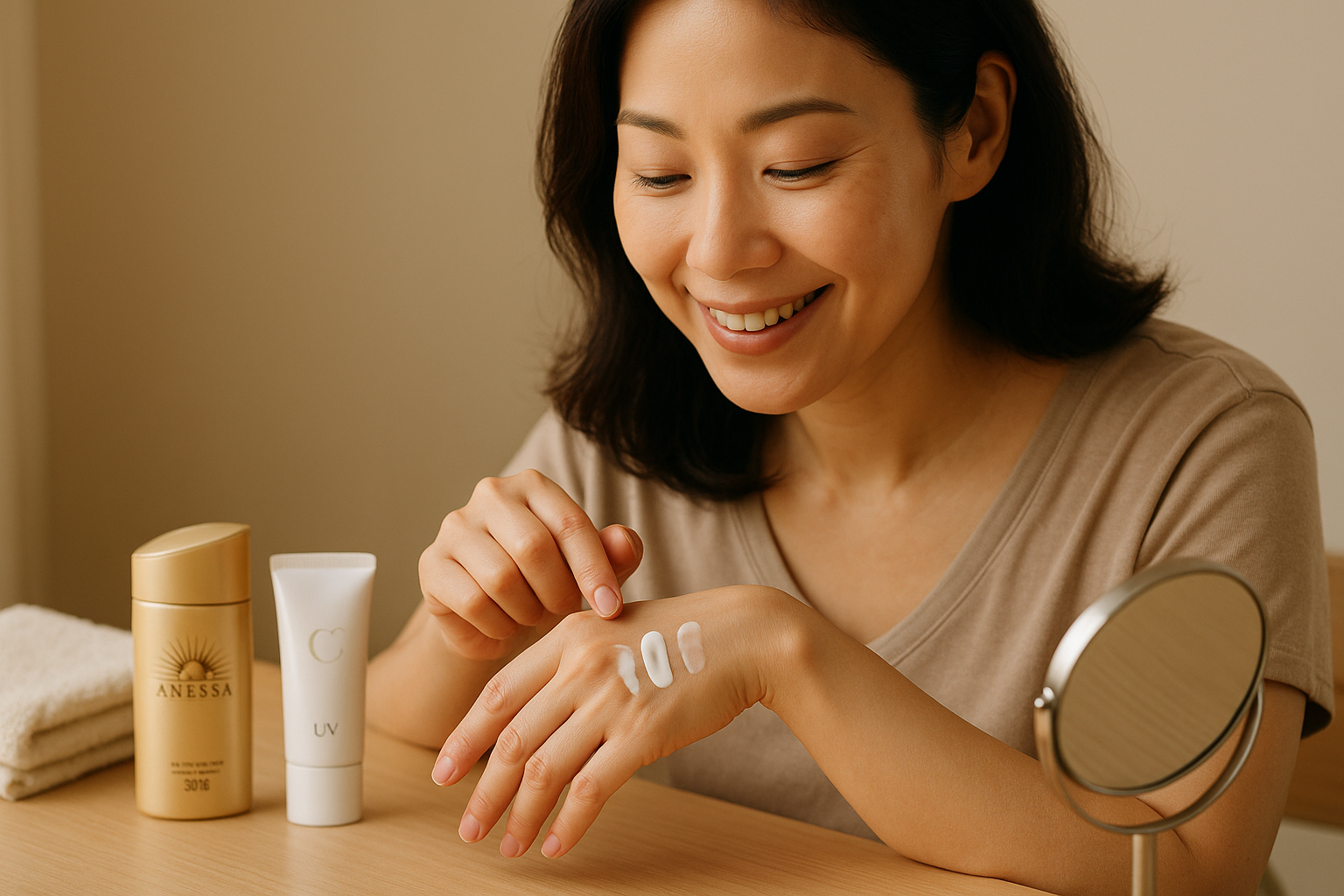
Application, layering and seasonal tips for sensitive mature skin
How you use sunscreen can change how it feels. Apply SPF to clean, damp skin or after a thin layer of your daily hydrator—this can reduce direct contact between active filters and the skin surface. For those in their 40s, a lightweight emollient or a thin facial oil under SPF can ease sensations of tightness. Use the recommended amount (about a nickel-to-quarter sized for face and neck) and pat rather than rub to avoid friction. In cooler months, choose creamier textures (Hada Labo Creamy Gel or milky Anessa) to offset dryness. In humid months, a watertight gel (Biore or Allie) can feel fresher. If you’re using actives like retinoids or glycolic acids, apply SPF in the morning and space your routine—avoid layering a strong active immediately before a potentially solvent-heavy sunscreen. Reapply every two to three hours when outdoors, and carry a travel-size you tolerate well for touch-ups.
Quick routine checklist and shopping tips
Before you buy: 1) read the ingredient list for fragrance, high denatured alcohol, and known personal irritants; 2) prefer ‘fragrance-free’ and ‘low alcohol’ claims when available; 3) choose the texture you’ll actually use every day—consistency beats ideal specs. Patch-test protocol: apply a small amount behind the ear or along the inner forearm for two days and watch for delayed reactions. When comparing products, keep these same names in mind—Shiseido Anessa, Biore Aqua Rich, Hada Labo Creamy Gel, Kanebo Allie—and weigh finish, tolerance and seasonal needs. Finally, sample where possible: many retailers offer travel sizes, and a few brands have trial caps so you can confirm comfort before committing to full-size bottles.
Use the comparison to match texture and intent to your routine
Recommended Options Comparison
Each row is meant to read differently—if two lines sound identical, look at Texture and Ideal Concern first. Not medical advice; patch-test when unsure.
| Product | Best for | Texture | Ideal Concern | Why It Stands Out | Shop |
|---|---|---|---|---|---|
| SHISEIDO Anessa Perfect UV Sunscreen (Premium Line) | Daily UV exposure | Elegant daily-wear | UV load, outdoor rhythm, protection habit | Emphasizes real-world wear scenarios—outdoor rhythm, reapplication, or finish under makeup. | View on Amazon |
| Clé de Peau Beauté UV Protective Cream | Deeper lines | Elegant daily-wear | UV load, outdoor rhythm, protection habit | Emphasizes real-world wear scenarios—outdoor rhythm, reapplication, or finish under makeup. | View on Amazon |
| POLA White Shot UV Blocker | Dull uneven tone | Rich / cushioning | Dullness, uneven tone, lack of glow | Offers a clearly different angle from the other rows—compare finish, intent, and where it sits in a ritual. | View on Amazon |
Editor notes on each pick
Short, decision-oriented context before you click through—still editorial, not a guarantee of results.
Worth considering when your face turns red after cleansing but you still want a polished, prestige finish.
Makes sense when reapplication, sweat, or makeup compatibility—not just SPF numbers—is part of your day.
Makes sense when reapplication, sweat, or makeup compatibility—not just SPF numbers—is part of your day.
Continue exploring · For a more complete luxury routine, see Which Japanese Serum Actually Fits Your Sensitive Skin in Your 40s? Compare Luxury Formulas by Skin Needs
Final Recommendation
A concise map—not a prescription. Use it alongside the comparison table and your own preferences.
- If your skin stings after cleansing, turns red easily, or feels hot when you add a new serum → consider SHISEIDO Anessa Perfect UV Sunscreen (Premium Line). Worth considering when your face turns red after cleansing but you still want a polished, prestige finish.
- If your complexion looks dull and uneven—rough patches, shadowy zones, or tired color under natural light → consider POLA White Shot UV Blocker. Makes sense when reapplication, sweat, or makeup compatibility—not just SPF numbers—is part of your day.
- If lines look deeper at the end of the day, or creases stay etched after you stop smiling → consider Clé de Peau Beauté UV Protective Cream. Makes sense when reapplication, sweat, or makeup compatibility—not just SPF numbers—is part of your day.
Match by skin situation
Three reader profiles—not rigid rules. Use them to narrow the field, then cross-check with the table above.
- If your skin stings after cleansing, turns red easily, or feels hot when you add a new serum, start your shortlist with SHISEIDO Anessa Perfect UV Sunscreen (Premium Line).
- If your complexion looks dull and uneven—rough patches, shadowy zones, or tired color under natural light, start your shortlist with POLA White Shot UV Blocker.
- If lines look deeper at the end of the day, or creases stay etched after you stop smiling, start your shortlist with Clé de Peau Beauté UV Protective Cream.
Recommended Product
SHISEIDO Anessa Perfect UV Sunscreen (Premium Line)
Worth considering when your face turns red after cleansing but you still want a polished, prestige finish.
We feature SHISEIDO Anessa Perfect UV Sunscreen (Premium Line) as this article’s curated Amazon affiliate pick—a luxury-market reference that aligns with the editorial tone and routine ideas above. It gives readers a specific, high-quality option to explore when they are ready to shop. If you purchase through our links, we may earn a commission at no additional cost to you.
Final Thoughts
Curious how Anessa compares to lighter Japanese textures? Explore our top pick and compare the formulas—find the sunscreen that suits your skin and your routine.
There is no one perfect serum — only the one that fits your skin today.
Frequently Asked Questions
Why does sunscreen sting my face in my 40s when it didn’t before?
Aging skin can be thinner and drier, which makes sensations from alcohol, certain filters or fragrances more noticeable. Changes in other products—strong actives or exfoliation—can also raise sensitivity. Choosing gentler bases and patch-testing can help identify the trigger.
Is a mineral-only Japanese sunscreen the safest pick for sensitive mature skin?
Mineral formulas (zinc, titanium) are often gentler and less likely to cause immediate stinging, but they can feel heavier. They’re a good option if you’re reactive, though a hybrid or emollient-rich chemical formula can also work if it’s fragrance-free and low in solvent alcohol.
Which Japanese sunscreen textures are best under makeup for 40-something skin?
Watery essences like Biore UV Aqua Rich layer invisibly under makeup, while milky lotions such as Shiseido Anessa give a hydrated base that can smooth foundation application. Creamy gels (Hada Labo) balance hydration and finish for drier combination skin.
How should I patch-test a Japanese sunscreen before buying the full size?
Apply a small amount behind your ear or on the inner forearm, leave it on for 24–48 hours without washing the area, and observe for redness, stinging or itch. If irritation appears, don’t proceed to full-face use.