In this guide, we compare shu uemura Cleansing Oil, TATCHA Camellia Cleansing Oil, and DHC Deep Cleansing Oil through the lens of best Japanese cleansing oils for dry mature skin—the same three formulas you will see in the comparison table and Recommended Product section below.
This guide compares formulas by product type, texture, ingredient positioning, and routine fit. This is non-medical editorial guidance, not a diagnosis or treatment recommendation. Patch-test when introducing a new formula, especially if your skin is reactive.
A cleansing oil can be especially useful when dry, mature-looking skin needs makeup and sunscreen removed with less rubbing. The important difference is not simply whether a formula contains oil; it is how the product spreads, how readily it emulsifies with water, and how the skin feels after rinsing. shu uemura Cleansing Oil, TATCHA Camellia Cleansing Oil, and DHC Deep Cleansing Oil offer three distinct takes on that first step. This guide compares their likely routine roles rather than promising that one formula suits everyone. The goal is a cleanser that removes the day efficiently, rinses in a way you enjoy, and leaves the rest of the routine easier to apply.

Why Cleansing Oil Can Suit Dry, Mature-Looking Skin
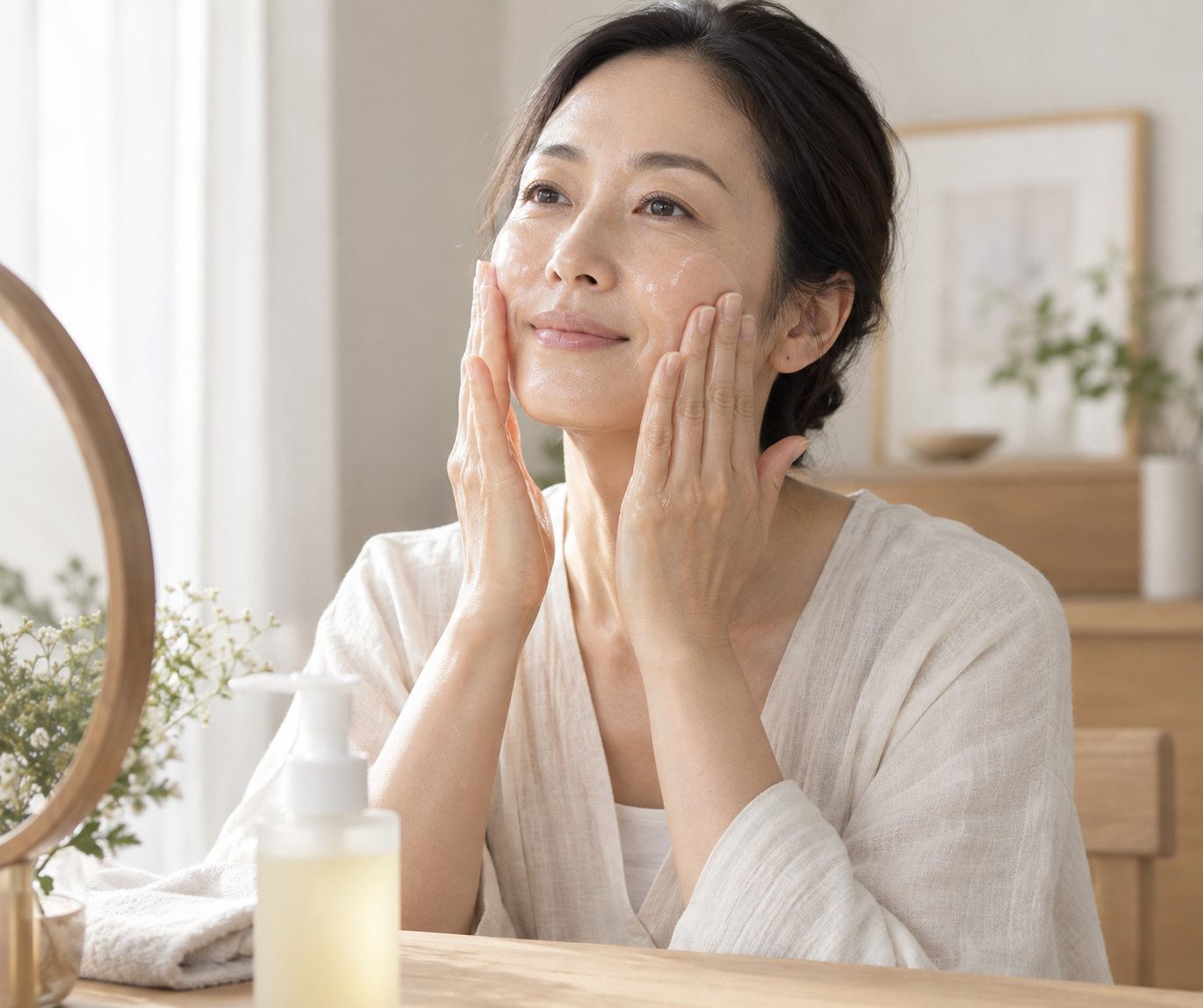
Long-wear base makeup, water-resistant sunscreen, and richly pigmented eye products can take repeated wiping to remove with a light cleanser alone. An oil cleanser is designed to loosen oil-soluble residue so it can be massaged away with less friction. That can make the evening routine feel more comfortable when skin already feels dry or looks easily creased after cleansing.
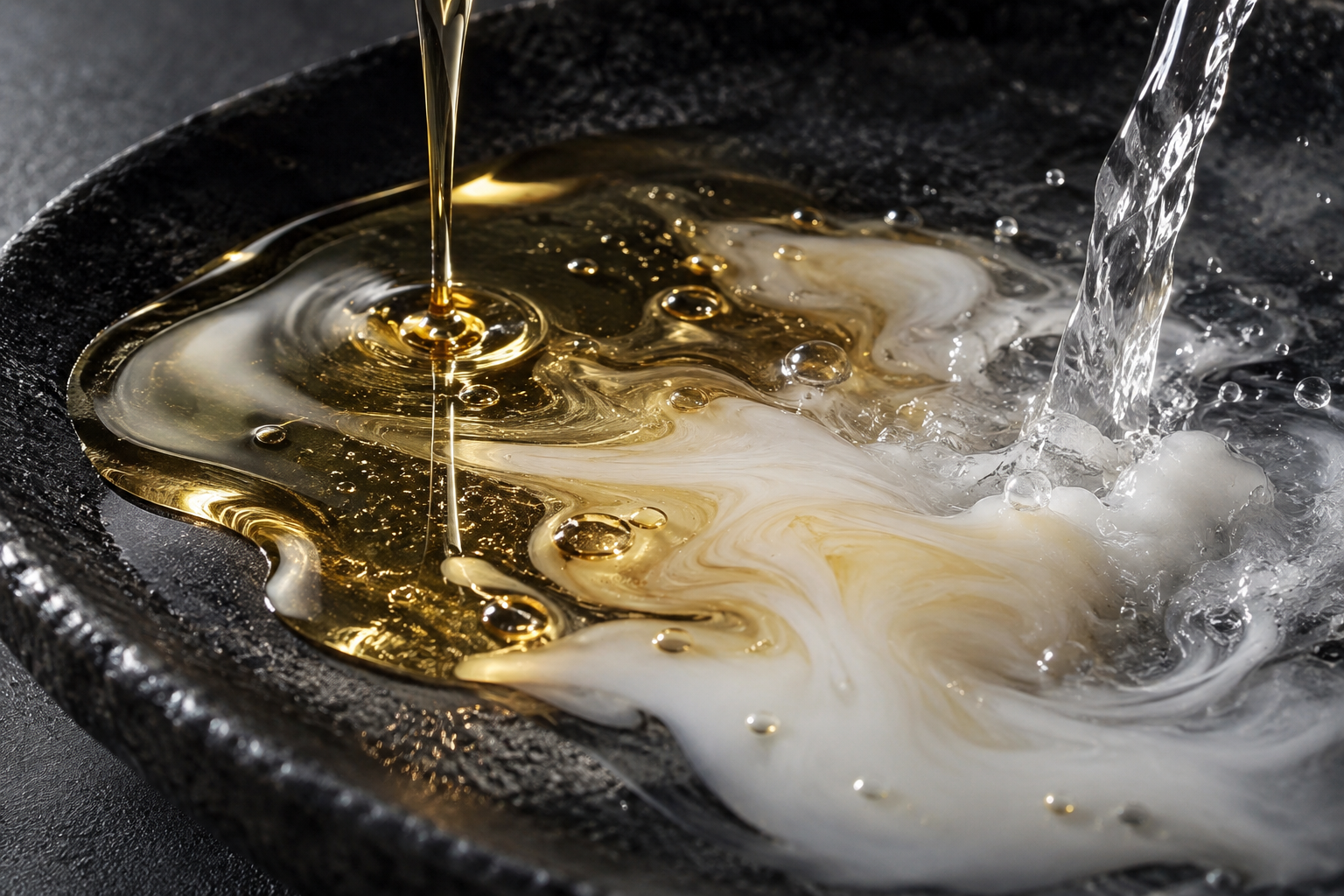
Technique matters as much as the bottle. Begin with dry hands and a dry face, spread the oil gently, then add a small amount of water until the texture turns milky. Rinse without hot water or a rough cloth. A longer massage is not automatically better; excessive rubbing can undermine the comfort you chose an oil for in the first place.
An oil cleanser is also not a moisturizer. A soft after-feel may be pleasant, but it should still rinse clean enough for the following steps. If residue remains around the hairline or nose, refine the amount, emulsification, or rinse time before assuming that every oil cleanser is unsuitable.
shu uemura Cleansing Oil: Best Overall for a Polished Double Cleanse
shu uemura Cleansing Oil leads this comparison because its role is easy to understand: it is a dedicated makeup-removing first cleanse with an emphasis on slip, emulsification, and routine versatility. It is the most natural starting point for someone who wears sunscreen daily, uses foundation regularly, or wants a refined first step before a gentle water-based cleanser.
The appeal is balance. A well-emulsifying oil can dissolve cosmetic residue without requiring an aggressive massage, then transform with water so the rinse feels controlled rather than greasy. For dry, mature-looking skin, that efficient change from oil to milk is more meaningful than a dramatic foam. It can help preserve a comfortable surface feel while preparing the face for a light second cleanse when one is actually needed.
The drawback is that a premium cleansing oil may feel unnecessary for minimal-makeup days, and the exact amount can take a few uses to calibrate. Anyone who strongly prefers a one-step rinse or a very plush, lingering finish may find another direction more satisfying.
Continue exploring · For a more complete luxury routine, see Oil vs Foam Cleansers: What Works Best for Mature Skin in Japanese Skincare?
See how these three picks diverge in the comparison
TATCHA Camellia Cleansing Oil: Best for a Cushioning, Ritual-Led Texture
Texture and ingredient positioning often decide the fit between shu uemura Cleansing Oil, TATCHA Camellia Cleansing Oil, and DHC Deep Cleansing Oil. Below is a texture-focused read based on ingredient lists and product positioning—not hands-on testing claims.
shu uemura Cleansing Oil reads as silky / melt-away with makeup and spf removal focus. Trade-off to note: needs thorough rinse; not ideal for very reactive skin.
TATCHA Camellia Cleansing Oil reads as silky / melt-away with makeup and spf removal focus. Trade-off to note: needs thorough rinse; not ideal for very reactive skin.
DHC Deep Cleansing Oil reads as silky / melt-away with makeup and spf removal focus. Trade-off to note: needs thorough rinse; not ideal for very reactive skin.
DHC Deep Cleansing Oil: Best for a Substantial, Straightforward First Cleanse
Use this decision lens to narrow shu uemura Cleansing Oil, TATCHA Camellia Cleansing Oil, and DHC Deep Cleansing Oil without treating every option as equally perfect. Pick the row that matches your daily routine constraint, not the loudest marketing angle.
Lean toward shu uemura Cleansing Oil when your skin stings after cleansing, turns red easily, or feels hot when you add a new serum—the comparison table labels this row as Easily irritated.
Lean toward TATCHA Camellia Cleansing Oil when your complexion looks dull and uneven under natural light—the comparison table labels this row as Dull uneven tone.
Lean toward DHC Deep Cleansing Oil when lines look deeper at the end of the day, or creases stay etched after you stop smiling—the comparison table labels this row as Deeper lines.
How to Choose Between the Three Oils
A Gentle Oil-Cleansing Method That Avoids Unnecessary Rubbing
Dispense the oil into dry palms and spread it across a dry face with broad, light movements. Focus on areas where makeup and sunscreen collect, but avoid repeatedly circling the same spot. For eye makeup, pause briefly to let the oil loosen product before sweeping gently; do not force the process if the eyes are sensitive.
Wet fingertips and work the water into the oil until the surface looks cloudy or milky. This emulsification step helps the oil and loosened residue rinse away. Add water gradually rather than splashing everything off at once. Finish with lukewarm water and pat dry.
If using a second cleanser, keep it mild and brief. The purpose is to remove remaining residue, not to repeat the entire cleansing process. Follow with the rest of the routine while the skin still feels comfortable. Persistent stinging, redness, or eye irritation is a reason to stop and reconsider the formula or method.
The Verdict: Match the Rinse Experience to Your Routine
For most readers comparing these three, shu uemura Cleansing Oil offers the clearest all-around fit. It aligns well with sunscreen and makeup removal, supports double cleansing, and represents the polished emulsifying experience many people seek from a Japanese cleansing oil.
TATCHA Camellia Cleansing Oil is the more sensorial choice, especially when a cushiony texture makes the evening cleanse feel gentler and more appealing. DHC Deep Cleansing Oil is the direct, substantial option for those who want a classic oil feel and a thorough first step.
The best cleanser is not the one that creates the strongest post-rinse sensation. It is the one that removes what you wear with minimal friction and leaves the skin ready for the next step. Start with a measured amount, emulsify fully, and let consistent comfort guide the decision.
Move to the side-by-side view to choose with confidence
Side-by-Side Comparison (Three Formulas)
Start with your skin priority and the trade-off you can accept; price and availability are confirmed on Amazon.
shu uemura Cleansing Oil
TATCHA Camellia Cleansing Oil
DHC Deep Cleansing Oil
Editor notes on each pick
Short, decision-oriented context before you click through—still editorial, not a guarantee of results.
Particularly practical when sunscreen and long-wear base products leave residue that still needs a luxe removal step.
A good fit if your skin feels tight and looks flat by afternoon, especially when sleep has been uneven.
Leans useful when smile lines stay visible at rest and you want a weightier, more substantial feel on the skin.
Continue exploring · To compare textures and intent across another guide, read Japanese Morning vs Evening Skincare Routine for Mature, Dehydrated Skin
Final Recommendation
A concise map—not a prescription. Use it alongside the comparison table and your own preferences.
- If your skin stings after cleansing, turns red easily, or feels hot when you add a new serum → consider shu uemura Cleansing Oil. Particularly practical when sunscreen and long-wear base products leave residue that still needs a luxe removal step.
- If your complexion looks dull and uneven—rough patches, shadowy zones, or tired color under natural light → consider TATCHA Camellia Cleansing Oil. A good fit if your skin feels tight and looks flat by afternoon, especially when sleep has been uneven.
- If lines look deeper at the end of the day, or creases stay etched after you stop smiling → consider DHC Deep Cleansing Oil. Leans useful when smile lines stay visible at rest and you want a weightier, more substantial feel on the skin.
Recommended Product
shu uemura Cleansing Oil
shu uemura Cleansing Oil makes sense when you accept the trade-off (needs thorough rinse; not ideal for very reactive skin) but still want a focused first purchase from this shortlist.
shu uemura Cleansing Oil is the lead recommendation for readers who want a polished, versatile first-cleansing step with a strong emphasis on makeup removal and double-cleansing compatibility. TATCHA Camellia Cleansing Oil offers a more cushiony, sensorial direction, while DHC Deep Cleansing Oil is the straightforward choice for those who prioritize a substantial oil texture and thorough rinse. The best fit depends on how much makeup or sunscreen you remove, the finish you prefer, and whether a second cleanser follows.
Check Price & Availability on Amazon
Price and availability can change. Opens Amazon in a new tab.
Final Thoughts
Choose the oil whose texture and rinse best match your makeup habits, then introduce it with a short, gentle emulsifying routine.
There is no one perfect cleanser — only the one that fits your skin today.
Price and availability can change. Opens Amazon in a new tab.
Frequently Asked Questions
Which Japanese cleansing oil is best for dry, mature skin?
shu uemura Cleansing Oil is the balanced lead choice for makeup removal and double-cleansing compatibility. TATCHA Camellia Cleansing Oil favors a more cushiony ritual, while DHC Deep Cleansing Oil offers a substantial classic oil texture.
Do I need a second cleanser after a Japanese cleansing oil?
Not always. A second gentle cleanser can be useful after heavy makeup or water-resistant sunscreen, but it should not leave the skin tight. Judge by residue, comfort, and the complete evening routine.
Can cleansing oil make dry skin feel more comfortable?
It can reduce the rubbing needed to loosen makeup and sunscreen, which may make cleansing feel more comfortable. It is still a rinse-off step, so follow with appropriate leave-on hydration rather than treating it as moisturizer.
How long should I massage cleansing oil on my face?
Use only enough time to distribute the oil and loosen residue with light pressure. A prolonged massage is unnecessary. Thorough emulsification with small amounts of water is usually more important than extending massage time.
Pingback: shu uemura vs TATCHA vs DHC Cleansing Oils for Dull, Dry Skin - Japan Beauty Luxe
Pingback: Best Japanese Cleansing Oils for Dry Skin in Cold Weather - Japan Beauty Luxe