In this guide, we compare HADA LABO Premium Lotion, Shiseido Ultimune, and SK-II Essence through the lens of replaced my skincare routine with japanese skincare—the same trio you will see summarized in the comparison table below.
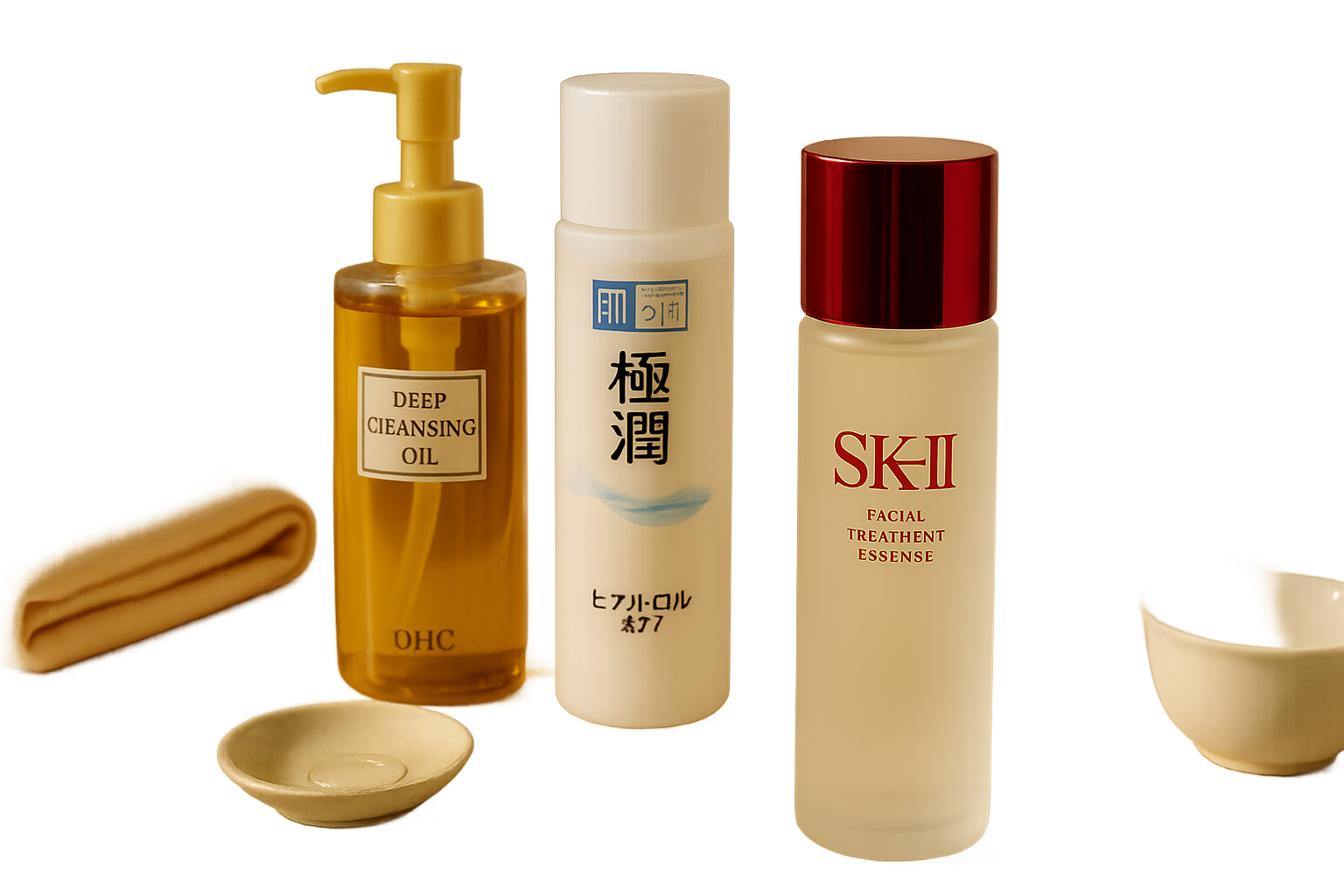
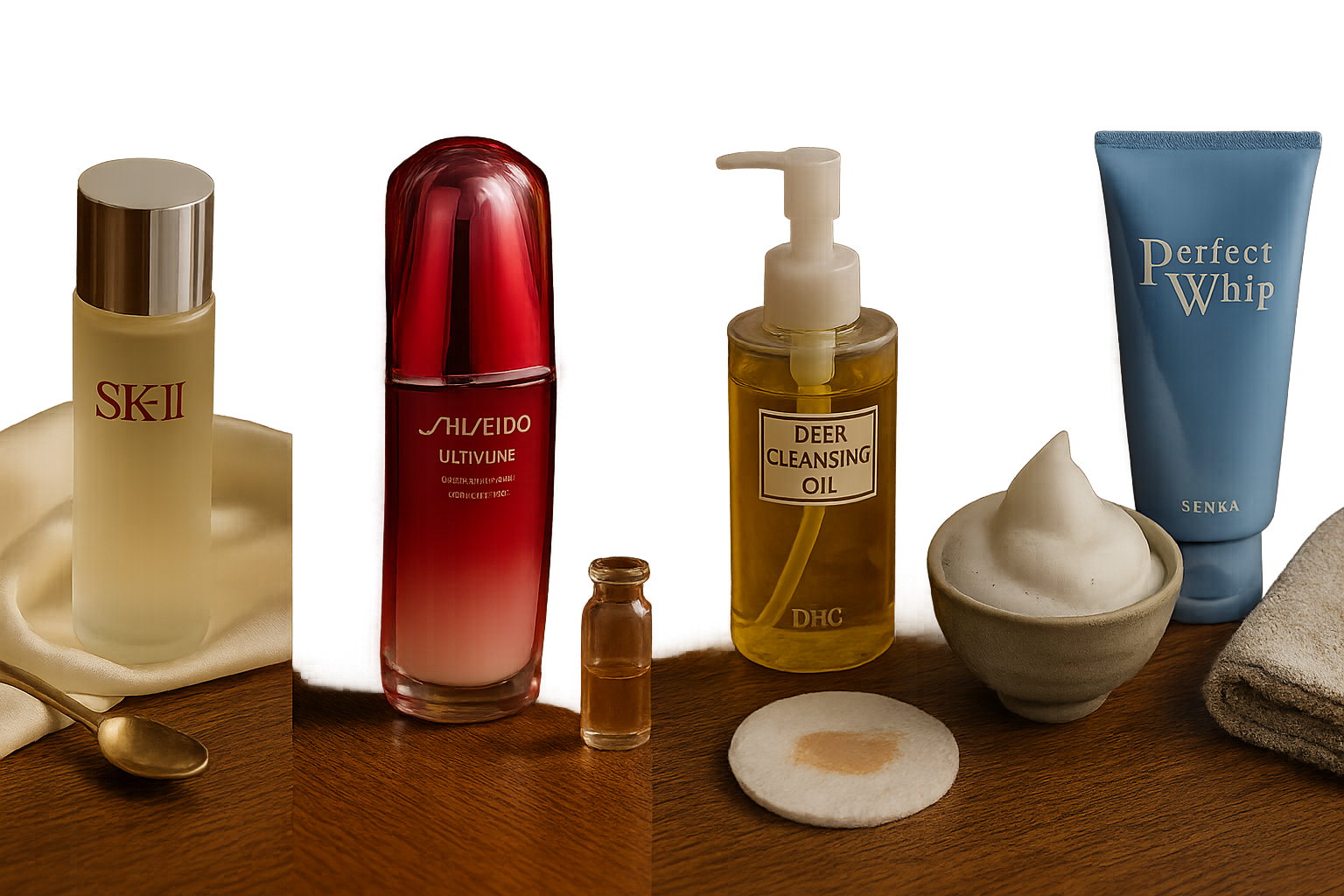
I committed one month to a fully Japanese routine — starting at double cleansing and ending with a delicate essence and minimalist cream. I used DHC Deep Cleansing Oil, Shiseido Senka Perfect Whip, Hada Labo Gokujyun Hyaluronic Acid Lotion, Shiseido Ultimune Power Infusing Concentrate and SK-II Facial Treatment Essence so you can see direct trade-offs between popular Japanese staples. Below is an honest, day-by-day account plus clear guidance on which formulas suit which concerns and lifestyles.
Explore a ritual-friendly pick from the luxury shelf
What I actually changed: step-by-step routine swaps
Rather than a scattershot swap, I replaced each step with a Japanese counterpart so the experiment would be repeatable. My evening routine became: makeup removed with DHC Deep Cleansing Oil; gentle foaming cleanse with Shiseido Senka Perfect Whip; a hydrating layer of Hada Labo Gokujyun Hyaluronic Acid Lotion (the Japanese ‘lotion’ step); an antioxidant or balancing boost from Shiseido Ultimune Power Infusing Concentrate; then SK-II Facial Treatment Essence before a light cream. Morning steps were simplified — a splash cleanse, Hada Labo lotion, Ultimune or a lightweight serum, SK‑II essence if I wanted extra hydration, then sunscreen. Each swap emphasized texture, layering and ritual rather than adding more actives.
Why Japanese textures and layering feel different
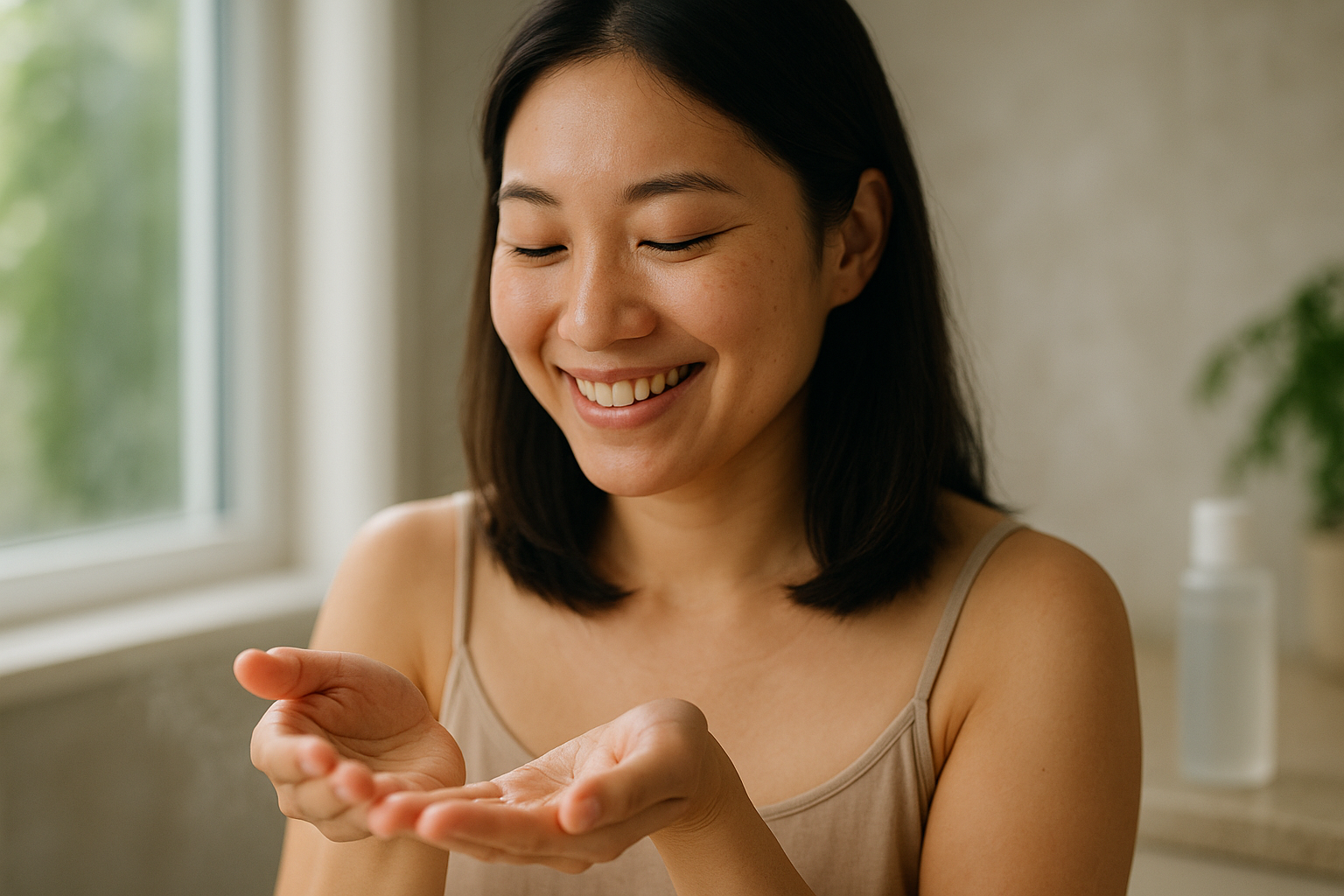
What stands out in J‑Beauty is how texture drives the experience: ‘lotions’ are often watery hydrators meant for layering rather than astringent toners, and essences are treated as a separate, hydrating ritual step. The DHC oil is feather-light and melts makeup without stripping; Hada Labo’s lotion soaks in quickly and invites follow-up layers; SK‑II’s essence feels silky rather than sticky. For many women in their 30s and 40s, this emphasis on hydration-first layering can refine texture and make serums work better — but the trade-off is patience: the method rewards routine and repetition rather than dramatic single-use effects.
Continue exploring · If you are refining your full ritual, continue with Best Japanese Cleansers for Clear Skin: Oil, Foam and Luxury Picks That Work in Your Routine
Compare three ritual-ready products from the luxury aisle
Head-to-head: how the key products compare and who should choose each
We discipline the narrative around three concrete luxury references—HADA LABO Premium Lotion, Shiseido Ultimune, and SK-II Essence. These are not background examples; they are the same formulas named again in the comparison table, so you are never reconciling one shortlist in the prose with a different roster later.
HADA LABO Premium Lotion is the row we emphasize when lines that read deeper by evening, or a preference for a richer, weightier feel lead the brief. In the table, that priority is labeled Easily irritated; editorially, Offers a clearly different angle from the other rows.
Shiseido Ultimune is the row we emphasize when lines that read deeper by evening, or a preference for a richer, weightier feel lead the brief. In the table, that priority is labeled Deeper lines; editorially, Offers a clearly different angle from the other rows.
SK-II Essence is the row we emphasize when dullness, uneven daylight tone, or makeup that never quite sits evenly lead the brief. In the table, that priority is labeled Dull uneven tone; editorially, Leans into luminous, texture-forward storytelling.
How to choose: which Japanese formula fits your age, concerns and schedule
We discipline the narrative around three concrete luxury references—HADA LABO Premium Lotion, Shiseido Ultimune, and SK-II Essence. These are not background examples; they are the same formulas named again in the comparison table, so you are never reconciling one shortlist in the prose with a different roster later.
HADA LABO Premium Lotion is the row we emphasize when lines that read deeper by evening, or a preference for a richer, weightier feel lead the brief. In the table, that priority is labeled Easily irritated; editorially, Offers a clearly different angle from the other rows.
Shiseido Ultimune is the row we emphasize when lines that read deeper by evening, or a preference for a richer, weightier feel lead the brief. In the table, that priority is labeled Deeper lines; editorially, Offers a clearly different angle from the other rows.
SK-II Essence is the row we emphasize when dullness, uneven daylight tone, or makeup that never quite sits evenly lead the brief. In the table, that priority is labeled Dull uneven tone; editorially, Leans into luminous, texture-forward storytelling.
Week-by-week observations — what changed and what didn’t
Week 1: immediate differences were sensory — less post-cleanse tightness after DHC plus a softer after-feel from Hada Labo. Week 2–3: skin texture felt smoother and surface hydration seemed improved; layers sank in more predictably and my treatment serums felt less ‘pilling.’ Week 4: cumulative refinements were more noticeable in how my skin caught light and in overall suppleness rather than dramatic overnight fixes. Throughout, sunscreen remained essential and unchanged. These are observational notes rather than guaranteed outcomes — results vary with skin type, sleep, diet and product combinations.
Practical tips for switching without skin shock
Introduce one new product at a time, leaving a week between swaps so you can spot reactions. Keep your actives steady — if you use retinoids or acids, maintain them at the same frequency and simply layer the Japanese lotion/essence beneath to reduce irritation risk. If a product feels too fragrant or heavy, stop using it; Japanese brands vary from ultra-minimal to floral-scented. Travel-size or sample options are helpful for testing. Finally, be realistic: the Japanese approach emphasises ritual and gentle hydration, so expect gradual refinement rather than immediate, dramatic shifts.
The table below highlights who each formula is really for
Recommended Options Comparison
Each row is meant to read differently—if two lines sound identical, look at Texture and Ideal Concern first. Not medical advice; patch-test when unsure.
| Product | Best for | Texture | Ideal Concern | Why It Stands Out | Shop |
|---|---|---|---|---|---|
| HADA LABO Premium Lotion | Easily irritated | Refined, prestige-market feel | Tightness, dehydration, comfort | Offers a clearly different angle from the other rows—compare finish, intent, and where it sits in a ritual. | View on Amazon |
| Shiseido Ultimune | Deeper lines | Light / layerable | Clarifying which luxury lane fits your routine | Offers a clearly different angle from the other rows—compare finish, intent, and where it sits in a ritual. | View on Amazon |
| SK-II Essence | Dull uneven tone | Light / layerable | Clarifying which luxury lane fits your routine | Leans into luminous, texture-forward storytelling—often chosen when glow reads as the priority. | View on Amazon |
Editor notes on each pick
Short, decision-oriented context before you click through—still editorial, not a guarantee of results.
Worth a closer look if cleansing leaves you tight and drawn, or crow’s-feet look carved in until midday.
Especially relevant if fine lines look more obvious when skin is dry, tired, or you have been in dry air all day.
A good fit if your skin feels tight and looks flat by afternoon, especially when sleep has been uneven.
Continue exploring · If you want a second lens before you decide, see Japanese Skincare Routine for Aging Skin: A Step-by-Step Guide for Women in Their 30s–50s
How to Choose Among These Picks
A concise map—not a prescription. Use it alongside the comparison table and your own preferences.
- If your skin stings after cleansing, turns red easily, or feels hot when you add a new serum → consider HADA LABO Premium Lotion. Worth a closer look if cleansing leaves you tight and drawn, or crow’s-feet look carved in until midday.
- If your complexion looks dull and uneven—rough patches, shadowy zones, or tired color under natural light → consider SK-II Essence. A good fit if your skin feels tight and looks flat by afternoon, especially when sleep has been uneven.
- If lines look deeper at the end of the day, or creases stay etched after you stop smiling → consider Shiseido Ultimune. Especially relevant if fine lines look more obvious when skin is dry, tired, or you have been in dry air all day.
Match by skin situation
Three reader profiles—not rigid rules. Use them to narrow the field, then cross-check with the table above.
- If your skin stings after cleansing, turns red easily, or feels hot when you add a new serum, start your shortlist with HADA LABO Premium Lotion.
- If your complexion looks dull and uneven—rough patches, shadowy zones, or tired color under natural light, start your shortlist with SK-II Essence.
- If lines look deeper at the end of the day, or creases stay etched after you stop smiling, start your shortlist with Shiseido Ultimune.
Recommended Product
HADA LABO Premium Lotion
Worth a closer look if cleansing leaves you tight and drawn, or crow’s-feet look carved in until midday.
We feature HADA LABO Premium Lotion as this article’s curated Amazon affiliate pick—a luxury-market reference that aligns with the editorial tone and routine ideas above. It gives readers a specific, high-quality option to explore when they are ready to shop. If you purchase through our links, we may earn a commission at no additional cost to you.
Final Thoughts
Curious which Japanese product to try first? Explore a curated selection, starting with a sample-size essence or a cleansing oil to see how the textures fit your routine.
There is no one perfect serum — only the one that fits your skin today.
Frequently Asked Questions
Is it worth switching to Japanese skincare from my current routine?
It can be worth it if you value texture, hydration-first layering and a more ritualised routine. Japanese products often prioritise gentle, hydrating formats and elegant textures; if those qualities appeal and fit your lifestyle, a swap can simplify and refine your regimen. If you rely on targeted actives for specific concerns, you can still integrate Japanese hydrating steps without abandoning treatment products.
How long until you notice a difference after switching to Japanese skincare?
Many people notice textural and hydration differences within one to three weeks, while more cumulative refinements—like improved surface smoothness—tend to appear after several weeks of consistent use. Individual timelines vary with skin type, previous routine and lifestyle factors.
Can a Japanese essence like SK‑II replace a serum in my routine?
An essence adds concentrated hydration and a refined texture, but it is not always a direct replacement for a treatment serum that targets specific concerns like pigmentation or deep lines. For many, the best approach is pairing an essence (for hydration and ritual) with a focused serum for targeted benefits.
Are Japanese skincare products suitable for sensitive skin?
Many Japanese lines emphasise gentle formulations and simple ingredient lists, making them friendly for sensitive skin — but sensitivities vary. Look for fragrance-free or low-fragrance options and introduce one product at a time. Products like Hada Labo’s lotion are often recommended for a gentle hydration base, while heavier perfumes or strong botanical blends may irritate some readers.